Watering Strategies for Modern Planting: Keep Your Plants Hydrated
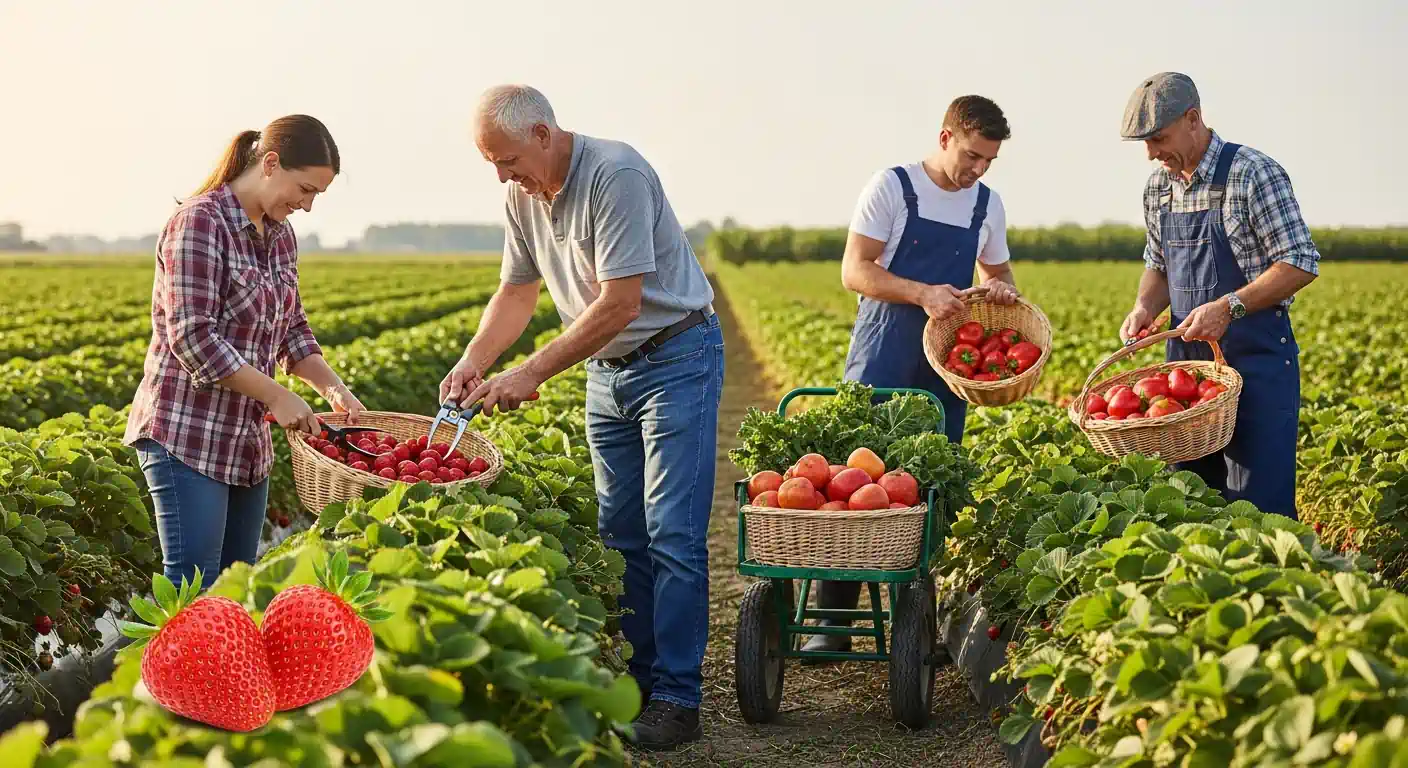
Watering Strategies for Modern Planting: Keep Your Plants Hydrated
In the dynamic world of modern gardening, especially with the rise of container planting, mastering effective watering strategies for modern planting is paramount to plant health and vitality. Gone are the days of haphazard watering; today's gardeners seek precision, efficiency, and sustainability. This guide delves into innovative techniques and smart approaches to ensure your plants receive optimal hydration, fostering robust growth and vibrant blooms. Whether you're a novice or an experienced green thumb, understanding these strategies will transform your approach to plant care, making your gardening efforts more rewarding and your plants happier.
Key Points:
- Assess Soil Moisture: Always check soil dryness before watering.
- Understand Plant Needs: Different plants have varying hydration requirements.
- Embrace Technology: Utilize smart sensors and self-watering systems.
- Optimize Drainage: Ensure containers have adequate drainage holes.
- Water Deeply & Infrequently: Encourage strong root development.
The Essentials of Effective Watering for Modern Plants
Proper watering is the cornerstone of successful plant cultivation, particularly when employing watering strategies for modern planting in containers. Unlike garden beds where roots can spread widely to seek moisture, container plants rely entirely on you for their water supply. This section explores fundamental principles that underpin all effective hydration practices.
Understanding Your Plant's Hydration Needs
Every plant species has unique water requirements, influenced by its origin, leaf structure, and growth stage. For instance, succulents thrive on infrequent, deep watering, mimicking desert conditions, while tropical plants demand consistent moisture. Observing your plants closely provides invaluable clues; wilting leaves often signal thirst, but yellowing leaves can indicate overwatering. From my years of experience in urban container gardening, I've learned that a plant's appearance is often the first and most reliable indicator of its hydration status.
Soil Moisture: The Key Indicator
Before reaching for the watering can, always assess the soil moisture. The "finger test" remains a classic and effective method: insert your finger about an inch or two into the soil. If it feels dry, it's likely time to water. For larger containers, a moisture meter offers a more precise reading, especially useful for beginners. Consistent soil moisture monitoring prevents both the stress of drought and the dangers of waterlogging. A study published in the Journal of Horticultural Science in 2024 highlighted that precise soil moisture management significantly reduces plant stress and optimizes nutrient uptake in containerized crops.
Advanced Watering Strategies for Optimal Plant Health
Moving beyond basic techniques, modern gardening offers several advanced watering strategies for modern planting that enhance efficiency, conserve water, and promote superior plant health. These methods are particularly beneficial for busy gardeners or those looking to scale their container gardens.
Embracing Smart Irrigation Systems
Technology has revolutionized plant care, and smart irrigation systems are at the forefront. These systems utilize soil moisture sensors and weather data to deliver water precisely when and where it's needed. Many modern systems integrate with smartphone apps, allowing you to monitor and adjust watering schedules remotely. Investing in a smart irrigation setup can drastically reduce water waste and ensure consistent plant hydration, especially for larger collections of container plants. For more information on this topic, readers can explore related articles on smart home gardening solutions.
The Power of Self-Watering Planters
Self-watering planters are a game-changer for maintaining consistent soil moisture. These innovative containers feature a reservoir at the bottom that wicks water up to the plant's roots as needed. This system prevents both overwatering and underwatering, making them ideal for plants that prefer consistently moist soil, such as many herbs and vegetables. Their efficiency and convenience make them a popular choice for urban balconies and busy households. I've personally found self-watering pots to be invaluable for keeping my patio tomatoes thriving during hot summer weeks.
Drip Irrigation and Soaker Hoses for Container Gardens
While often associated with larger garden beds, drip irrigation systems and soaker hoses can be adapted for container gardens. Drip emitters deliver water slowly and directly to the plant's root zone, minimizing evaporation and runoff. Soaker hoses, when snaked through a collection of pots, provide a gentle, consistent water supply. These methods are highly water-efficient and prevent foliage from getting wet, which can reduce the risk of fungal diseases. A report by the Global Water Initiative in 2023 indicated that localized irrigation methods like drip systems can save up to 50% more water compared to traditional overhead watering.
Common Watering Mistakes and How to Avoid Them
Even with the best intentions, gardeners can fall prey to common watering pitfalls. Understanding these mistakes is crucial for developing effective watering strategies for modern planting.
Overwatering vs. Underwatering: Finding the Balance
The most frequent watering mistakes are overwatering and underwatering. Overwatering suffocates roots by displacing oxygen in the soil, leading to root rot. Signs include yellowing leaves, stunted growth, and a foul smell from the soil. Underwatering, conversely, deprives roots of essential moisture, causing wilting, crispy leaves, and eventual plant death. The key is balance, achieved through consistent soil moisture checks and understanding your plant's specific needs. For deeper insights into soil composition, readers might find our articles on container soil mixes beneficial.
The Impact of Water Quality and Temperature
The quality and temperature of the water you use can also affect plant health. Highly chlorinated tap water can sometimes be detrimental, especially to sensitive plants. Allowing tap water to sit for 24 hours can help dissipate chlorine. Similarly, extremely cold water can shock plant roots, particularly in tropical varieties. Using room-temperature water is generally recommended for most container plants. Consider collecting rainwater, which is naturally soft and free of chemicals, as a sustainable and beneficial alternative.
Seasonal Adjustments and Plant-Specific Watering Tips
Effective watering strategies for modern planting are not static; they evolve with the seasons and adapt to the specific requirements of different plant types.
Adapting to Climate and Plant Type
Watering needs fluctuate significantly throughout the year. Plants generally require more water during hot, dry summer months due to increased evaporation and active growth. In contrast, during cooler, dormant winter periods, water requirements decrease dramatically. Adjusting your watering schedule seasonally is vital to prevent both dehydration and waterlogging. Factors like humidity, wind, and sunlight exposure also play a role.
Watering for Specific Plant Categories
- Succulents and Cacti: These plants store water in their leaves and stems. Water deeply but infrequently, allowing the soil to dry out completely between waterings.
- Tropical Plants: Many tropicals prefer consistently moist, but not soggy, soil. Ensure good drainage and consider increasing humidity around them. To learn more about specific plant care, explore our guides on tropical plant cultivation.
- Herbs and Vegetables: Most culinary herbs and vegetables are heavy feeders and drinkers. They require consistent moisture, especially during flowering and fruiting stages. Self-watering planters are often excellent for these.
- Flowering Annuals: These plants often have high water demands to support continuous blooming. Check soil daily during peak season.
FAQ Section
Q: How often should I water my container plants?
A: The frequency of watering depends on several factors, including plant type, container size, soil mix, and environmental conditions like temperature and humidity. A general rule is to check the top inch or two of soil; if it feels dry, it's time to water. Some plants prefer to dry out more, while others need consistent moisture. Always prioritize checking the soil over a strict schedule.
Q: What are the signs of overwatering or underwatering?
A: Overwatering often manifests as yellowing leaves, stunted growth, soft or mushy stems, and a general droopy appearance even when the soil is wet. Underwatering signs include wilting, crispy or browning leaves, and dry, hard soil. Observing these symptoms helps you adjust your watering strategies for modern planting effectively.
Q: Can I use tap water for all my plants?
A: Most plants tolerate tap water, but some sensitive species can react negatively to chlorine or high mineral content. If your tap water is heavily chlorinated, letting it sit in an open container for 24 hours can help dissipate the chlorine. For very sensitive plants, or if you notice issues, rainwater or filtered water can be a better alternative.
Q: Are self-watering pots truly effective?
A: Yes, self-watering pots are highly effective for many plants, especially those that prefer consistent moisture. They reduce the frequency of manual watering and help prevent both overwatering and underwatering by providing a steady supply of moisture to the roots via wicking. They are particularly beneficial for busy gardeners or when going away for short periods.
Conclusion: Cultivating Hydrated, Healthy Plants
Mastering watering strategies for modern planting is an art and a science that significantly impacts the success of your gardening endeavors. By understanding your plants' individual needs, regularly monitoring soil moisture, and embracing innovative techniques like smart irrigation and self-watering planters, you can ensure optimal hydration and foster thriving, resilient plants. Remember, consistent observation and adaptability are your greatest tools.
We encourage you to experiment with these strategies and discover what works best for your unique garden setup. Share your own watering tips and successes in the comments below – your insights could help fellow gardeners! For continued learning and inspiration, subscribe to our newsletter and explore our category on advanced container gardening techniques for more in-depth guides. Happy gardening!
Future Expansion Topics:
- Detailed guide on specific soil amendments for water retention.
- Review of the latest smart watering gadgets and apps for urban gardeners.
- Sustainable water harvesting techniques for container gardening.