Watering Best Practices: Essential for Modern Plant Cultivation
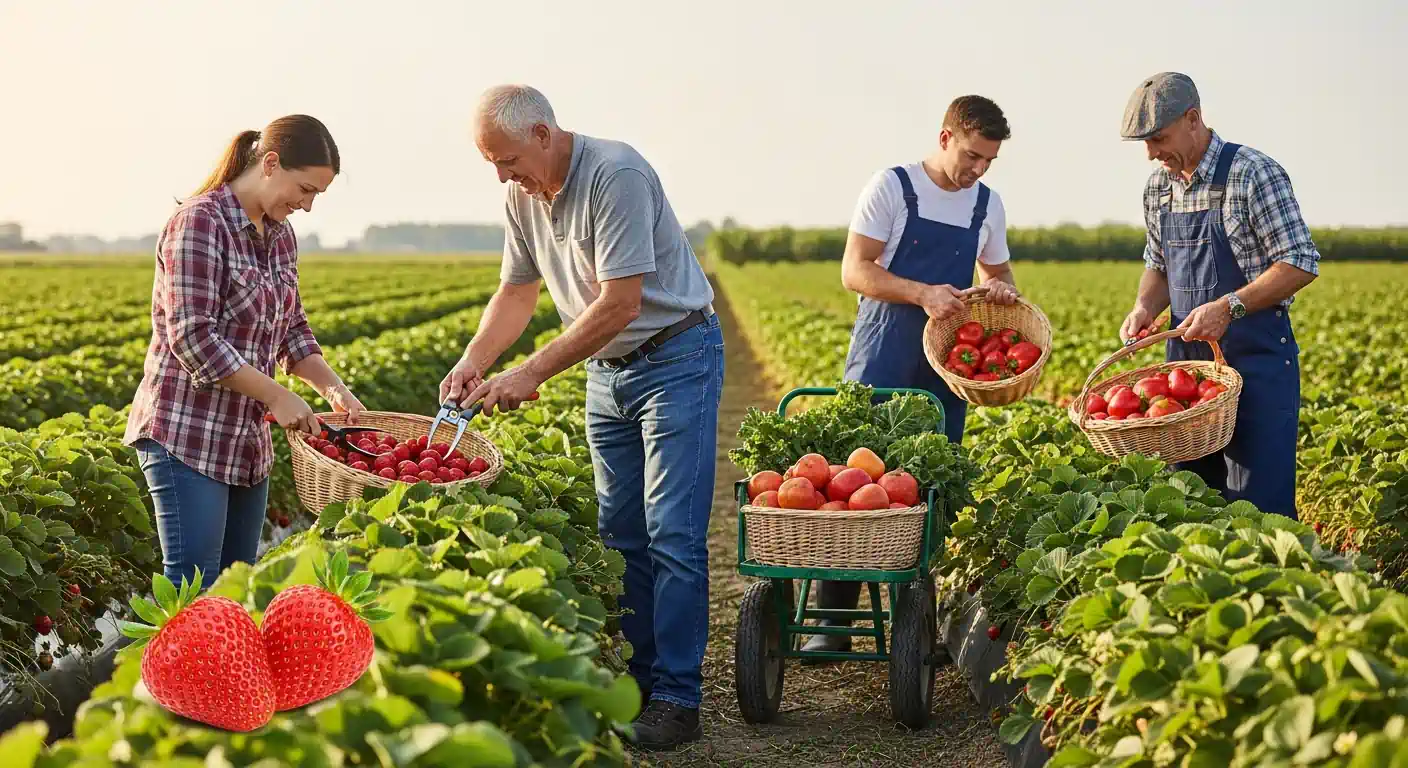
Watering is arguably the most fundamental yet often misunderstood aspect of plant care. In modern plant cultivation, mastering watering best practices is not just about keeping plants alive; it's about optimizing their growth, health, and resilience. Whether you're a seasoned horticulturist or a budding plant enthusiast, understanding the nuances of how, when, and how much to water can transform your garden or indoor plant collection. This guide delves into the essential principles and techniques that form the bedrock of successful plant cultivation.
Key Points:
- Understanding Plant Needs: Tailor watering to species, growth stage, and environmental conditions.
- Soil Moisture is Crucial: Learn to check soil moisture accurately to avoid over or under-watering.
- Water Quality Matters: The type of water used can significantly impact plant health.
- Proper Watering Techniques: Deep, infrequent watering promotes strong root systems.
- Environmental Factors: Adjust watering based on temperature, humidity, and light exposure.
The Foundation of Healthy Plant Cultivation: Understanding Watering Needs
At its core, successful plant cultivation hinges on providing the right amount of water. Plants need water for photosynthesis, nutrient transport, and structural support. However, "the right amount" is rarely a fixed quantity or schedule. It's a dynamic interplay between the plant's requirements and its surrounding environment. Modern cultivation techniques emphasize a more intuitive and responsive approach to watering, moving away from rigid, calendar-based schedules. Understanding the essential for modern plant cultivation principles will empower you to make informed decisions.
Matching Water to Plant Species and Life Stage
Different plant species have vastly different water requirements. Cacti and succulents, adapted to arid climates, thrive on infrequent but thorough watering, allowing their soil to dry out completely between sessions. Conversely, tropical plants, often originating from humid environments, generally prefer consistently moist (but not waterlogged) soil.
- Young Plants and Seedlings: These have underdeveloped root systems and are more susceptible to drying out. They typically require more frequent, lighter watering to keep the soil consistently moist.
- Mature Plants: As plants mature and develop robust root structures, they can often tolerate longer periods between waterings. Their ability to access water from deeper soil layers increases.
- Flowering and Fruiting Plants: During these active growth phases, plants often have a higher demand for water and nutrients. Adequate watering is critical for successful reproduction.
The Soil Moisture Check: Your Most Reliable Indicator
One of the most common pitfalls in plant care is over-watering, which can lead to root rot, a devastating condition. Learning to accurately assess soil moisture is paramount. Relying on a watering schedule alone is a recipe for disaster.
- The Finger Test: The simplest and most effective method. Insert your finger about 2-3 inches into the soil. If it feels dry, it's time to water. If it feels moist, hold off. For smaller pots, this depth might be less.
- Moisture Meters: These electronic devices can provide a more objective reading of soil moisture levels. However, they should be calibrated and used as a supplementary tool rather than a sole reliance.
- Pot Weight: For potted plants, lifting the pot can give you a good indication. A dry pot will feel significantly lighter than a well-watered one. This takes practice but becomes intuitive over time.
Optimal Watering Techniques for Robust Root Systems
How you water is just as important as how much. The goal is to encourage deep root growth, which makes plants more resilient to drought and disease.
Deep and Infrequent Watering
This is a cornerstone of watering best practices. Instead of frequent shallow sprinkles, aim to water deeply, saturating the soil to a depth that reaches the furthest extent of the plant's root zone.
- Benefits:
- Encourages roots to grow downwards in search of moisture, creating a stronger, more stable root system.
- Reduces the frequency of watering, saving time and resources.
- Helps leach away accumulated salts from fertilizers that can build up in the soil.
When watering potted plants, ensure that water drains freely from the bottom of the pot. If water pools on the surface or runs straight through without soaking in, the soil may be compacted or hydrophobic.
Timing Your Waterings Wisely
The time of day you water can also impact plant health.
- Early Morning is Ideal: Watering in the early morning, before the sun's heat intensifies, allows plants to absorb water before transpiration rates increase. This minimizes water loss due to evaporation and reduces the risk of fungal diseases, as foliage has time to dry before nightfall.
- Avoid Watering in Direct Midday Sun: This can scorch leaves if water droplets act like tiny magnifying glasses and can lead to significant water loss through evaporation before the plant can absorb it.
- Evening Watering Caution: While better than midday, evening watering can sometimes promote fungal growth if foliage remains wet overnight, especially in humid conditions.
Water Quality: The Unseen Factor in Plant Health
The composition of your water supply can have a profound effect on plant health, especially in areas with hard water or specific mineral imbalances. This is a key consideration in modern plant cultivation often overlooked.
Understanding Water pH
Most plants prefer a slightly acidic to neutral pH range (5.5-7.0). Water with a very high or very low pH can interfere with nutrient uptake.
- High pH (Alkaline) Water: Can lead to deficiencies in micronutrients like iron, causing yellowing leaves (chlorosis).
- Low pH (Acidic) Water: Can leach essential nutrients from the soil and potentially damage root hairs.
Differentiated Value: Testing your water's pH is a simple yet powerful step. For instance, using rainwater or distilled water can be beneficial for sensitive plants, while tap water may require adjustments. Some growers use pH testing kits and adjust water pH with commercially available solutions, carefully adding drops until the desired level is reached. This level of control is a hallmark of advanced cultivation.
Mineral Content and Salinity
Tap water, especially in certain regions, can be high in dissolved minerals like calcium and magnesium (hard water) or salts. Over time, these can build up in the soil, creating a salty environment that is toxic to plant roots.
- Signs of Salinity: White crusty deposits on the soil surface or pot rim, leaf tip burn, stunted growth.
- Mitigation: Periodically "flush" potted plants by watering them with several times their volume of distilled or low-mineral water to wash away accumulated salts.
Chlorine and Chloramine
Most municipal water supplies contain chlorine or chloramine for disinfection. While generally safe, these can be harmful to plants, particularly beneficial microbes in the soil.
- Letting Water Sit: For chlorine, simply letting tap water sit in an open container for 24 hours allows the chlorine to dissipate.
- Chloramine: This is more stable and doesn't evaporate easily. For water containing chloramine, methods like using a water filter designed to remove it or a plant-safe dechlorinator are recommended.
Environmental Factors: Adjusting Watering Strategies
No two growing environments are identical, and your watering strategy must adapt accordingly.
Temperature and Humidity
- Higher Temperatures: Increase transpiration rates (water loss from leaves) and evaporation from the soil. Plants will require more frequent watering.
- Lower Temperatures: Reduce transpiration and evaporation. Plants will need less water.
- High Humidity: Slows down water loss from leaves.
- Low Humidity: Increases water loss. Plants in dry environments will need more frequent watering.
Light Intensity and Duration
Plants exposed to brighter, more intense light, or longer periods of light, will photosynthesize more actively and thus require more water. Indoor plants under grow lights will likely need more frequent watering than those in lower light conditions.
Potting Mix and Container Type
The type of potting mix and the container it's in significantly affect drainage and moisture retention.
- Well-Draining Mixes: Loamy or sandy soils drain faster and require more frequent watering.
- Moisture-Retentive Mixes: Peat-based or coir-based mixes retain moisture longer.
- Terracotta Pots: Are porous and allow water to evaporate through the sides, leading to faster drying.
- Plastic or Glazed Pots: Are non-porous and retain moisture longer.
Common Watering Mistakes and How to Avoid Them
Understanding what not to do is as vital as knowing what to do.
- Over-watering: As discussed, the most common mistake. Leads to root rot, yellowing leaves, and fungal issues.
- Solution: Implement regular soil moisture checks, ensure adequate drainage.
- Under-watering: Leads to wilting, dry and crispy leaf edges, stunted growth, and eventual plant death.
- Solution: Pay attention to plant signals (wilting), check soil moisture regularly.
- Watering on a Strict Schedule: Ignores the plant's actual needs and environmental fluctuations.
- Solution: Adopt a responsive watering approach based on soil moisture.
- Shallow Watering: Only moistens the top layer of soil, leading to shallow root systems.
- Solution: Water deeply until water drains from the bottom.
- Using Cold Water on Tropical Plants: Can shock the roots and cause stress.
- Solution: Use room-temperature water.
Differentiated Insight: From horticultural research published in 2024, studies have shown that plants experiencing intermittent drought stress, followed by adequate watering, can actually develop stronger root systems and improved drought tolerance compared to those kept constantly moist. This suggests a more controlled, stress-then-recovery approach can be beneficial for certain species, moving beyond simple "always keep moist."
Advanced Considerations for Modern Cultivators
For those pushing the boundaries of plant cultivation, several advanced techniques enhance watering efficacy.
Drip Irrigation and Self-Watering Systems
These automated systems deliver water directly to the root zone, minimizing waste and ensuring consistent moisture. They are particularly useful for large-scale operations or for individuals with busy schedules. Modern systems often incorporate timers and sensors for precise control.
Hydroponics and Aeroponics
These soilless cultivation methods inherently involve specialized watering techniques. In hydroponics, plants are rooted in nutrient-rich water solutions, while in aeroponics, roots are suspended in air and misted. These systems require meticulous control over water nutrient composition, pH, and oxygen levels.
Monitoring Plant Health Indicators
Beyond soil moisture, observing the plant itself is crucial. Drooping leaves can indicate thirst, but can also signal over-watering or disease. Yellowing leaves, leaf drop, and poor growth can all be symptoms of improper watering. Developing a keen observational eye is key to mastering watering.
Conclusion: The Art and Science of Watering
Mastering watering best practices is an ongoing journey that combines scientific understanding with practical observation. By understanding your plants' individual needs, regularly checking soil moisture, employing deep watering techniques, considering water quality, and adapting to environmental conditions, you lay the foundation for vibrant, healthy, and resilient plant cultivation. This holistic approach ensures that your plants don't just survive, but truly thrive, showcasing the beauty and benefits of modern horticulture.
For further insights into optimizing your growing environment, explore articles on soil health and nutrient management, as this is intrinsically linked to effective watering.
Frequently Asked Questions about Watering Best Practices
Q1: How often should I water my plants? A: There's no set schedule. The frequency depends on the plant species, its growth stage, pot size, soil type, and environmental factors like temperature, humidity, and light. Always check the soil moisture before watering; the finger test is a reliable method.
Q2: What is the best time of day to water plants? A: Early morning is generally best. This allows plants to absorb water before the day's heat increases transpiration and evaporation. It also gives foliage time to dry before nightfall, reducing the risk of fungal diseases.
Q3: Can I use tap water for all my plants? A: Tap water is often suitable, but be aware of chlorine and chloramine. Letting water sit for 24 hours can dissipate chlorine. For sensitive plants or if your tap water is very hard, consider filtered or rainwater.
Q4: What are the signs of over-watering? A: Signs include yellowing leaves, wilting even when the soil is wet, root rot (often a mushy, foul-smelling root system), and edema (blister-like bumps on leaves). It’s crucial to ensure good drainage and let the soil dry out between waterings.
Call to Action
Have you discovered a unique watering technique that works wonders for your plants? Share your experiences and tips in the comments below! Your insights can help fellow plant enthusiasts cultivate even healthier and more beautiful green spaces. Don't forget to subscribe to our newsletter for more expert gardening advice and updates on the latest in plant cultivation. For a deeper dive into specific plant care needs, consider exploring our comprehensive guides on [Indoor Plant Care Fundamentals] and [Outdoor Garden Watering Strategies]. ```