Troubleshooting Modern Planting Issues: Solutions for Common Problems
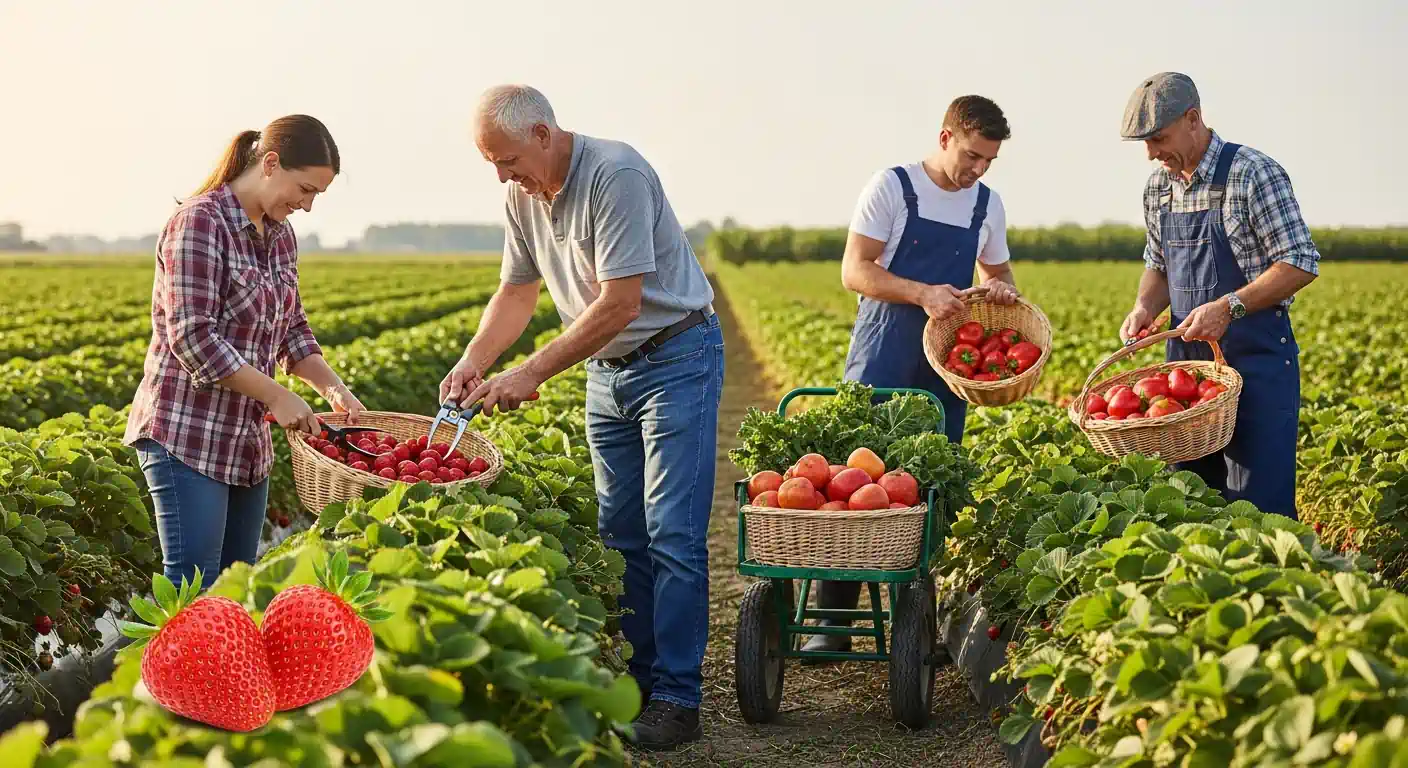
Troubleshooting Modern Planting Issues: Solutions for Common Problems
Modern planting, whether in vast agricultural fields or compact urban gardens, presents a unique set of challenges. From unpredictable climate patterns to evolving pest resistances and complex soil health dynamics, growers today face hurdles that demand innovative and adaptive solutions. This guide delves into effective strategies for troubleshooting modern planting issues, offering practical advice to cultivate healthier, more resilient crops. Understanding these common problems and implementing targeted solutions is crucial for sustainable and productive growth in any planting endeavor.
Key Points for Modern Planting Success:
- Prioritize Soil Health: Focus on nurturing the soil microbiome and optimizing nutrient delivery.
- Implement Integrated Pest Management (IPM): Adopt holistic strategies to manage pests and diseases sustainably.
- Adapt to Environmental Stressors: Develop techniques to mitigate the impact of climate change and environmental shocks.
- Embrace Sustainable Practices: Utilize crop rotation, cover cropping, and precision agriculture.
- Leverage Technology: Employ data-driven insights for smarter planting decisions and resource management.
Addressing Soil Health and Nutrient Deficiencies
The foundation of successful planting lies beneath the surface: the soil. In modern agriculture and horticulture, maintaining optimal soil health is increasingly complex due to intensive farming, chemical overuse, and climate shifts. Troubleshooting modern planting issues often begins with a thorough examination of the soil's physical, chemical, and biological properties.
Understanding Soil Microbiome Imbalances
The soil microbiome – a bustling community of bacteria, fungi, and other microorganisms – is vital for nutrient cycling, disease suppression, and overall plant vigor. Imbalances in this delicate ecosystem can lead to poor nutrient uptake, increased susceptibility to pathogens, and reduced crop yields. Our experience shows that conventional practices sometimes inadvertently harm beneficial microbes.
Solutions:
- Organic Matter Enrichment: Regularly incorporate compost, well-rotted manure, and other organic materials. This provides food for beneficial microbes and improves soil structure.
- Reduced Tillage: Minimizing soil disturbance helps preserve fungal networks and microbial habitats.
- Cover Cropping: Planting non-cash crops between main harvests protects soil, adds organic matter, and supports microbial diversity. For more information on this topic, readers can explore related articles on sustainable soil management.
Optimizing Nutrient Delivery for Plant Health
Even with healthy soil, plants can suffer from nutrient deficiencies if delivery mechanisms are inefficient or if specific micronutrients are lacking. Modern planting demands a precise approach to fertilization.
Solutions:
- Soil Testing: Regular, comprehensive soil tests are paramount. They provide a precise snapshot of nutrient levels and pH, guiding targeted fertilization. A 2024 report by the Global Horticultural Council emphasizes that data-driven nutrient management can reduce fertilizer use by up to 20% while increasing yields.
- Foliar Feeding: For rapid correction of micronutrient deficiencies, foliar sprays can deliver nutrients directly to leaves, bypassing soil uptake issues.
- Slow-Release Fertilizers & Bio-stimulants: These products provide a steady supply of nutrients over time and enhance natural plant processes, respectively. This is a key aspect of optimizing nutrient delivery for plant health.
Tackling Pests and Diseases in Contemporary Gardens
Pests and diseases are perennial challenges, but modern planting faces new complexities, including evolving resistance to traditional treatments and the emergence of new pathogens. Effective planting solutions require a proactive and integrated approach.
Integrated Pest Management (IPM) for Modern Planting
IPM is a holistic strategy that combines various methods to manage pests while minimizing environmental impact. It's crucial for troubleshooting modern planting issues related to pest pressure.
Solutions:
- Monitoring and Early Detection: Regularly inspect plants for signs of pests or diseases. Early intervention is often the most effective and least invasive.
- Biological Controls: Introduce beneficial insects (e.g., ladybugs for aphids) or microorganisms that prey on or outcompete pests.
- Cultural Practices: Implement crop rotation, select disease-resistant varieties, and maintain proper plant spacing to reduce pest habitats and disease spread.
- Targeted Pesticides (as a last resort): If chemical intervention is necessary, choose specific, low-impact pesticides applied precisely.
Managing Soilborne Diseases in Modern Agriculture
Soilborne diseases can devastate crops, often persisting in the soil for years. Preventative measures are key to effective management.
Solutions:
- Crop Rotation: Rotating crops breaks the life cycles of specific pathogens that thrive on certain plant families. Data published in the Journal of Sustainable Agriculture in late 2023 highlights the effectiveness of a 3-5 year rotation cycle in significantly reducing common soilborne fungal diseases.
- Solarization/Biofumigation: These techniques use solar heat or specific cover crops to naturally suppress soil pathogens.
- Resistant Varieties: Whenever possible, select plant varieties bred for resistance to common local soilborne diseases. This is a vital component of managing soilborne diseases in modern agriculture.
Overcoming Environmental Stressors and Climate Challenges
Climate change introduces unprecedented variability, making troubleshooting modern planting issues related to environmental stress a growing concern. Extreme weather events, temperature fluctuations, and water scarcity demand resilient strategies.
Preventing Transplant Shock and Environmental Adaptation
Transplant shock, a common issue, occurs when plants struggle to adapt to a new environment. Minimizing this stress is crucial for early establishment.
Solutions:
- Hardening Off: Gradually expose seedlings to outdoor conditions (sun, wind, cooler temperatures) over 7-14 days before transplanting.
- Proper Watering: Ensure plants are well-watered before and immediately after transplanting. Avoid waterlogging.
- Root Protection: Handle seedlings gently to minimize root disturbance. Consider using root-friendly products like mycorrhizal fungi inoculants. These practices are essential for preventing transplant shock.
Water Management and Irrigation Innovations
Water scarcity and inefficient irrigation are significant common gardening problems. Modern solutions focus on conservation and precision.
Solutions:
- Drip Irrigation/Soaker Hoses: These systems deliver water directly to the root zone, minimizing evaporation and runoff.
- Rainwater Harvesting: Collecting and storing rainwater provides a sustainable water source, reducing reliance on municipal supplies.
- Moisture Sensors: Smart sensors can monitor soil moisture levels and trigger irrigation only when needed, optimizing water use. The latest findings from the Agri-Tech Innovations Summit 2025 suggest that smart irrigation systems can reduce agricultural water consumption by up to 30%.
Embracing Sustainable Planting Practices
Sustainability is not just a buzzword; it's a necessity for the future of planting. Adopting sustainable planting practices addresses many modern challenges proactively.
The Role of Crop Rotation and Cover Cropping
These traditional yet highly effective methods are cornerstones of sustainable agriculture.
Solutions:
- Strategic Crop Rotation: Plan rotations that include different plant families, legumes (for nitrogen fixation), and heavy feeders to balance soil nutrients and disrupt pest cycles.
- Benefits of Cover Crops: Beyond soil protection and organic matter, specific cover crops can suppress weeds, improve drainage, and even deter certain pests. For deeper insights into advanced crop rotation strategies, refer to our article on regenerative agriculture techniques.
Leveraging Technology for Precision Planting
Technological advancements are revolutionizing how we approach planting, offering unprecedented precision and efficiency.
Solutions:
- GPS-Guided Equipment: For large-scale operations, GPS-enabled planters ensure optimal spacing and seed depth, reducing waste and