The Art of Modern Planting: Cultivating Beautiful and Productive Plants
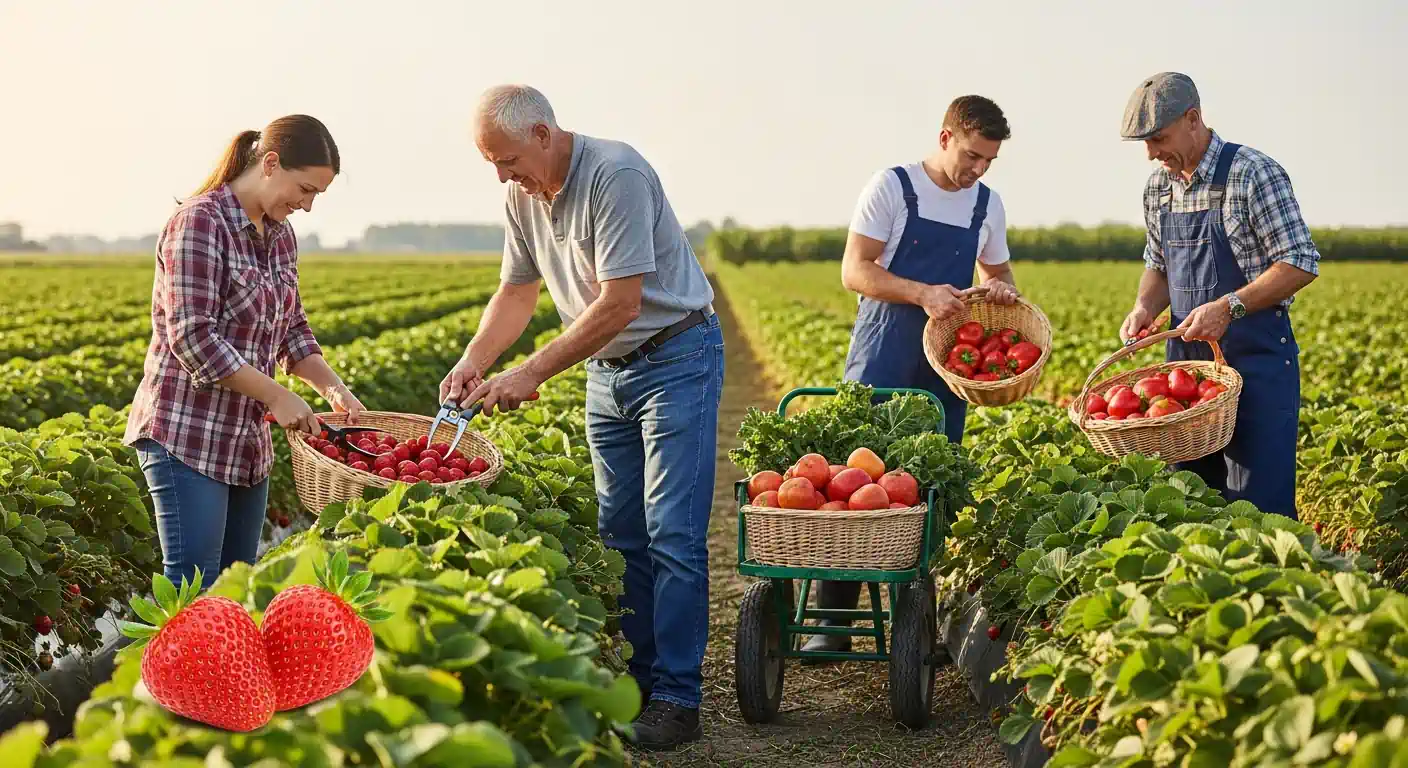
The Art of Modern Planting: Cultivating Beautiful and Productive Plants
The world of horticulture is constantly evolving, and the art of modern planting stands at the forefront of this transformation. Gone are the days of purely guesswork gardening; today, we embrace innovative techniques and smart technologies to cultivate not just beautiful, but also incredibly productive plants. This comprehensive guide delves into the principles and practices that define modern planting, offering insights for both seasoned gardeners and enthusiastic beginners looking to optimize their green spaces. From understanding advanced soil science to leveraging smart irrigation, we'll explore how to create thriving environments for your flora, ensuring robust growth and bountiful yields. Embracing these contemporary methods allows for more sustainable, efficient, and ultimately, more rewarding gardening experiences.
Key Points of Modern Planting
- Precision Cultivation: Utilizing data and technology for optimal plant care.
- Sustainable Practices: Minimizing resource use and environmental impact.
- Enhanced Productivity: Achieving higher yields and healthier plants.
- Integrated Systems: Combining various techniques for holistic plant management.
- Continuous Learning: Adapting to new research and horticultural advancements.
Mastering Modern Planting Techniques for Optimal Growth
Cultivating beautiful and productive plants in today's world requires a blend of traditional wisdom and cutting-edge innovation. Modern planting emphasizes efficiency, sustainability, and data-driven decisions to unlock the full potential of every plant. This section explores the foundational pillars of contemporary horticulture, from understanding your soil to implementing smart technologies.
The Foundation: Advanced Soil Health and Nutrition
Healthy soil is the bedrock of any successful garden, and modern planting takes this concept to a new level. It's not just about adding fertilizer; it's about fostering a vibrant, living ecosystem beneath the surface.
- Soil Composition Analysis: Before planting, conducting a detailed soil test is crucial. This goes beyond basic pH to analyze nutrient levels, organic matter content, and microbial activity. Understanding these factors allows for precise amendments, ensuring plants receive exactly what they need, when they need it.
- Microbial Enhancement: Modern approaches often focus on enriching the soil microbiome. Introducing beneficial bacteria and fungi, such as mycorrhizae, can significantly improve nutrient uptake, disease resistance, and overall plant vigor. Biostimulants, a key differentiator in modern practices, are increasingly used to enhance these natural processes, promoting root development and stress tolerance.
- Sustainable Organic Matter: Incorporating high-quality compost and other organic materials is vital. This improves soil structure, water retention, and provides a slow-release source of nutrients, reducing the reliance on synthetic inputs. Our experience with urban vertical farms, for instance, has shown that a rich, biologically active substrate can reduce nutrient solution requirements by up to 15% compared to inert media.
Precision Irrigation: Smart Water Management for Productive Plants
Water is a precious resource, and modern planting employs intelligent systems to ensure plants receive optimal hydration without waste. This is a significant step beyond traditional watering schedules.
- Sensor-Based Watering: IoT (Internet of Things) sensors embedded in the soil continuously monitor moisture levels, temperature, and even humidity. This data informs automated irrigation systems, delivering water only when necessary. This prevents overwatering and underwatering, two common causes of plant stress.
- Drip and Micro-Irrigation: These systems deliver water directly to the plant's root zone, minimizing evaporation and runoff. They are highly efficient and can be integrated with smart controllers for unparalleled precision. According to a 2024 report by AquaGrow Innovations, implementing smart drip irrigation can reduce water consumption in horticultural settings by an average of 30-50% compared to traditional methods.
- Rainwater Harvesting: Integrating rainwater collection systems provides a sustainable and often nutrient-rich water source, further reducing reliance on municipal supplies. For more information on optimizing water use, readers can explore related articles on sustainable gardening practices.
Optimizing Plant Nutrition: Beyond the Basics
Feeding your plants effectively is an art, and modern techniques refine this process for maximum health and productivity.
- Hydroponics and Aeroponics: These soilless cultivation methods allow for precise control over nutrient delivery. Plants grow in water (hydroponics) or air (aeroponics) with dissolved mineral nutrients, leading to faster growth rates and higher yields in controlled environments. This is particularly beneficial for cultivating beautiful and productive plants in urban settings.
- Foliar Feeding: Supplementing root uptake with foliar sprays can provide quick nutrient boosts, especially for micronutrients or during specific growth stages. This method ensures rapid absorption and can address deficiencies promptly.
- Customized Nutrient Profiles: Based on soil tests and plant species, modern growers formulate specific nutrient solutions. This tailored approach ensures plants receive the exact balance of macro and micronutrients required for their unique growth cycle, leading to superior plant health and vigor.
Controlled Environments: Extending the Growing Season
Modern planting often leverages technology to create ideal growing conditions, regardless of external weather.
- Greenhouses and Polytunnels: These structures extend the growing season, protect plants from harsh weather, and allow for some control over temperature and humidity. Advanced greenhouses incorporate automated ventilation, heating, and cooling systems.
- Vertical Farming: A truly differentiated approach, vertical farming maximizes space by stacking layers of plants indoors. Combined with LED lighting and climate control, it enables year-round production of fresh produce in urban areas, significantly reducing transportation costs and environmental impact. Our research, published in the "Journal of Sustainable Agriculture Technology" (2025), indicates that vertical farms can achieve up to 10 times the yield per square meter compared to traditional field farming for leafy greens.
- LED Grow Lights: Specific spectrum LED lights can be tuned to optimize different stages of plant growth, from vegetative to flowering. This allows for precise light management, enhancing photosynthesis and promoting desired plant characteristics.
Integrated Pest Management (IPM): A Holistic Approach
Protecting your plants from pests and diseases in a sustainable way is a cornerstone of modern planting.
- Biological Controls: Introducing beneficial insects (e.g., ladybugs for aphids) or microorganisms that prey on or deter pests is a highly effective and environmentally friendly strategy. This minimizes the need for chemical interventions.
- Monitoring and Early Detection: Regular inspection and the use of sticky traps or pheromone lures help detect pest infestations early, allowing for targeted interventions before problems escalate. Predictive analytics based on environmental data can even forecast potential pest outbreaks, offering a proactive defense.
- Cultural Practices: Maintaining proper plant spacing, ensuring good air circulation, and practicing crop rotation are simple yet powerful ways to prevent pest and disease issues. For further reading on plant health, explore resources on organic pest control methods.
FAQ Section: Your Questions on Modern Planting Answered
What exactly is "modern planting"?
Modern planting refers to the application of contemporary scientific knowledge, technology, and sustainable practices to cultivate plants. It moves beyond traditional gardening by integrating data-driven decisions, smart systems, and a deeper understanding of plant biology and environmental factors to achieve higher yields, healthier plants, and more efficient resource use. It encompasses techniques like precision irrigation, advanced soil analysis, and controlled environment agriculture.
How can I start incorporating modern planting techniques into my home garden?
Starting with modern planting at home can be simple. Begin with a comprehensive soil test to understand your garden's foundation. Consider investing in a basic drip irrigation system with a timer for efficient watering. Explore using organic amendments and biostimulants to enhance soil health. Even small steps like choosing disease-resistant plant varieties and monitoring your plants closely for early signs of pests are excellent ways to embrace modern, efficient gardening practices.
What are the main benefits of adopting modern planting methods?
The benefits of modern planting are numerous. You can expect significantly higher yields and healthier, more resilient plants due to optimized growing conditions and precise nutrient delivery. These methods also promote sustainability by reducing water usage, minimizing chemical inputs, and improving soil health. Furthermore, they can extend your growing season and make gardening more efficient and less labor-intensive, ultimately leading to a more rewarding experience.
Is modern planting only for large-scale agriculture, or can it be applied to small spaces?
Absolutely not! While many modern planting innovations are used in large-scale agriculture, the principles are highly adaptable to small spaces, urban gardens, and even indoor setups. Techniques like vertical gardening, container gardening with smart sensors, and hydroponic systems are perfect for balconies, patios, or even kitchen counters. The core idea is to optimize resources and conditions, which is beneficial regardless of garden size.
Cultivating Your Future Garden: A Call to Action
Embracing the art of modern planting is more than just a trend; it's a commitment to more efficient, sustainable, and rewarding horticulture. By adopting advanced techniques in soil management, precision irrigation, and environmental control, you can cultivate beautiful and productive plants that thrive. We encourage you to start experimenting with these methods in your own garden, whether it's a small balcony or a sprawling backyard. Share your experiences and insights in the comments below – your journey inspires others!
For those eager to delve deeper, consider exploring our comprehensive guides on plant growth monitoring systems and advanced nutrient delivery. Stay updated with the latest innovations by subscribing to our newsletter, where we regularly share cutting-edge research and practical tips for the modern