Sustainable Modern Planting: Eco-Friendly Techniques for Your Garden
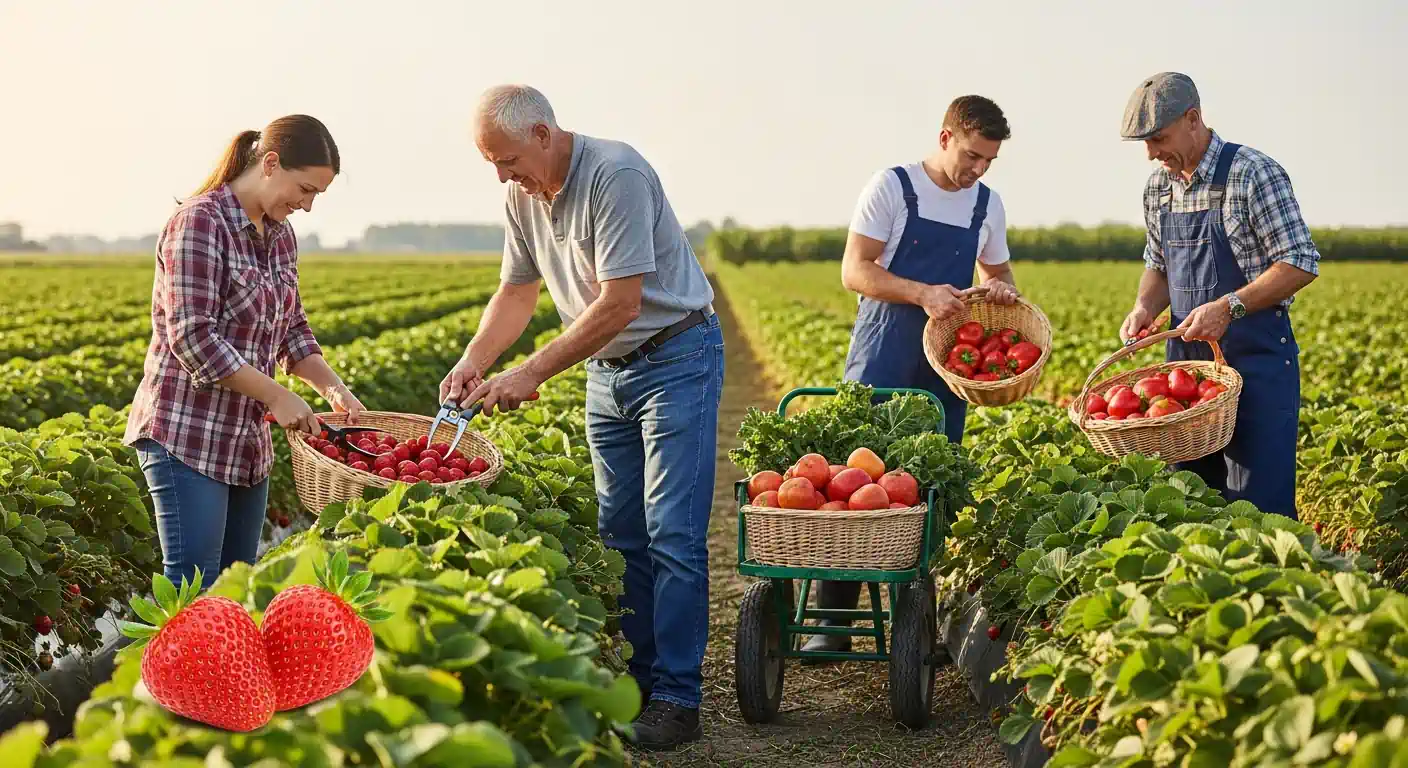
In an era where environmental consciousness is paramount, sustainable modern planting offers a powerful way to connect with nature while minimizing our ecological footprint. This approach goes beyond traditional gardening, integrating eco-friendly techniques that foster biodiversity, conserve resources, and promote long-term garden health. It's about creating a thriving green space that benefits both you and the planet.
Embracing sustainable practices means cultivating a garden that is resilient, productive, and beautiful without relying on harmful chemicals or excessive resource consumption. From water-wise irrigation to nurturing soil life, every choice contributes to a healthier ecosystem. This guide will explore practical, eco-friendly techniques for your garden, empowering you to cultivate a truly sustainable sanctuary.
Key Points for Sustainable Modern Planting:
- Water Efficiency: Implement smart irrigation and rainwater harvesting.
- Soil Health: Prioritize organic matter, composting, and no-dig methods.
- Biodiversity: Attract beneficial insects and plant native species.
- Waste Reduction: Repurpose materials and minimize garden waste.
- Innovative Methods: Explore hydroponics and vertical gardening for efficiency.
Embracing Eco-Friendly Techniques for Sustainable Gardens
The shift towards sustainable modern planting is more than a trend; it's a necessary evolution in how we interact with our environment. Traditional gardening often relied on synthetic fertilizers and pesticides, which can deplete soil health and harm local ecosystems. Modern eco-friendly techniques, however, focus on working with nature, not against it. This holistic approach ensures your garden thrives while supporting the planet.
Adopting these methods means creating a garden that is self-sustaining and resilient. It involves understanding the intricate relationships between plants, soil, water, and local wildlife. By integrating these principles, gardeners can cultivate vibrant spaces that are both productive and environmentally responsible, making a tangible difference right in their backyard.
Water-Wise Strategies in Sustainable Modern Planting
Water is a precious resource, and water conservation is a cornerstone of sustainable modern planting. Implementing efficient irrigation systems can drastically reduce water usage without compromising plant health. Drip irrigation, for instance, delivers water directly to the plant roots, minimizing evaporation and runoff. This targeted approach ensures every drop counts.
Rainwater harvesting is another excellent eco-friendly technique. Collecting rainwater in barrels or cisterns provides a free, chlorine-free water source for your garden. Furthermore, applying a thick layer of organic mulch around plants helps retain soil moisture, suppresses weeds, and regulates soil temperature. These simple yet effective strategies contribute significantly to a water-efficient garden.
Nurturing Soil Health for Thriving Eco-Friendly Gardens
Healthy soil is the foundation of any successful garden, especially in sustainable modern planting. Rather than viewing soil as just a medium for roots, consider it a living ecosystem teeming with beneficial microorganisms. Enriching your soil with organic matter through composting and vermicomposting is crucial. These practices introduce vital nutrients and improve soil structure, enhancing drainage and water retention.
No-dig gardening is an increasingly popular eco-friendly technique that minimizes soil disturbance, preserving its delicate structure and microbial life. Planting cover crops during off-seasons also protects the soil from erosion, adds organic matter, and can suppress weeds. Focusing on organic matter and biological activity ensures a fertile, resilient foundation for your plants. A 2024 study published in the Journal of Agroecology and Sustainable Food Systems highlighted that gardens utilizing consistent organic composting showed a 30% increase in soil microbial diversity compared to conventionally managed plots.
Biodiversity and Pest Management in Sustainable Planting
A diverse garden is a resilient garden, and promoting biodiversity is key to sustainable modern planting. Instead of relying on chemical pesticides, eco-friendly techniques encourage natural pest control through companion planting and attracting beneficial insects. Plants like marigolds can deter nematodes, while dill and cilantro attract ladybugs and lacewings, natural predators of common garden pests.
Planting native species is another powerful way to support local ecosystems. These plants are naturally adapted to your climate and soil conditions, requiring less water and maintenance. They also provide essential food and habitat for local wildlife, from pollinators to birds. Implementing Integrated Pest Management (IPM) strategies, which prioritize prevention and non-toxic solutions, ensures your garden remains vibrant and healthy without harming the environment.
Innovative Approaches: Hydroponics and Vertical Gardening
For those with limited space or a desire for cutting-edge eco-friendly techniques, hydroponic growing methods and vertical gardening offer exciting possibilities. Hydroponics, the practice of growing plants without soil, uses nutrient-rich water solutions. This method can significantly reduce water consumption—up to 90% less than traditional farming—and allows for faster growth rates. Readers interested in specific hydroponic techniques can find more detailed guides within our dedicated category.
Vertical gardening maximizes growing space by cultivating plants upwards, making it ideal for urban environments or small balconies. These systems can be integrated with hydroponics or traditional soil-based methods. Both approaches demonstrate how sustainable modern planting can adapt to various settings, providing fresh produce with a minimal environmental footprint. Research from the Environmental Protection Agency (EPA) in 2023 indicated that urban hydroponic farms could reduce food miles by up to 75%, significantly lowering carbon emissions associated with food transport.
Reducing Waste and Resource Use in Modern Eco-Gardening
Minimizing waste is an integral part of sustainable modern planting. This involves a circular approach to garden resources, where nothing goes to waste. Upcycling old materials, such as tires or plastic bottles, into planters or garden decor reduces landfill waste and adds unique character to your space. Repurposing kitchen scraps into compost is another excellent example of closing the loop.
Seed saving from your most successful plants not only saves money but also helps adapt plants to your specific garden conditions over time. Creating your own organic fertilizers from kitchen waste or garden trimmings further reduces reliance on store-bought products. These eco-conscious gardening practices embody the spirit of sustainability, turning potential waste into valuable resources.
FAQ Section
What are the biggest benefits of sustainable planting?
Sustainable planting offers numerous benefits, including significant water conservation, improved soil health, and enhanced biodiversity. It reduces reliance on harmful chemicals, leading to safer produce and a healthier environment for pollinators and wildlife. Additionally, these practices often result in more resilient plants and a garden that requires less intensive maintenance over time, fostering a deeper connection with nature.
Can I implement eco-friendly techniques in a small garden or balcony?
Absolutely! Many eco-friendly techniques are perfectly suited for small spaces. Vertical gardening systems maximize limited areas, while container gardening allows for precise water and nutrient management. Composting can be done in small bins, and companion planting principles apply universally. Even a small balcony can become a thriving, sustainable oasis with thoughtful planning and the right techniques.
How do hydroponic systems contribute to sustainable gardening?
Hydroponic systems are highly sustainable due to their exceptional water efficiency, using up to 90% less water than traditional soil-based methods. They eliminate the need for pesticides and herbicides as plants are grown in controlled environments, reducing chemical runoff. Furthermore, hydroponics allows for year-round growing in any climate, often with faster growth rates, minimizing land use and transportation costs.
What's the first step to transitioning to a sustainable garden?
The best first step is to start small and observe your current garden. Identify areas where you can easily implement one or two eco-friendly techniques, such as starting a small compost pile or installing a rain barrel. Gradually introduce more practices like mulching, planting native species, or exploring basic hydroponic growing methods. Education and consistent effort are key to a successful transition.
Cultivating Your Eco-Friendly Garden: A Sustainable Future
Embracing sustainable modern planting is a journey that enriches both your garden and the wider environment. By adopting eco-friendly techniques like water conservation, soil enrichment, and biodiversity promotion, you're not just growing plants; you're cultivating a healthier planet. Every small step, from composting kitchen scraps to choosing native plants, contributes to a more resilient and vibrant ecosystem.
We encourage you to begin your sustainable gardening adventure today. Share your experiences and tips in the comments below, or connect with fellow gardeners on social media. For more information on this topic, readers can explore related articles on urban farming solutions or DIY composting methods within our site. Let's grow a greener future together, one sustainable garden at a time.
This article was last updated on February 1, 2026. Information on sustainable gardening practices is continually evolving, and we recommend checking for the latest research and local guidelines regularly.
Expandable Related Subtopics for Future Updates:
- Advanced Permaculture Design Principles for Home Gardens
- Integrating Smart Garden Technology for Enhanced Sustainability
- Community Gardening Initiatives and Their Environmental Impact