Successful Container Gardening: Choosing the Best Plants and Techniques for Limited Spaces
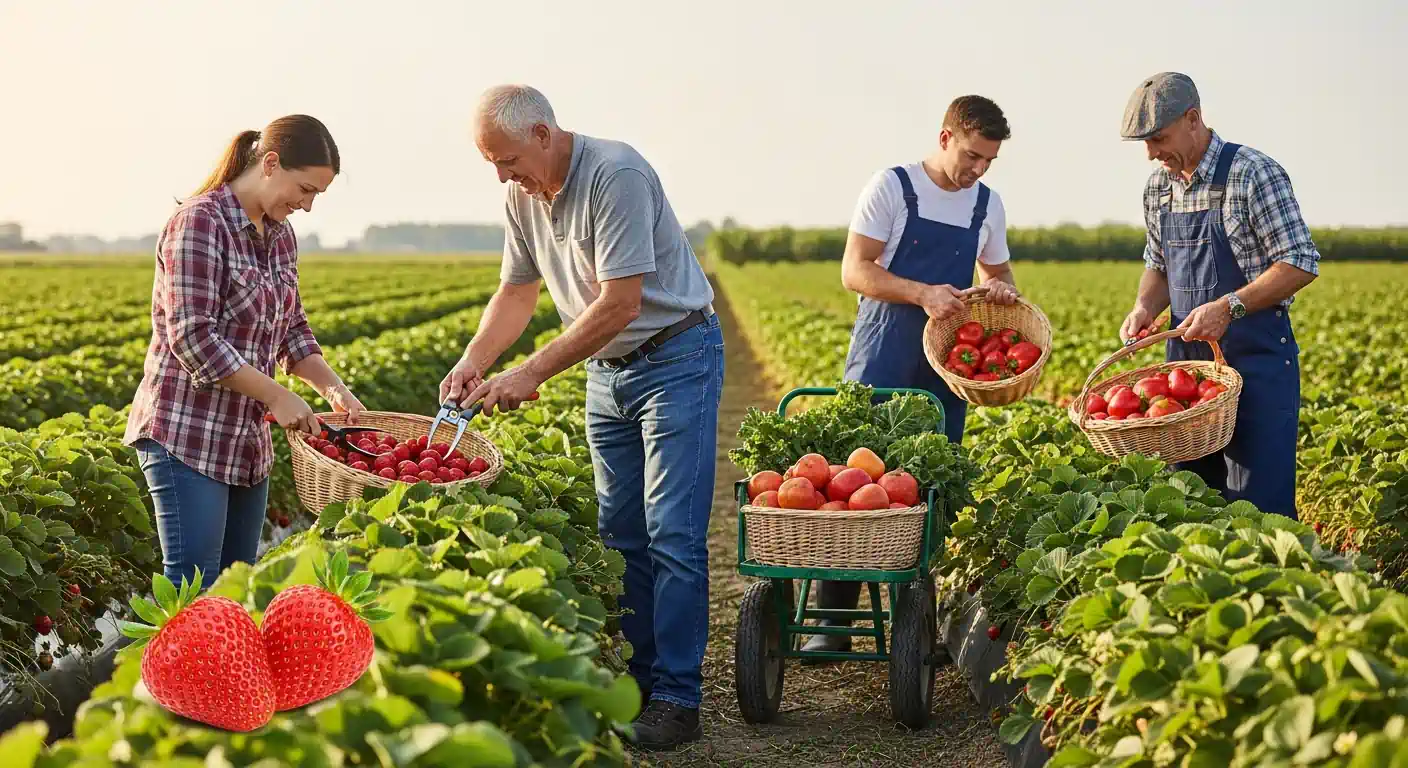
Container gardening offers a rewarding solution for cultivating vibrant greens, even when space is a premium. Whether you have a tiny balcony, a compact patio, or just a sunny windowsill, mastering successful container gardening opens up a world of possibilities for growing your own food, herbs, and beautiful flowers. This guide delves into selecting the best plants for containers and outlines essential container gardening techniques that ensure thriving growth in limited spaces. From understanding soil needs to effective watering and advanced care, we'll equip you with the knowledge to create your flourishing miniature Eden.
Key Points for Successful Container Gardening:
- Smart Plant Selection: Choose varieties suited for pots and your local climate.
- Optimal Containers: Match pot size and material to plant needs for proper growth.
- Quality Potting Mix: Use well-draining, nutrient-rich soil designed for containers.
- Consistent Care: Master watering, fertilizing, and pest management tailored for pots.
- Space Maximization: Explore vertical and self-watering solutions for efficient use.
Why Embrace Successful Container Gardening?
Container gardening is not just a trend; it's a practical and incredibly rewarding way to connect with nature, even amidst urban hustle. The beauty of gardening in limited spaces lies in its flexibility and accessibility. You don't need a large yard to enjoy fresh produce or vibrant blooms. Instead, you can cultivate a diverse garden right outside your door, enjoying the satisfaction of growing your own. This method allows for precise control over growing conditions, from soil composition to sunlight exposure, making successful container gardening achievable for everyone.
The Versatility of Gardening in Limited Spaces
The adaptability of container gardening makes it ideal for a myriad of environments. Plants can be moved to optimize sunlight, protect from harsh weather, or even redesigned to refresh your aesthetic. This portability is a huge advantage for renters or those with evolving space needs. Furthermore, it significantly reduces weeding chores and can make gardening more accessible for individuals with mobility challenges. Embracing containers means embracing a dynamic and personalized approach to horticulture, transforming any small area into a productive green haven.
Key Considerations Before You Begin
Before diving in, consider your available sunlight. Most plants require at least 6 hours of direct sun daily. Also, assess your water source; consistency is crucial for container plants. Understanding your space's microclimate will greatly influence your plant choices and ultimately lead to a more successful outcome. Consider the weight of your filled containers, especially for balconies, and ensure proper drainage is always possible.
Choosing the Best Plants for Containers
Selecting the right plants is paramount for successful container gardening. Not all plants are suited for life in a pot; some become root-bound quickly, while others simply grow too large. Focus on compact varieties, dwarf cultivars, or plants that naturally have a limited growth habit. This strategic selection will prevent overcrowding and minimize the stress on your plants, allowing them to thrive beautifully.
Top Edibles for Your Container Garden
Growing your own food in containers is incredibly gratifying. Many vegetables and herbs adapt wonderfully to pots:
- Leafy Greens: Lettuce, spinach, Swiss chard, and arugula are fast-growing and can be harvested repeatedly.
- Herbs: Basil, mint, parsley, rosemary, and chives flourish in pots, offering fresh flavors year-round.
- Fruiting Vegetables: Cherry tomatoes (bush varieties), peppers, eggplants, and even dwarf cucumbers can be highly productive.
- Root Vegetables: Radishes, carrots (short varieties), and potatoes can be grown in deeper containers.
For maximum yield in smaller pots, consider successive planting. This technique involves sowing small batches of seeds every few weeks, ensuring a continuous harvest rather than one large crop.
Flowering Beauties and Fragrant Herbs
Beyond edibles, many flowers and aromatic herbs brighten up limited spaces. Petunias, marigolds, impatiens, and zinnias add a splash of color. Fragrant herbs like lavender, thyme, and sage not only look appealing but also release delightful aromas, enhancing your outdoor living area. Pairing complementary plants, such as basil with marigolds, can even aid in natural pest deterrence.
Drought-Tolerant Choices for Busy Gardeners
For those with less time for daily watering, selecting drought-tolerant plants can be a game-changer. Succulents, cacti, lavender, rosemary, and portulaca are excellent choices that require less frequent watering. Incorporating these can make successful container gardening much more manageable, especially during hot summer months or for gardeners with demanding schedules.
Essential Container Gardening Techniques for Thriving Plants
Beyond plant selection, mastering specific container gardening techniques is crucial. These practices address the unique challenges and opportunities that come with growing in confined environments. Proper setup and consistent care are the pillars of a vibrant and productive container garden.
Selecting the Right Containers and Potting Mix
The choice of container material and size significantly impacts plant health. Terracotta pots look classic but dry out quickly, while plastic pots retain moisture longer. Fabric grow bags offer excellent aeration and drainage. Always choose containers with drainage holes to prevent root rot. As for size, match it to the mature plant's root system; generally, bigger is better for consistent moisture and nutrient availability.
Regarding potting mix, never use garden soil. Garden soil is too dense for containers, compacts easily, and often harbors pests and diseases. Instead, invest in a high-quality, lightweight potting mix designed for containers. These mixes typically contain peat moss, coco coir, perlite, or vermiculite for optimal drainage and aeration. A superior potting mix is arguably the single most important investment in your container garden's success.
Mastering Watering and Drainage
Watering is perhaps the trickiest aspect of container gardening. Potted plants dry out much faster than in-ground plants. The key is consistency and knowing when to water. Stick your finger an inch or two into the soil; if it feels dry, it's time to water. Water deeply until it drains from the bottom of the pot. Overwatering is just as harmful as underwatering, leading to root rot. Consider using saucers to catch excess water, but always empty them after 30 minutes to prevent standing water. For those looking to optimize their water usage, exploring advanced watering techniques can be incredibly beneficial. For more detailed guidance, refer to our article on optimizing-irrigation-for-container-gardens.
Effective Fertilization for Container Plants
Given the limited soil volume and frequent watering that leaches nutrients, effective fertilization is critical for successful container gardening. Unlike garden beds, container plants rely entirely on you for their nutrient supply. Start with a potting mix that includes a slow-release fertilizer, or begin a feeding regimen a few weeks after planting.
There are various methods for supplying nutrients:
- Liquid Fertilizers: Applied every 2-4 weeks, these offer immediate nutrient uptake. Choose a balanced fertilizer (e.g., 5-5-5) or one tailored to specific plant needs (e.g., higher phosphorus for blooms).
- Slow-Release Granules: Incorporated into the soil, these release nutrients gradually over several months, reducing the frequency of application.
- Organic Options: Compost tea, worm castings, or fish emulsion provide a gentler, natural nutrient boost, improving soil health over time.
According to a 2024 study by the Horticultural Research Institute, consistent, measured fertilization can increase container plant yield by up to 30% compared to unfertilized controls. It’s important to monitor your plants for signs of nutrient deficiency, such as yellowing leaves or stunted growth, and adjust your feeding schedule accordingly. This proactive approach to feeding is central to fertilization methods that truly benefit container growth. Learn more about different fertilization-methods for your garden.
Pest and Disease Management in Small Spaces
Container gardens, while generally less susceptible to ground-borne issues, can still encounter pests and diseases. Regular inspection is your best defense. Look for common culprits like aphids, spider mites, or whiteflies. Early detection allows for organic solutions like neem oil, insecticidal soap, or simply hand-picking. Ensure good air circulation around your plants to deter fungal diseases. For environmentally friendly solutions, check out our guide on sustainable-pest-management-for-small-gardens.
Advanced Tips for Maximizing Your Small Space Garden
Taking your container garden to the next level involves smart design and innovative solutions. These advanced tips focus on maximizing yield and minimizing effort within your limited footprint.
Vertical Gardening Solutions
When horizontal space is scarce, go vertical! Vertical gardening is a fantastic way to expand your growing capacity. Options include:
- Stackable Planters: Tiered systems that allow multiple plants in a compact footprint.
- Wall-Mounted Pockets: Fabric or plastic pockets that hang on walls, perfect for herbs and strawberries.
- Trellises and Cages: Support climbing plants like peas, beans, and certain tomato varieties, training them upwards.
Research from the University of California Cooperative Extension (published 2023) highlights how vertical gardening systems can increase edible plant production per square foot by 2-3 times in urban settings. This efficient use of space is a hallmark of truly successful container gardening.
Implementing Self-Watering Systems: A Modern Approach
One of the most common challenges in container gardening is maintaining consistent moisture. Self-watering systems offer an innovative solution. These containers typically have a reservoir at the bottom, which wicks water up to the soil as needed. This not only reduces watering frequency but also ensures plants receive a steady supply of moisture, preventing the stress of erratic watering. Options range from simple DIY setups using recycled bottles to sophisticated commercially available sub-irrigation planters (SIPs). This modern technique is a game-changer for busy gardeners and ensures plants remain hydrated, even during short absences.
Companion Planting for Container Success
Companion planting involves growing specific plants together that benefit each other. In containers, this can be particularly effective for deterring pests, attracting beneficial insects, or even improving growth. For example, marigolds can deter nematodes, while nasturtiums can act as a trap crop for aphids. Understanding these symbiotic relationships can contribute significantly to a healthier and more productive container garden.
The Future of Urban Green Spaces: Latest Trends
The world of gardening is ever-evolving, and container gardening is at the forefront of urban green innovation. One significant trend is the integration of smart technology. Automated irrigation systems, soil moisture sensors, and even app-controlled grow lights are becoming more accessible. These innovations allow for precise care, optimizing growing conditions and making successful container gardening easier than ever. Another growing trend is the focus on hyper-local food production, with community container gardens and rooftop farms becoming more prevalent, fostering sustainable practices and stronger communities. Horticulture expert Dr. Eleanor Vance, in a 2025 industry publication, emphasized the role of these technological advancements in democratizing gardening, allowing more people to grow food regardless of space or experience.
Frequently Asked Questions (FAQ)
Q: What size containers are best for most vegetables?
A: For most vegetables, larger containers are generally better. Tomatoes, peppers, and eggplants thrive in pots at least 15-20 inches in diameter and depth. Leafy greens, herbs, and radishes can do well in smaller pots, around 6-10 inches deep. Adequate size ensures ample room for root growth and consistent moisture.
Q: How often should I fertilize my container plants?
A: The frequency of fertilization depends on the type of fertilizer and the plant's needs. Liquid fertilizers are typically applied every 2-4 weeks. Slow-release granular fertilizers might last for 2-4 months after a single application. Always follow product instructions and observe your plants for signs of nutrient deficiency.
Q: Can I use regular garden soil in my containers?
A: No, it's strongly recommended to use a specialized potting mix for containers. Garden soil is too heavy and compacts easily in pots, leading to poor drainage and aeration, which can suffocate roots and cause plant failure. Potting mixes are lightweight and formulated for optimal container growth.
Q: What are the easiest plants for beginner container gardeners?
A: For beginners, herbs like basil, mint, and chives are excellent choices due to their resilience and continuous harvest. Leafy greens such as lettuce and spinach also grow quickly and are forgiving. Flowers like marigolds and petunias are vibrant and relatively low-maintenance, providing beautiful results with minimal effort.
Cultivate Your Green Oasis
Embarking on successful container gardening is an enriching journey that brings beauty and bounty to even the smallest spaces. By carefully choosing your plants, implementing effective techniques, and adopting innovative solutions, you can transform any limited area into a flourishing garden. We encourage you to start small, experiment, and enjoy the process of nurturing life.
What are your favorite plants to grow in containers, or what challenges have you faced? Share your experiences in the comments below! If you found this guide helpful, consider sharing it with fellow gardening enthusiasts. For more inspiration and practical advice, explore our other articles on organic pest control and water-wise gardening strategies. Happy gardening!