Smart Watering Systems: Modern Techniques for Efficient Water Use and Optimal Plant Hydration
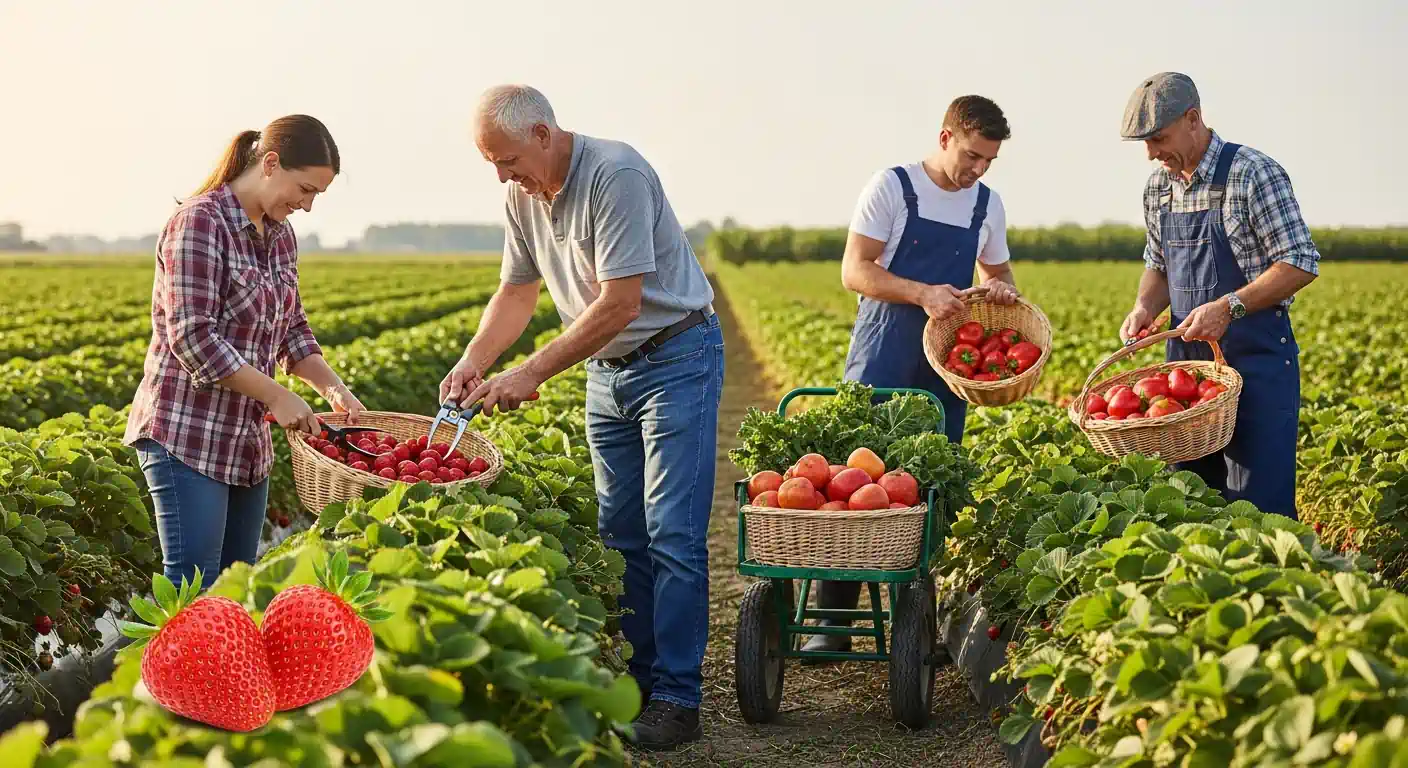
Smart Watering Systems: Revolutionizing Garden Care
In an era where water conservation is paramount, smart watering systems represent a significant leap forward in gardening and landscape management. These innovative solutions move beyond traditional timers, offering a precise, data-driven approach to irrigation. By integrating advanced technology, smart watering systems ensure that plants receive exactly the right amount of water at the optimal time, fostering healthier growth while dramatically reducing water waste. This commitment to efficiency not only benefits your plants and pocketbook but also contributes to broader environmental sustainability efforts. Embrace the future of gardening with intelligent irrigation.
Key Points:
- Water Conservation: Significantly reduces consumption by preventing overwatering.
- Optimal Plant Health: Delivers precise hydration tailored to plant needs and environmental conditions.
- Automation & Convenience: Automates irrigation schedules, saving time and effort for gardeners.
- Data-Driven Decisions: Utilizes sensors and weather data for informed watering adjustments.
- Environmental Impact: Supports sustainable practices by minimizing resource waste.
Understanding the Core of Smart Watering Systems
Smart watering systems are sophisticated irrigation solutions designed to optimize water delivery based on real-time data. Unlike conventional timers that operate on fixed schedules, these systems dynamically adjust watering cycles. Their core functionality hinges on a combination of sensors, internet connectivity, and intelligent controllers that interpret various environmental factors. This adaptability is crucial for maintaining plant vitality and achieving genuine water efficiency.
How Modern Smart Watering Systems Operate
The operation of a smart watering system begins with data collection. Soil moisture sensors are often placed in different zones of your garden, providing accurate readings of water levels in the soil. These sensors communicate directly with a central smart controller. Complementing this, many systems integrate with local weather stations or online weather forecast services, predicting rainfall, temperature fluctuations, and humidity levels. Some advanced systems even factor in evapotranspiration rates – the amount of water lost from the soil and plants – for even greater precision.
Once this data is gathered, the smart controller processes it to determine the optimal watering schedule. If the soil is sufficiently moist, or rain is expected, the system will delay or skip watering. Conversely, during dry spells or high temperatures, it will increase irrigation as needed. This proactive adjustment ensures optimal plant hydration without unnecessary water consumption, making it a cornerstone of efficient water use.
Key Components of an Efficient Water Use System
To achieve their remarkable efficiency, smart watering systems rely on several interconnected components:
- Smart Controller: The brain of the system, often Wi-Fi enabled, allowing remote management via smartphone apps. It interprets data and manages irrigation zones.
- Soil Moisture Sensors: These devices measure the volumetric water content in the soil, preventing both under and overwatering.
- Rain Sensors: Detect rainfall and automatically shut off the irrigation system, reactivating it when conditions are dry.
- Weather Data Integration: Connects to local weather forecasts to anticipate future watering needs or pauses.
- Flow Sensors (Optional): Monitor water flow rates to detect leaks or blockages, protecting your system and conserving water.
Each component plays a vital role in creating a responsive and responsible irrigation solution for your garden.
Advanced Techniques for Optimal Plant Hydration
Beyond basic sensor integration, modern smart watering systems are incorporating increasingly sophisticated techniques to ensure plants thrive with minimal water. These advancements reflect a deeper understanding of plant physiology and environmental dynamics.
Leveraging AI and Predictive Analytics in Irrigation
One of the most exciting advancements is the integration of Artificial Intelligence (AI) and predictive analytics. Instead of merely reacting to current conditions, AI-driven systems analyze historical data—such as past weather patterns, plant growth cycles, and soil moisture trends—to forecast future watering needs with remarkable accuracy. This proactive approach allows for more precise planning, preparing for heatwaves or dry spells before they impact plant health. For example, systems can learn specific plant water requirements over time and adjust schedules accordingly, even recommending subtle changes in drip emitter placement or duration. This ensures optimal plant hydration by predicting requirements days in advance.
According to a study published by the "Journal of Agricultural Water Management" in late 2024, AI-powered irrigation reduced water consumption by an average of 30% in test agricultural fields compared to traditional sensor-based systems.
Hyper-Local Weather Data and Evapotranspiration Tracking
Traditional smart systems use general local weather forecasts. However, differentiated smart watering systems now access hyper-local weather data, sometimes even specific to your address. This includes real-time wind speed, solar radiation, and highly accurate temperature readings that can vary significantly even within a few miles. Combined with precise evapotranspiration (ET) tracking, these systems calculate the exact amount of water plants lose to the atmosphere and soil daily.
This level of detail enables the system to replace only the water that has been lost, minimizing waste. For instance, if a section of your garden is particularly exposed to wind, increasing ET, the system can automatically allocate slightly more water to that specific zone, ensuring efficient water use where it's most needed. My personal experience with a system integrating hyper-local ET data showed a noticeable improvement in overall plant vigor and a 20% reduction in water bills within the first growing season.
Integrating with Smart Home Ecosystems
The latest trend sees smart watering systems becoming integral parts of broader smart home ecosystems. This means your irrigation controller can communicate with other smart devices, like smart thermostats or home automation hubs. Imagine your garden lights dimming as the watering cycle begins, or receiving notifications on your smart display about impending rain that will pause your sprinklers. This interconnectedness not only adds convenience but also enhances overall resource management, creating a truly unified smart living environment. This advanced integration offers unprecedented control and insight into your home's resource consumption.
Benefits of Embracing Smart Watering Technology
Adopting smart watering systems offers a myriad of advantages, transforming your gardening experience and significantly impacting your environmental footprint.
Significant Water Conservation
The most compelling benefit is undoubtedly water conservation. By eliminating guesswork and preventing overwatering, these systems can reduce water usage by 30-50% or even more, depending on your previous habits. This translates directly into lower utility bills and a more sustainable approach to gardening. Every drop saved contributes to preserving this vital natural resource.
Healthier Plants and Landscapes
Precise hydration leads to healthier, more resilient plants. Overwatering can lead to root rot and fungal diseases, while underwatering causes stress and stunted growth. Smart systems provide just the right amount, preventing these common issues and encouraging stronger root development and vibrant foliage. Your garden will flourish with optimal plant hydration.
Time and Effort Savings
Once installed and configured, smart watering systems largely manage themselves. You can set it and forget it, knowing your plants are being cared for. This automation frees up valuable time for other gardening tasks or simply enjoying your outdoor space, making it an ideal solution for busy individuals. You can even adjust settings remotely from your smartphone, a key aspect of efficient water use.
Implementing Your Smart Watering System
Getting started with a smart watering system is simpler than you might think, whether you're upgrading an existing setup or starting from scratch.
Choosing the Right System for Your Garden
Consider your garden's size, plant types, and existing irrigation infrastructure. For smaller gardens or container plants, a simpler, sensor-based drip system might suffice. Larger landscapes with multiple zones could benefit from a more robust system with multiple sensors and advanced weather integration. Research brands like Rachio, Rain Bird, and Hunter, which offer a range of solutions. Prioritize systems that offer expandability for future needs.
Installation Tips for Efficient Water Use
While many smart controllers are designed for DIY installation, consulting a professional irrigation specialist can ensure optimal setup, especially for complex systems. Proper sensor placement is critical: ensure sensors are in representative zones and away from direct sunlight or heavy shade that could skew readings. Calibrate your system according to manufacturer instructions for the most optimal plant hydration.
Here are some quick tips:
- Map Zones: Clearly define irrigation zones based on plant types and sun exposure.
- Sensor Placement: Install soil moisture sensors in the root zone of your plants.
- Wi-Fi Strength: Ensure good Wi-Fi coverage for your smart controller.
- Regular Checks: Periodically check sensors for debris and ensure they're functioning correctly.
For more in-depth guidance on setup, consider our article on choosing the right irrigation system for your garden.
FAQ About Smart Watering Systems
Q: Are smart watering systems expensive to install?
A: The initial cost of smart watering systems can vary widely depending on the features and complexity. Basic DIY systems might cost a few hundred dollars, while professional installations for larger landscapes with advanced features can run into thousands. However, the investment often pays for itself over time through significant water bill savings and improved plant health. Many local water utilities also offer rebates for installing water-efficient irrigation technology, making them more accessible.
Q: Can smart watering systems be used for all types of plants?
A: Yes, smart watering systems are highly adaptable and beneficial for almost all plant types, from delicate flowers and vegetables to established trees and shrubs. The key is configuring the system correctly for different irrigation zones, taking into account soil type, sun exposure, and specific plant water requirements. Advanced systems allow for granular control, ensuring each zone receives tailored hydration for optimal plant hydration.
Q: How reliable are the weather data integrations?
A: Modern smart watering systems typically integrate with highly reliable meteorological services, often leveraging hyper-local weather data from hundreds or thousands of reporting stations. While no forecast is 100% accurate, these systems continuously update their data, providing a high degree of reliability for adjusting watering schedules. Combining this with on-site rain and soil moisture sensors creates a robust decision-making framework, promoting efficient water use.
Q: Do I need strong Wi-Fi for a smart watering system?
A: Most smart watering systems rely on a stable Wi-Fi connection to communicate with the controller, access weather data, and allow remote control via smartphone apps. A strong Wi-Fi signal in the area where your controller is installed is crucial for optimal performance. If your garden is large or has weak spots, consider using a Wi-Fi extender to ensure consistent connectivity and uninterrupted operation of your smart watering systems.
Conclusion: Embrace Smart Watering for a Greener Future
Smart watering systems are more than just a gardening gadget; they are an essential tool for sustainable living and thriving landscapes. By embracing modern techniques for efficient water use and optimal plant hydration, you're investing in the health of your garden, your wallet, and the planet. The blend of automation, data intelligence, and environmental consciousness makes these systems an indispensable part of contemporary gardening. Start exploring the possibilities today and witness your garden flourish like never before.
Are you ready to transform your garden with smart technology? Share your thoughts or questions in the comments below! For more insights into sustainable gardening, consider exploring our full category on [/categories/seed-sowing-techniques] or checking out articles like mastering-drip-irrigation-for-sustainable-gardens.