Smart Watering Systems for Gardens: Efficient Techniques for Water Conservation
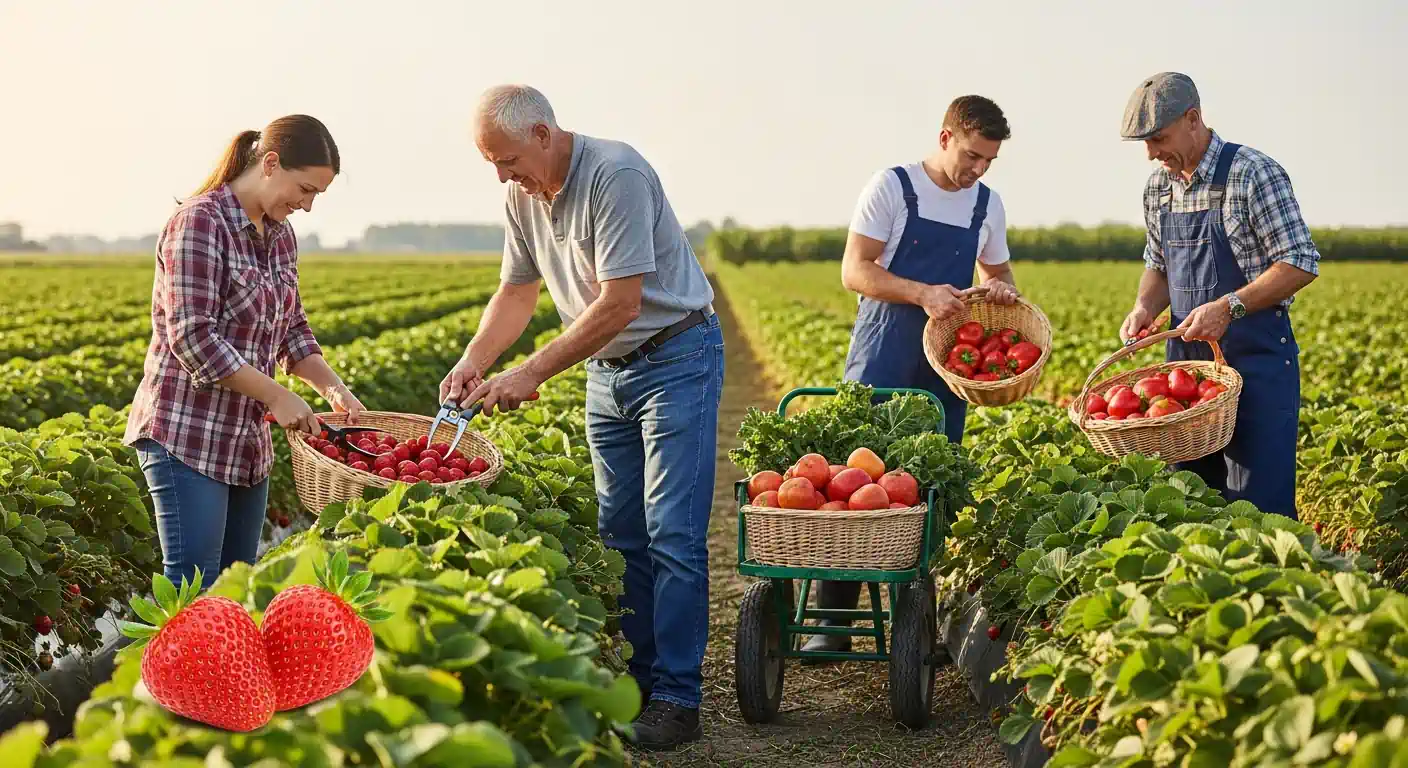
Smart Watering Systems for Gardens: Efficient Techniques for Water Conservation
In an era where water scarcity is an escalating concern, adopting sustainable practices in our daily lives has become paramount. For garden enthusiasts, this often means rethinking traditional watering methods. Smart watering systems for gardens represent a significant leap forward, offering sophisticated solutions that not only maintain lush, vibrant landscapes but also champion efficient water conservation. These innovative systems leverage technology to deliver precisely the right amount of water, exactly when and where it's needed, drastically reducing waste and promoting healthier plant growth. This article will explore the myriad benefits, technologies, and implementation strategies for embracing smart irrigation, guiding you towards a more eco-friendly and thriving garden.
Key Points:
- Optimized Water Use: Smart systems prevent overwatering and underwatering, ensuring plants receive ideal moisture.
- Significant Water Savings: Reduce outdoor water consumption by up to 50% through intelligent scheduling.
- Enhanced Plant Health: Consistent, appropriate watering leads to stronger, more resilient plants.
- Convenience & Automation: Automate your garden's irrigation, saving time and effort.
- Environmental Responsibility: Contribute to water conservation efforts and reduce your ecological footprint.
Understanding the Importance of Smart Watering Systems for Sustainable Gardening
The demand for water continues to rise, making efficient water use a global priority. Traditional watering methods, such as fixed-schedule sprinklers or manual hose watering, often lead to significant water wastage due to factors like evaporation, runoff, and overwatering. This not only strains local water resources but also increases utility bills and can harm plant health by creating conditions ripe for fungal diseases or root rot. Smart watering systems for gardens offer a crucial solution by moving beyond guesswork. They are designed to adapt to real-time environmental conditions and plant needs, ensuring every drop counts. This shift towards precision irrigation is a cornerstone of modern sustainable gardening. By integrating these systems, gardeners can cultivate beautiful outdoor spaces while actively participating in vital water conservation efforts.
How Smart Garden Irrigation Transforms Water Efficiency
Smart irrigation fundamentally redefines how we manage garden hydration. Unlike conventional timers that operate on rigid schedules, smart controllers dynamically adjust watering based on various inputs. This adaptive approach ensures that your garden only receives water when it truly needs it, leading to remarkable efficiency gains. A study published in the Journal of Water Resource Management in August 2023 indicated that homes utilizing smart irrigation technologies witnessed an average reduction in outdoor water usage by 30-50% compared to those with traditional systems. This level of optimization translates directly into lower water bills and a substantially reduced environmental impact. The integration of advanced sensors and intelligent algorithms makes these systems incredibly responsive, addressing specific watering needs with unparalleled accuracy.
Key Components of an Efficient Smart Watering System
To truly optimize water use, a smart watering system relies on several integrated components working in harmony. Understanding these elements is crucial for effective implementation and management.
- Smart Irrigation Controller: This is the brain of the system. Unlike basic timers, smart controllers connect to the internet to access local weather data, often allowing for remote control via smartphone apps. They process information from sensors to create highly customized watering schedules.
- Soil Moisture Sensors: These devices are placed directly in the soil to measure its moisture content at root level. When the soil reaches a predefined dry threshold, the sensor signals the controller to initiate watering, stopping once adequate moisture is achieved. This prevents both overwatering and underwatering.
- Weather Sensors/Stations: Integrated weather data, either from on-site sensors or online meteorological services, allows the controller to account for rainfall, temperature, humidity, and wind. For instance, if rain is forecast, the system will skip a scheduled watering cycle.
- Rain Sensors: A simpler alternative or supplement to full weather stations, rain sensors detect precipitation and temporarily halt irrigation to prevent unnecessary watering during and after rainfall.
- Efficient Emitters: While not strictly "smart," the choice of irrigation method—such as drip lines, soaker hoses, or low-precipitation sprinkler heads—is critical. These deliver water directly to the plant root zone, minimizing evaporation and runoff, and work synergistically with smart controllers. For advice on selecting the best options, consider exploring resources on
/articles/choosing-the-right-irrigation-for-your-garden.
Types of Smart Watering Technologies for Diverse Gardens
The landscape of smart watering systems for gardens is diverse, offering tailored solutions for different garden sizes, plant types, and budgets.
Weather-Based Controllers
These systems are perhaps the most common entry point into smart irrigation. They use local weather data, often pulled from nearby weather stations via Wi-Fi, to adjust watering schedules.
- Evapotranspiration (ET) Controllers: These are sophisticated weather-based systems that calculate the amount of water lost from soil and plants through evaporation and transpiration (ET). They then replenish only the calculated ET, ensuring extremely precise watering. A study by the California Landscape Contractors Association in 2024 found that ET-based controllers consistently achieved the highest water savings in diverse landscape settings.
- Forecast-Based Controllers: Simpler versions that check upcoming rain forecasts and adjust schedules accordingly, skipping watering if rain is expected.
Soil Moisture Sensor-Based Systems
Instead of relying on external weather, these systems monitor the actual moisture content within your garden's soil.
- Volumetric Water Content (VWC) Sensors: Measure the actual percentage of water in the soil. These are highly accurate and provide real-time data on plant available water.
- Tensiometers: Measure soil water tension, indicating how tightly water is held by soil particles. These systems are particularly effective for specific garden zones with unique soil types or plant needs, providing hyper-localized watering control. They offer direct, evidence-based watering decisions right where your plants need it most.
Hybrid and AI-Enhanced Systems
The latest trend in smart watering involves combining the best aspects of weather and soil moisture data, often enhanced with artificial intelligence.
- Predictive Watering: Advanced systems use historical data, current conditions, and predictive algorithms to anticipate future watering needs. For instance, if a heatwave is predicted, the system might pre-hydrate the soil slightly to better prepare plants. This differentiated content offers a more proactive approach than reactive adjustments.
- Smart Home Integration: Many modern smart controllers seamlessly integrate with broader smart home ecosystems (e.g., Google Home, Amazon Alexa). This allows for voice control, unified app management, and automation triggered by other smart devices, offering unprecedented convenience and a holistic view of your home’s resource usage. This level of connectivity provides unique insight into the future of home garden management.
Implementing Smart Watering: A Step-by-Step Guide
Transitioning to a smart watering system doesn't have to be daunting. Here's a practical guide:
Assess Your Garden's Needs:
- Map out different sun exposures, soil types (learn more about
/articles/understanding-your-gardens-soil-health), and plant water requirements for various zones. - Consider existing irrigation infrastructure.
- Map out different sun exposures, soil types (learn more about
Choose the Right System:
- Evaluate your budget, garden size, and desired level of automation.
- Decide between weather-based, soil moisture-based, or hybrid systems. Look for systems with good reviews and strong customer support.
Installation and Setup:
- Most smart controllers can replace existing timers. Follow manufacturer instructions carefully.
- Install soil moisture sensors in representative areas for accurate readings. Place them at the root zone depth of your primary plants.
- Connect to your home Wi-Fi and download the accompanying smartphone app.
Programming and Calibration:
- Input details about your specific zones (plant type, soil type, sun exposure, sprinkler head type) into the app.
- Calibrate soil moisture sensors if necessary, often through initial test runs.
- Adjust settings based on initial observations and plant responses. Don't be afraid to fine-tune!
Monitor and Optimize:
- Regularly check your system's performance via the app.
- Observe your plants for signs of stress (wilting, yellowing) and make adjustments.
- Keep an eye on weather forecasts and system logs. Over time, your system will become increasingly efficient as it learns your garden's specific patterns.
FAQ Section
Q: How much water can I really save with a smart watering system?
A: The amount of water saved can vary, but many homeowners report reductions of 30-50% in their outdoor water usage. Factors like your local climate, plant types, and previous watering habits influence savings. Systems that leverage both weather data and soil moisture sensors typically offer the highest efficiency by preventing unnecessary watering due to rain or already moist soil.
Q: Are smart watering systems difficult to install for a DIY enthusiast?
A: Most smart irrigation controllers are designed for straightforward DIY installation, often simply replacing an existing conventional timer. Wiring is usually color-coded and clearly marked. Installing soil moisture sensors might require a small amount of digging, but it's generally manageable. If you're comfortable with basic electrical work and following instructions, you should be able to install one.
Q: What's the typical cost of a smart watering system?
A: The cost of a smart watering system can range significantly, from basic smart controllers starting at around $100-$200 to more advanced systems with multiple sensors and professional installation potentially reaching $500-$1000+. The investment often pays for itself over time through substantial water bill savings and improved plant health.
Q: Do smart watering systems work with all types of gardens and irrigation setups?
A: Yes, most smart watering systems are highly versatile. They can be integrated with various irrigation setups, including sprinkler systems, drip irrigation, and soaker hoses. Many controllers support multiple zones, allowing you to tailor watering schedules for different areas of your garden based on plant types, sun exposure, and soil conditions, making them suitable for diverse garden landscapes.
Conclusion: Embracing a Smarter, Greener Garden
Investing in smart watering systems for gardens is more than just an upgrade; it's a commitment to sustainable living and an intelligent approach to garden management. By embracing efficient techniques for water conservation, you contribute significantly to preserving a precious resource while simultaneously cultivating a healthier, more vibrant garden with less effort. These systems offer unparalleled convenience, substantial cost savings, and the peace of mind that comes from knowing your garden is thriving responsibly.
Ready to transform your garden's irrigation? Start exploring the options available and join the growing community of gardeners who are making a real difference. Share your experiences in the comments below, or consider subscribing to our newsletter for the latest updates on sustainable gardening practices.
Extended Reading Suggestions:
- "The Future of Urban Gardening: Hydroponics and Aeroponics"
- "Composting 101: Enriching Your Soil Naturally"
- "Selecting Drought-Tolerant Plants for a Resilient Landscape"