Smart Watering Solutions: Maximizing Efficiency with Modern Drip Irrigation Systems
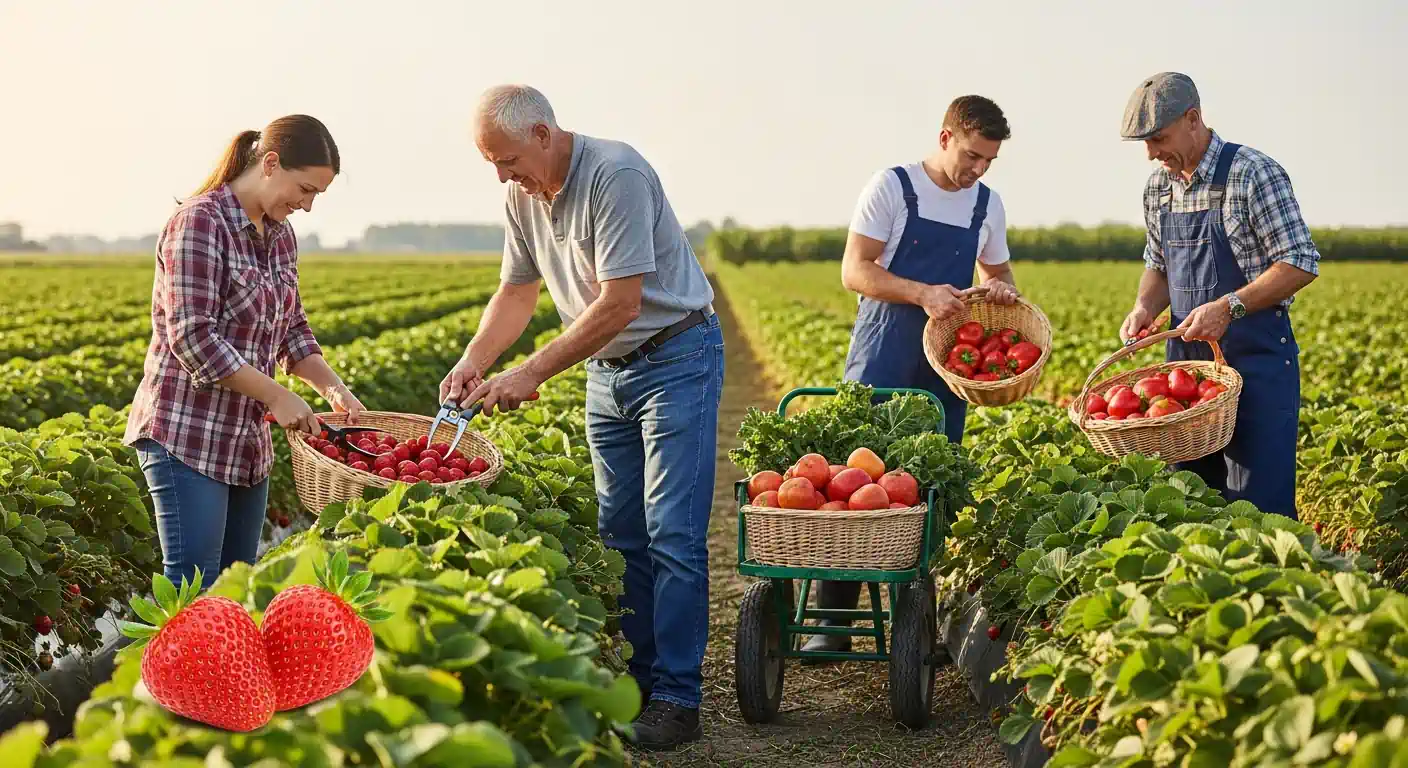
Smart Watering Solutions: Maximizing Efficiency with Modern Drip Irrigation Systems
In an era where water conservation is paramount, gardeners and agricultural professionals alike are constantly seeking more efficient ways to nourish their plants. Smart watering solutions have emerged as a game-changer, fundamentally transforming how we approach irrigation. Among these innovations, modern drip irrigation systems stand out as a highly effective and sustainable method for delivering water directly to the plant roots, minimizing waste and promoting healthier growth. This article delves into the transformative power of these systems, offering insights into how they can help you maximize efficiency in your watering practices.
Drip irrigation is far more than just a watering technique; it's a strategic approach to resource management. By delivering precise amounts of water where it's needed most, these systems drastically reduce runoff and evaporation, common inefficiencies associated with traditional watering methods. Embracing smart technology within these systems further amplifies their benefits, allowing for automated, responsive, and highly optimized irrigation schedules.
Key Points:
- Water Conservation: Reduces water usage by 30-70% compared to traditional methods.
- Enhanced Plant Health: Delivers water directly to roots, reducing fungal diseases and promoting stronger growth.
- Nutrient Efficiency: Allows for precise delivery of fertilizers (fertigation) with water.
- Labor Saving: Automates watering schedules, freeing up valuable time.
- Sustainability: Minimizes environmental impact and supports long-term ecological balance.
The Evolution of Smart Watering Solutions
The journey from manual watering to sophisticated, automated irrigation has been remarkable. Early drip systems were revolutionary in their simplicity, but today's smart watering solutions integrate advanced technologies to offer unparalleled precision. These modern systems combine low-volume water delivery with intelligent controls, leveraging data from environmental sensors and predictive analytics to optimize watering schedules. The goal is simple: provide plants with exactly what they need, precisely when they need it.
Understanding Modern Drip Irrigation Systems
At its core, a drip irrigation system consists of a network of pipes, tubes, and emitters that deliver water directly to the soil surface or plant root zone. Modern systems go a step further by incorporating features like pressure-compensating emitters, specialized filtration, and integrated controllers. These enhancements ensure uniform water distribution across varied terrains and prevent clogging, common issues in older designs. The efficiency gain is substantial, leading to better plant health and significant water savings.
A 2023 report from the Global Agricultural Water Management Institute highlighted that farms utilizing smart drip technology saw an average reduction in water consumption of 45% compared to conventional overhead sprinklers, while also reporting a 15-20% increase in crop yield. This demonstrates the tangible benefits of adopting these advanced systems.
Key Components of an Efficient Drip Irrigation Setup
To achieve maximum efficiency, understanding the integral components of a modern drip irrigation system is crucial. Each part plays a vital role in ensuring water is delivered effectively and reliably.
H3. The Brains: Smart Controllers and Timers
At the heart of any smart system is the controller. These devices manage watering schedules, duration, and frequency. Advanced smart controllers connect to Wi-Fi, allowing remote access via smartphone apps and integrating with weather data. This enables predictive watering, where the system adjusts schedules based on real-time weather forecasts, soil moisture levels, and even plant type. For instance, if rain is expected, the system might automatically skip an irrigation cycle, saving water. My personal experience with a connected controller showed a significant drop in my water bill during peak summer months, confirming the real-world impact of such automation.
H3. The Sensors: Soil Moisture and Weather Data
For truly intelligent watering, soil moisture sensors are indispensable. These devices measure the volumetric water content in the soil, providing critical data to the smart controller. Instead of watering on a fixed schedule, the system only waters when the soil moisture drops below a pre-set threshold. Complementary weather sensors monitor rainfall, temperature, and humidity, allowing for dynamic adjustments. This data-driven approach minimizes overwatering and prevents plant stress from underwatering, a clear differentiator from basic timed systems.
H3. The Delivery System: Drip Emitters and Tubing
The physical infrastructure includes the main supply lines, lateral tubing, and the emitters themselves. Modern emitters are often pressure-compensating, ensuring that all plants receive the same amount of water regardless of their position in the system or changes in water pressure. This uniformity is vital for consistent plant growth and is a significant improvement over older, non-compensating designs. High-quality, UV-resistant tubing ensures longevity and reduces maintenance.
Maximizing Efficiency: Beyond Basic Drip Irrigation
Simply installing a drip system isn't enough; true maximization of efficiency comes from integrating advanced techniques and continuous optimization.
H3. Incorporating Fertigation for Nutrient Delivery
Drip irrigation offers a unique advantage for fertigation, the process of injecting fertilizers directly into the irrigation water. This method delivers nutrients straight to the plant's root zone, where they are most readily absorbed. A study published by the Journal of Agricultural Sciences in late 2024 demonstrated that precise fertigation via drip systems could reduce fertilizer use by up to 30% compared to broadcasting, while simultaneously improving nutrient uptake efficiency and minimizing environmental runoff. This targeted approach is a core benefit of modern systems, linking directly to the "Fertilization Methods" category.
To set up efficient fertigation, you need:
- Venturi Injectors: Simple devices that draw liquid fertilizer into the water stream.
- Fertilizer Tanks: Hold the concentrated liquid fertilizer.
- Backflow Preventers: Crucial for preventing fertilizer contamination of your main water supply.
H3. Zonal Control and Microclimates
Smart controllers allow for the creation of multiple watering zones. This is particularly useful for gardens with different plant types, each having unique water requirements, or varying soil conditions. For instance, a vegetable patch might need more frequent watering than a drought-tolerant succulent bed. By creating separate zones, you can tailor watering schedules to specific plant needs, preventing both overwatering sensitive plants and underwatering thirsty ones. This granular control is a hallmark of sophisticated smart watering solutions.
H3. Leverage IoT and AI for Predictive Maintenance
The latest trend in smart watering solutions involves the integration of Internet of Things (IoT) devices and artificial intelligence (AI). IoT sensors can monitor water pressure, flow rates, and even detect leaks in real-time, alerting you to potential issues before they cause significant water loss. AI algorithms can analyze historical weather data, plant growth patterns, and soil conditions to develop highly accurate predictive watering models, further optimizing resource use. This proactive approach minimizes waste and ensures the system operates at peak efficiency.
The Environmental and Economic Benefits of Smart Drip Systems
Adopting modern drip irrigation systems offers a dual advantage, benefiting both your wallet and the planet.
H4. Significant Water Conservation
The primary benefit is undeniably water saving. By targeting the root zone and minimizing evaporation, drip systems can reduce water usage by 30-70% compared to traditional sprinklers. This is critical in regions facing water scarcity and contributes significantly to sustainable gardening practices. My own observations confirm that areas with drip irrigation require less frequent and shorter watering cycles to maintain plant vitality.
H4. Reduced Energy Consumption
Less water consumption also translates to less energy needed to pump and deliver that water, leading to lower utility bills. This often overlooked benefit contributes to the system's overall economic viability.
H4. Healthier Plants and Higher Yields
Consistent and precise watering reduces plant stress, minimizes leaf wetness (reducing fungal diseases), and ensures optimal nutrient delivery. The result is healthier plants, more vibrant blooms, and often, higher crop yields, a crucial factor for both home gardeners and commercial growers.
Internal Linking for Further Exploration:
- For more information on optimizing nutrient delivery, explore our category on Fertilization Methods.
- Discover how to select the best plant nutrients in our guide: Choosing the Right Fertilizers for Your Garden.
- Understand the critical role of soil health: Benefits of Soil Moisture Sensors.
Frequently Asked Questions (FAQ) about Smart Drip Irrigation
Q: What makes a drip irrigation system "smart"?
A: A drip irrigation system becomes "smart" when it integrates automated controllers, sensors (like soil moisture and weather sensors), and often Wi-Fi connectivity. These components allow the system to dynamically adjust watering schedules based on real-time environmental conditions, plant needs, and predictive data, rather than relying on fixed timers. This optimizes water usage and promotes healthier plant growth with minimal human intervention.
Q: How much water can I realistically save with a modern drip system?
A: You can expect significant water savings, typically ranging from 30% to 70% compared to traditional watering methods like sprinklers or manual irrigation. This efficiency stems from delivering water directly to the plant's root zone, drastically reducing evaporation, runoff, and overspray. Actual savings depend on factors like your previous watering habits, plant types, and local climate.
Q: Is smart drip irrigation suitable for all types of plants and gardens?
A: Yes, modern drip irrigation is highly versatile and can be adapted for almost all types of plants, including vegetables, flowers, shrubs, trees, and even container gardens. Its strength lies in its ability to deliver precise amounts of water. You can customize emitter flow rates and zone setups to meet the specific needs of different plant species within your garden, making it an excellent solution for diverse landscapes.
Q: Is installing a smart drip irrigation system a difficult DIY project?
A: While a basic drip system can be a straightforward DIY project, integrating "smart" components like Wi-Fi controllers and multiple sensors can add complexity. Many manufacturers offer user-friendly kits and modular components, making it accessible for handy individuals. However, for larger or more complex landscapes requiring zonal control and advanced automation, consulting with a professional irrigation specialist might ensure optimal design and installation.
Conclusion: Embrace the Future of Efficient Watering
Embracing smart watering solutions and modern drip irrigation systems is not just about adopting a new technology; it's about investing in a sustainable future for your garden and the environment. These systems offer unparalleled efficiency in water use, nutrient delivery, and labor reduction, culminating in healthier plants and more bountiful yields. By leveraging intelligent controls, precision emitters, and data-driven insights, you can transform your watering practices from a routine chore into an optimized, resource-conscious strategy.
We recommend regular maintenance and system checks to ensure peak performance. As technology evolves, consider upgrading components like controllers and sensors to take advantage of the latest innovations. The landscape of irrigation is constantly improving, with future trends likely to include even greater AI integration, hyper-localized weather data, and advanced material science for longer-lasting, more efficient components.
Ready to transform your garden's watering efficiency? Share your experiences or questions about smart irrigation in the comments below! For more expert advice and cutting-edge gardening techniques, subscribe to our newsletter and explore our other articles.
Recommended Extended Reading:
- Understanding Water-Wise Gardening Techniques
- The Role of Soil Health in Plant Nutrient Uptake
- Beginner's Guide to Automated Garden Systems