Raised Bed Planting: Perfect Soil for Thriving Plants
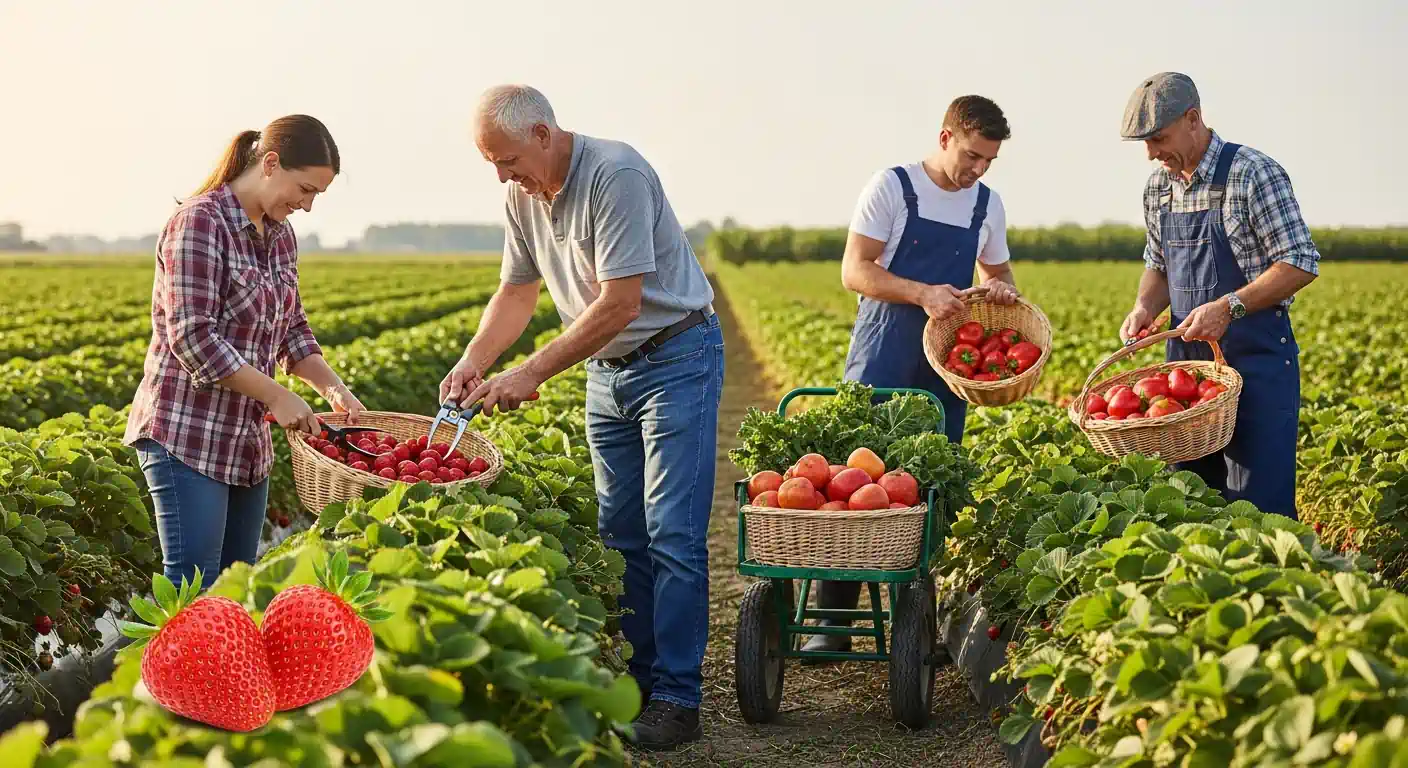
Raised bed gardening offers a multitude of benefits, from improved drainage and soil warming to easier access and weed control. However, the true secret to raised bed planting success lies in the quality of the soil you fill it with. Unlike in-ground gardens, where you can often rely on existing topsoil, raised beds require a deliberate and thoughtful soil mix. Creating the perfect soil for thriving plants in your raised beds isn't just about filling the void; it's about crafting an environment that provides optimal nutrition, aeration, and moisture retention for robust growth. This guide will delve into what makes a superior raised bed soil and how you can achieve it, ensuring your vegetables, herbs, and flowers flourish.
Key Points:
- Drainage is Crucial: Raised beds elevate soil, preventing waterlogging.
- Nutrient Density: A rich blend fuels vigorous plant growth.
- Aeration: Allows roots to breathe and access nutrients.
- Moisture Retention: Balances drainage with consistent hydration.
- Amendments Matter: Compost, peat, and other organic materials are essential.
Understanding the Needs of Raised Bed Soil
Raised beds are essentially large containers, and like any container garden, they have unique soil requirements. The soil needs to be light enough for excellent drainage and aeration, yet rich enough to provide sustained nutrients. It must also hold moisture without becoming waterlogged, a common pitfall if the wrong materials are used. This balance is critical for preventing root rot, promoting healthy microbial activity, and ultimately, supporting thriving plants that are less susceptible to pests and diseases. The absence of native soil means you are in complete control of the growing medium's composition, a significant advantage for any gardener.
The Ideal Soil Structure: More Than Just Dirt
What constitutes "ideal" soil for raised beds? It’s a blend that mimics the best natural topsoil but with enhanced properties tailored for this specific gardening method. Think of it as a carefully engineered mix designed for peak performance.
- Excellent Drainage: Water needs to pass through freely. This prevents roots from sitting in soggy conditions, which can lead to fungal diseases and root suffocation.
- Good Aeration: Plant roots need oxygen to survive and thrive. A compacted soil prevents this. The ideal mix will have plenty of pore space.
- Moisture Retention: While drainage is key, the soil also needs to hold enough water to keep plants hydrated between waterings. This is where organic matter plays a vital role.
- Nutrient Richness: Plants need a steady supply of food. A good raised bed soil will be teeming with organic matter that breaks down over time, releasing essential nutrients.
- pH Balance: Most plants prefer a slightly acidic to neutral pH (around 6.0-7.0). The soil mix should be formulated to fall within this range.
Crafting Your Perfect Raised Bed Soil Mix
The most effective way to achieve perfect soil for thriving plants in raised beds is by creating your own custom blend. While bagged "raised bed soil" is available, it can be costly and variable in quality. A DIY approach allows you to control the ingredients and tailor the mix to your specific plants and climate. A widely recommended and highly effective base recipe follows the "lasagna gardening" or "sheet mulching" principle, layering different organic materials.
The Foundation: Bulk Materials for Volume and Structure
You'll need substantial amounts of base materials to fill your raised bed. These form the bulk of the soil and provide the essential structure for drainage and aeration.
- Compost: This is arguably the most important ingredient. High-quality, well-rotted compost provides a vast array of nutrients, improves soil structure, and enhances moisture retention. Aim for at least 30-50% of your mix. Tip: Look for compost made from a variety of sources, like manure, plant debris, and food scraps, for a broader nutrient profile. Experts like those at the Rodale Institute have long championed compost as the cornerstone of healthy garden soil, citing its ability to improve soil structure and fertility across decades of research.
- Topsoil (Loam): This provides a good base of minerals and a more traditional soil texture. However, avoid heavy clay-heavy topsoil, as it can lead to compaction. A good loam will have a balanced mix of sand, silt, and clay. Use it in roughly 30-40% of your mix.
- Coconut Coir or Peat Moss: These are excellent for improving moisture retention and aeration. Coconut coir is a more sustainable option than peat moss. They help keep the soil light and airy, preventing compaction. Use about 10-20% of your mix.
The Boosters: Enhancing Nutrition and Performance
Once you have your base materials, adding amendments will elevate your soil from good to perfect soil for thriving plants. These ingredients provide targeted nutrients, support beneficial microbes, and improve soil health further.
- Aged Manure: Well-rotted manure (cow, horse, chicken) is a fantastic source of nitrogen and other essential nutrients. Ensure it is fully composted to avoid burning plant roots and introducing weed seeds. A small percentage, perhaps 10-15%, is usually sufficient. Caution: Fresh manure is too potent for most plants and can harm them.
- Worm Castings: Often called "black gold," worm castings are a highly concentrated, nutrient-rich organic fertilizer. They also introduce beneficial microbes that help plants absorb nutrients more efficiently. Adding 5-10% worm castings can significantly boost plant health.
- Perlite or Vermiculite: For exceptionally good drainage and aeration, especially in wetter climates or for plants that demand it, a small amount of perlite or vermiculite (5-10%) can be beneficial. Perlite is a volcanic glass that creates air pockets, while vermiculite is a mineral that improves moisture and nutrient retention.
Calculating Your Mix
The exact proportions will depend on the quality of your starting ingredients. A common starting point for a highly effective raised bed planting soil is:
- 40% High-Quality Compost
- 30% Topsoil (Loam)
- 15% Coconut Coir or Peat Moss
- 10% Aged Manure
- 5% Worm Castings
If you are in a particularly wet climate, you might increase the perlite/vermiculite slightly. If your topsoil is very sandy, you may need more compost and coir to improve water retention.
Preparing and Maintaining Your Raised Bed Soil
Simply dumping ingredients into your raised bed and mixing them lightly isn't enough. Proper preparation and ongoing maintenance are key to ensuring your perfect soil for thriving plants remains optimal year after year.
Mixing the Ingredients
The best way to mix your raised bed soil is thoroughly. You can do this:
- On a Tarp: Spread your ingredients out on a large tarp and use shovels and rakes to turn and mix them until evenly distributed.
- In a Wheelbarrow: For smaller beds, a sturdy wheelbarrow can serve as your mixing station.
- In Situ (in the bed): If your bed is empty, you can layer the ingredients and then use a broadfork or garden fork to thoroughly turn and incorporate them.
Aim for a homogenous mix where no single ingredient dominates any given shovelful.
Initial Filling and Settling
When filling a new raised bed, it's common for the soil to settle significantly over the first few weeks. This is due to air pockets collapsing and organic matter beginning to break down. It’s often recommended to fill the bed slightly higher than you intend for the final level to account for this settling. Watering the soil gently after filling can help initiate the settling process.
Ongoing Soil Health and Amendments
Raised bed soil can become depleted over time as plants absorb nutrients and organic matter decomposes. Regular replenishment is crucial for maintaining perfect soil for thriving plants.
- Annual Top-Dressing: Each spring, before planting, add a fresh layer of compost (1-2 inches) to the surface of your raised beds. Gently incorporate it into the top few inches of soil. This replenishes nutrients and organic matter.
- Seasonal Amendments: Depending on what you've grown and soil tests (if performed), you might add specific amendments like bone meal for phosphorus, blood meal for nitrogen, or Epsom salts for magnesium.
- Cover Cropping: In the off-season, planting cover crops like clover or vetch can help add nitrogen, improve soil structure, and prevent erosion. They are then tilled back into the soil in the spring.
- Avoid Compaction: Try to avoid walking on your raised beds. Use a designated path or board to step on if you must access the center of a wide bed.
Differentiated Value: Beyond Basic Soil Blends
While the above provides a solid foundation, truly optimized raised bed soil involves a deeper understanding of plant needs and soil biology.
Understanding Soil Biology for Enhanced Growth
Modern horticultural science increasingly emphasizes the role of beneficial microorganisms in plant health. A living soil, rich in bacteria, fungi, and other microbes, can significantly enhance nutrient uptake, improve disease resistance, and promote stronger root development. Incorporating elements like compost tea (a liquid extract of compost brewed with beneficial microbes) or mycorrhizal fungi inoculants can provide a significant boost to your raised bed soil, pushing it beyond a mere inert medium to a vibrant ecosystem. Research published by organizations like the Soil Science Society of America (2024) highlights the substantial impact of healthy soil microbial communities on crop yield and resilience, demonstrating that a well-balanced microbial population is as vital as the nutrient content itself.
Tailoring Soil for Specific Plant Needs
Not all plants have identical soil requirements. For instance:
- Root Vegetables (Carrots, Radishes): These thrive in loose, well-drained soil with minimal compaction to allow for straight, unobstructed growth. A higher proportion of sand or perlite can be beneficial.
- Fruiting Plants (Tomatoes, Peppers): These are heavy feeders and benefit from nutrient-rich soil with ample compost and aged manure to support flowering and fruit production.
- Leafy Greens (Lettuce, Spinach): These prefer fertile soil with good moisture retention to support lush foliage growth.
By understanding the specific needs of the plants you intend to grow, you can slightly adjust your base soil mix for optimal results. This granular approach to raised bed planting soil preparation allows for highly customized and successful gardening outcomes.
Frequently Asked Questions About Raised Bed Soil
Q1: How deep should my raised bed soil be? A1: For most vegetables and flowers, a depth of 8-12 inches is sufficient. Deeper beds (18-24 inches) can be beneficial for plants with long taproots or for gardeners who want to minimize bending.
Q2: Can I use garden soil directly in my raised beds? A2: It's generally not recommended. Native garden soil can be too dense, compacted, or lack the necessary nutrients and drainage. A custom mix provides superior results for raised bed gardening.
Q3: How often do I need to replace my raised bed soil? A3: You rarely need to completely replace raised bed soil. With regular replenishment of compost and amendments, the soil can remain productive for many years. Annual top-dressing is usually all that's needed.
Q4: What are signs of poor raised bed soil? A4: Poor drainage (water sits on the surface), stunted plant growth, yellowing leaves, and increased susceptibility to pests and diseases are all indicators that your soil may be lacking in essential nutrients or proper structure.
Conclusion: Cultivating Success with Superior Soil
The journey to raised bed planting success is paved with excellent soil. By understanding the fundamental requirements for drainage, aeration, and nutrient supply, and by thoughtfully crafting a balanced soil mix, you create an environment where your plants can truly flourish. Don't underestimate the power of high-quality compost and organic amendments to transform your raised beds into highly productive gardens. Remember that soil health is an ongoing process; consistent feeding and maintenance will ensure your perfect soil for thriving plants continues to deliver bountiful harvests season after season.
Ready to dig in? Start by assessing your raised bed size and the plants you wish to grow. Gather your materials and begin mixing your custom blend. Share your experiences and any unique soil recipes you've discovered in the comments below – we love hearing from our gardening community!
For further reading on sustainable gardening practices and soil enrichment, consider exploring resources on composting techniques and the benefits of organic matter in soil science.