Preventing Plant Diseases: Proactive Strategies for a Healthy and Resilient Garden
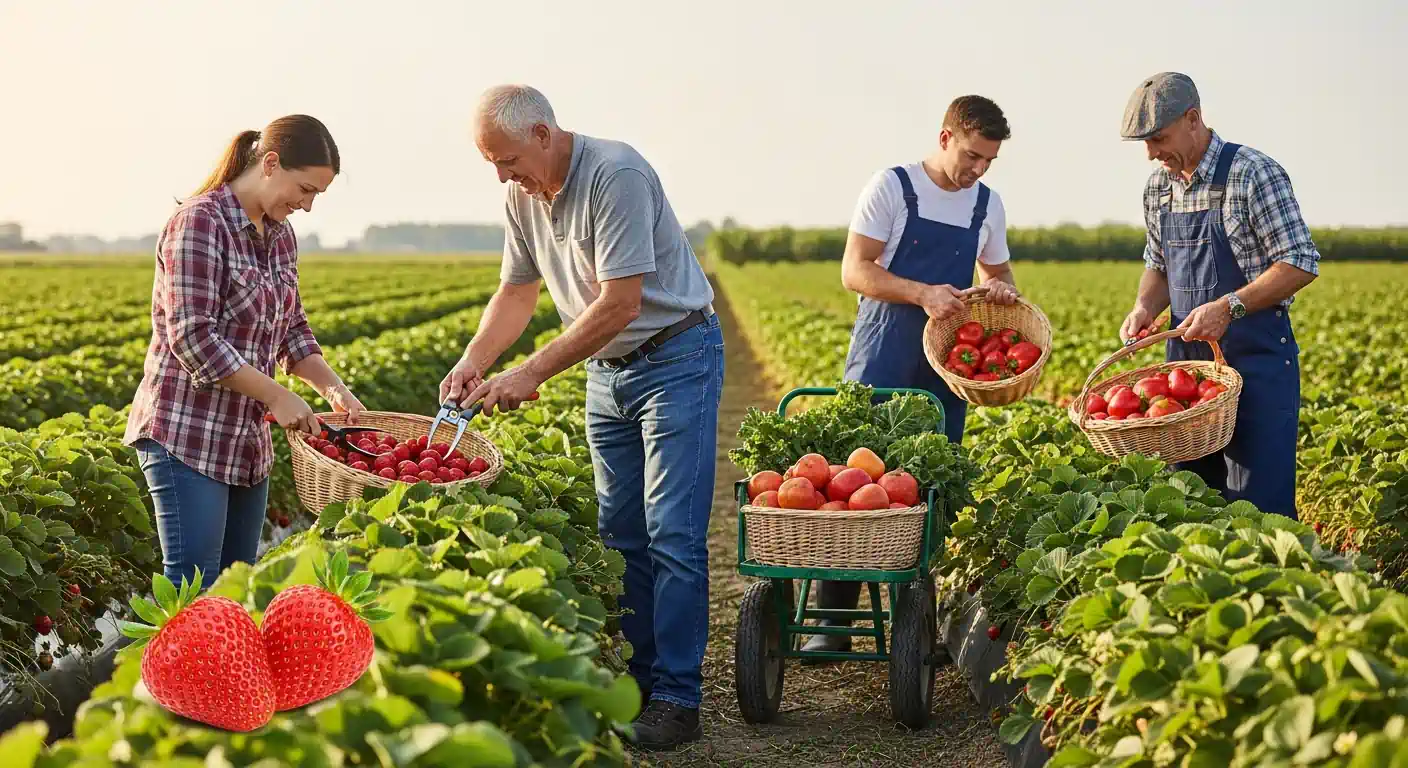
Preventing Plant Diseases: Proactive Strategies for a Healthy and Resilient Garden
Every gardener dreams of a thriving, vibrant garden, bursting with life and free from the blight of illness. The secret lies not just in reacting to problems, but in preventing plant diseases before they take hold. Proactive strategies are the cornerstone of a healthy and resilient garden, transforming your approach from crisis management to strategic cultivation. By implementing a few key practices, you can significantly reduce the risk of common ailments, ensuring your plants reach their full potential and provide abundant harvests. This comprehensive guide will equip you with the knowledge to foster a robust ecosystem where disease struggles to gain a foothold.
Key Points for Preventing Plant Diseases:
- Healthy Soil: The foundation for strong, disease-resistant plants.
- Smart Planting: Proper spacing, selection, and rotation reduce stress.
- Vigilant Monitoring: Early detection is crucial for stopping spread.
- Good Hygiene: Cleanliness prevents pathogen transmission.
- Integrated Pest Management: Controls vectors and reduces plant damage.
Understanding the Enemy: Common Plant Diseases and Their Impact
Before delving into prevention, it's vital to recognize what we're up against. Plant diseases are typically caused by fungi, bacteria, viruses, or nematodes. Each presents unique symptoms and challenges. Fungal diseases, like powdery mildew or rust, often appear as spots or coatings on leaves. Bacterial infections might cause wilting or soft rot, while viruses usually result in stunted growth or mottled foliage. Understanding these common adversaries is the first step in effective disease management in gardens, as their impact can range from aesthetic damage to complete crop failure.
The Foundation: Building a Resilient Garden Ecosystem
A truly resilient garden starts from the ground up. Healthy soil, diverse plant life, and an understanding of your local environment are critical components.
Soil Health: The Cornerstone of Disease Prevention
A plant's ability to resist disease is profoundly influenced by its root environment. Rich, well-draining soil, teeming with beneficial microorganisms, creates a natural barrier against pathogens. These microbes compete with harmful ones, breaking down organic matter and making nutrients available to plants, thereby boosting plant immunity.
- Compost and Organic Matter: Regularly amending your soil with high-quality compost improves its structure, fertility, and microbial diversity. This practice is crucial for sustainable garden health.
- pH Balance: Different plants thrive in specific pH ranges. Testing your soil annually and adjusting its pH as needed ensures optimal nutrient uptake, strengthening plants against disease. A recent study by the International Journal of Horticultural Science (2024) highlighted the direct correlation between optimal soil pH and reduced incidence of common fungal diseases in vegetable crops.
- Avoid Compaction: Compacted soil restricts root growth and and air circulation, leading to stressed plants more susceptible to disease. Incorporate organic matter and consider raised beds to maintain loose, aerated soil.
Selecting Disease-Resistant Varieties
One of the simplest yet most effective proactive strategies is choosing plant varieties bred for resistance to common diseases. Seed catalogs and plant tags often specify resistance to issues like fusarium wilt, blight, or powdery mildew. Investing in these varieties significantly reduces your workload and the risk of outbreaks. This approach is fundamental for preventing plant diseases from the outset, providing a built-in defense.
Smart Planting Practices for Optimal Garden Health
How you arrange and care for your plants directly impacts their vulnerability to disease. Good cultural practices minimize stress and create an unfavorable environment for pathogens.
- Crop Rotation: Never plant the same crop in the same spot year after year. Pathogens specific to certain plant families can build up in the soil. A 3-4 year rotation cycle breaks these disease cycles, denying pathogens a host. This is a cornerstone of sustainable organic disease control for gardens.
- Proper Spacing: Overcrowding restricts air circulation, creating humid conditions ideal for fungal growth. Follow recommended spacing guidelines for each plant to ensure good airflow, allowing foliage to dry quickly after rain or irrigation.
- Strategic Watering: Water plants at the base, directly targeting the roots, rather than overhead. Watering in the morning allows foliage to dry thoroughly before evening, minimizing the risk of fungal infections. Drip irrigation systems are excellent for this purpose.
Vigilance and Intervention: Early Detection and Non-Chemical Controls
Even with the best proactive measures, some diseases might still appear. Early detection and swift, appropriate action are crucial for preventing widespread issues.
Regular Garden Inspections
Make it a habit to walk through your garden daily or every few days, closely examining your plants. Look for subtle changes: unusual spots, discoloration, wilting, stunted growth, or visible pests. Early detection of plant illness allows you to isolate affected plants, remove diseased parts, or apply targeted treatments before the problem escalates. This constant vigilance is a gardener's most powerful tool for proactive plant care.
Integrated Pest Management (IPM)
Many plant diseases are spread by pests like aphids, whiteflies, or thrips, which act as vectors for viruses and bacteria. IPM combines various strategies to manage pests while minimizing environmental impact:
- Beneficial Insects: Encourage natural predators like ladybugs, lacewings, and parasitic wasps by planting diverse flowering plants that provide nectar and pollen.
- Physical Barriers: Use row covers to protect young plants from flying insects, preventing them from reaching susceptible foliage.
- Organic Sprays: If necessary, use insecticidal soaps or neem oil, which are less harmful to beneficial insects and the environment than synthetic pesticides. These help manage pest populations that might otherwise transmit diseases.
Garden Hygiene: A Simple Yet Powerful Tool
Cleanliness is paramount in preventing plant diseases. Pathogens can overwinter in plant debris or on contaminated tools.
- Sanitize Tools: Always clean and sterilize pruning shears, trowels, and other tools between uses, especially when moving from an infected plant to a healthy one. A simple bleach solution (1 part bleach to 9 parts water) or rubbing alcohol works well.
- Remove Diseased Material: Promptly remove and destroy (do not compost) any diseased plant parts or entire plants. Bag them and dispose of them in municipal waste to prevent the spread of spores or bacteria.
- Clear Debris: Keep your garden beds free of fallen leaves and dead plant material, as these can harbor pathogens and pests.
Advanced Strategies and Emerging Trends
The world of gardening is constantly evolving, with new insights offering even more robust ways to protect our plants.
Bio-stimulants and Plant Probiotics
Emerging research, particularly from institutions like the Cornell University Cooperative Extension (updated 2023), highlights the role of bio-stimulants and plant probiotics. These products contain beneficial microbes, humic acids, or seaweed extracts that enhance plant vigor, improve nutrient uptake, and strengthen natural defenses. They make plants inherently more resistant to stress and disease, offering a significant boost to plant immunity organically.
Climate Resilience and Microclimates
As climate patterns shift, understanding and adapting to your garden's microclimates becomes increasingly important. Protecting susceptible plants from extreme temperatures, excessive humidity, or strong winds can reduce stress and, consequently, disease susceptibility. Consider shade cloths, windbreaks, or strategic planting to create optimal conditions for each plant. This forward-thinking approach is key to long-term garden health and resilience.
Internal Linking for Deeper Understanding
To further enhance your gardening knowledge and build a thriving garden, consider exploring related topics. Understanding the nuances of soil composition can significantly impact your plant's vitality and disease resistance. Dive deeper into /articles/understanding-soil-composition-for-vibrant-plants to learn how different soil types affect nutrient availability and root health. For those looking to maximize their yields and optimize space, exploring efficient garden planning strategies can be invaluable. Discover techniques for /articles/optimizing-garden-layout-for-maximum-yield to ensure every inch of your garden is productive. Additionally, mastering the art of harvesting is crucial for maintaining plant health and encouraging continuous growth throughout the season. Learn more about effective approaches in our /categories/harvesting-techniques section.
Frequently Asked Questions About Preventing Plant Diseases
Q: Can I use homemade remedies to prevent plant diseases?
A: While some homemade remedies like diluted neem oil or baking soda solutions can offer mild preventative or curative effects for certain fungal issues, their efficacy varies. It's best to research specific remedies for specific problems and use them cautiously. Prioritize proven cultural practices like good sanitation, proper watering, and selecting resistant varieties, as these form the most reliable defense against disease.
Q: How often should I sanitize my gardening tools?
A: You should sanitize your gardening tools every time you move from one plant to another, especially if you suspect disease on any plant. At a minimum, clean and sanitize them after each gardening session. This simple habit prevents the inadvertent transfer of pathogens between plants and through different garden areas, significantly contributing to preventing plant diseases across your entire landscape.
Q: What's the biggest mistake gardeners make regarding plant diseases?
A: The biggest mistake is often underestimating the importance of prevention and reacting only after a disease has taken hold. Many gardeners also overlook fundamental practices like proper plant spacing, crop rotation, and soil health. Neglecting these basics creates an environment ripe for disease, making future interventions more difficult and less successful. Proactive measures are always more effective than reactive treatments.
Q: Is it okay to compost diseased plant material?
A: Generally, no, it is not recommended to compost diseased plant material. Many pathogens, especially fungal spores and bacterial cells, can survive standard home composting temperatures and cycles. Composting diseased material risks spreading the disease back into your garden when you use the finished compost. Always bag and dispose of infected plants in municipal waste to prevent further contamination.
Cultivate a Disease-Free Future
Building a garden that is naturally resistant to disease is an ongoing journey, but one that yields immense rewards. By adopting these proactive strategies – from nurturing healthy soil and selecting resilient plants to practicing vigilant observation and good hygiene – you create an environment where your plants can thrive without constant intervention. Remember, the goal is not to eliminate every single pathogen, but to empower your garden ecosystem to manage and overcome challenges itself. Embrace these practices, and you'll soon enjoy the satisfaction of a robust, productive garden year after year.
Ready to transform your garden into a fortress against disease? Share your own successful prevention tips in the comments below, or subscribe to our newsletter for more expert advice and timely gardening insights. For further reading on optimizing your garden's output, explore our articles on advanced /categories/harvesting-techniques to ensure your efforts culminate in the best possible yield.