Preventing Common Plant Diseases: Best Practices for a Healthy and Resilient Garden
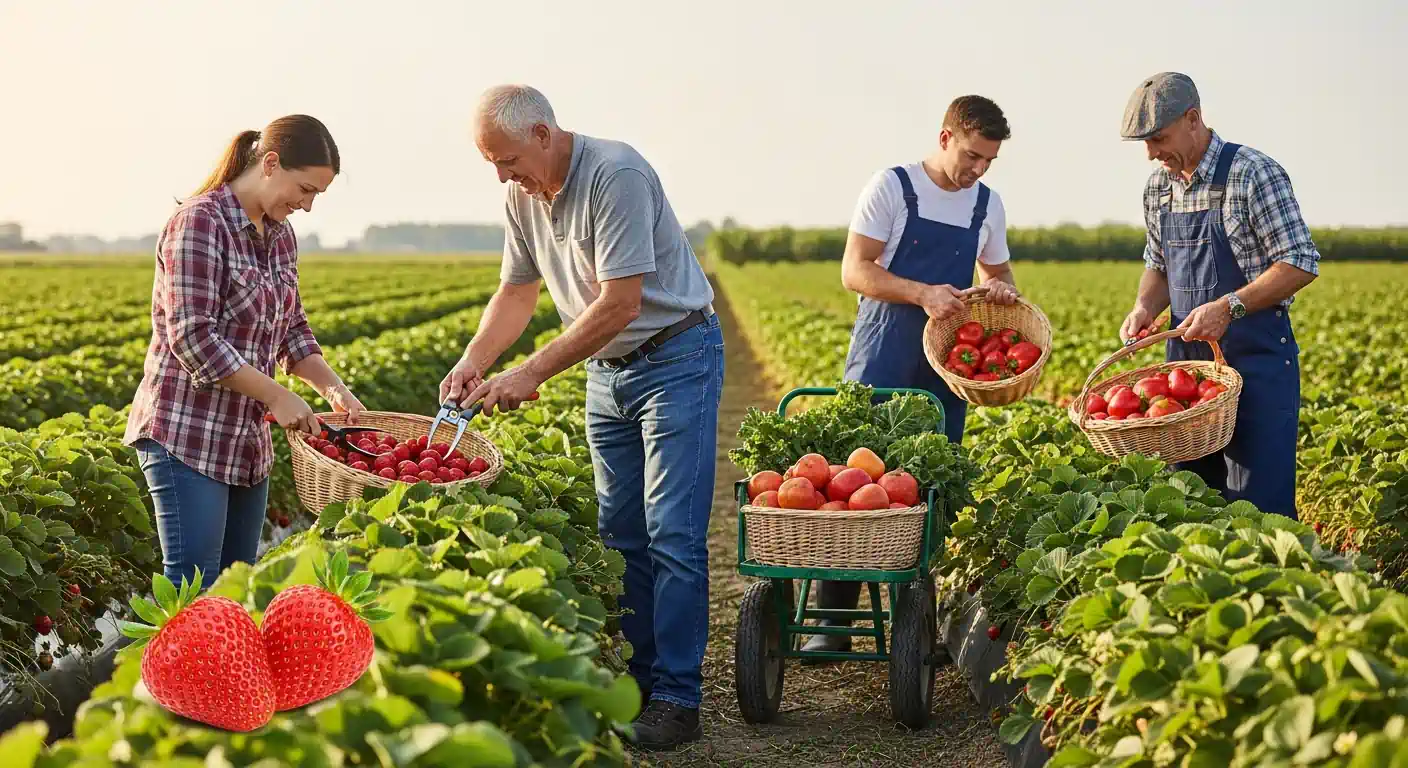
Preventing Common Plant Diseases: Best Practices for a Healthy and Resilient Garden
Cultivating a thriving garden means more than just providing water and sunlight; it requires a proactive approach to safeguard your plants from insidious diseases. Preventing common plant diseases is the cornerstone of successful gardening, ensuring vigorous growth, bountiful harvests, and a resilient ecosystem. From fungal infections to bacterial blights, these plant adversaries can quickly devastate your efforts if left unchecked. By understanding the common culprits and implementing strategic prevention techniques, you can foster a robust and healthy garden. This article delves into the best practices, offering practical advice for gardeners of all levels, with a special focus on hydroponic systems where unique challenges and solutions arise.
Key Points for Disease Prevention:
- Environmental Control: Manage temperature, humidity, and air circulation meticulously.
- Superior Hygiene: Sanitize tools and growing environments consistently.
- Smart Plant Choices: Opt for disease-resistant varieties and proper spacing.
- Balanced Nutrition: Ensure optimal nutrient levels for strong plant immunity.
- Early Detection: Regularly inspect plants to catch issues before they spread.
Understanding Plant Diseases: Why Prevention is Key
Plant diseases are primarily caused by pathogens like fungi, bacteria, viruses, and nematodes, which exploit weaknesses in plants to proliferate. These microscopic invaders can manifest as leaf spots, wilting, stunted growth, or even complete plant collapse. The economic and emotional toll of widespread disease can be significant, turning a verdant paradise into a struggle for survival. Proactive disease prevention is always more effective and sustainable than reactive treatment. Once a disease takes hold, it often becomes a battle of containment rather than complete eradication, especially in closely planted or recirculating systems like hydroponics.
A robust prevention strategy minimizes the need for chemical interventions, promoting a healthier environment for your plants, pollinators, and ultimately, your family. By focusing on creating an environment where diseases struggle to thrive, you build the inherent resilience of your garden.
Environmental Control: The Foundation of Disease Prevention
Controlling environmental factors is paramount in preventing common plant diseases. Many pathogens flourish under specific conditions, and manipulating these can significantly reduce disease pressure.
Proper Air Circulation and Humidity Management
Stagnant, humid air is a breeding ground for many fungal and bacterial diseases, such as powdery mildew and botrytis. Ensuring good air circulation is vital. For outdoor gardens, proper plant spacing allows for natural airflow. In greenhouses and indoor hydroponic setups, oscillating fans are indispensable. Aim for gentle air movement that rustles leaves slightly. Controlling humidity is equally critical; ideal levels typically range from 40-60% relative humidity for most plants. Excess humidity often leads to condensation on leaves, providing the moisture needed for spores to germinate. Implementing dehumidifiers or improving ventilation can drastically mitigate this risk.
Optimal Temperature and Light Exposure
Temperature extremes stress plants, making them more susceptible to disease. Most plants have an optimal temperature range for healthy growth. Similarly, adequate light exposure is crucial for photosynthesis and overall plant vigor. Insufficient light can weaken plants, while excessive heat can encourage certain heat-loving pathogens or cause physiological stress. For hydroponic growers, maintaining consistent temperature in the nutrient reservoir (typically 65-70°F or 18-21°C) is key, as fluctuating temperatures can stress roots and invite root rot pathogens.
Water Quality and Irrigation Practices
Water is the lifeblood of plants, but improper irrigation can be a disease vector. Overwatering creates anaerobic conditions in the root zone, inviting root rot, while inconsistent watering stresses plants. Always water at the base of the plant to keep foliage dry, especially during late afternoon or evening. For hydroponic systems, the quality of your water source is non-negotiable. Contaminants or high mineral content can stress plants. Furthermore, ensuring proper drainage and avoiding standing water in outdoor beds is as important as managing reservoir hygiene in hydroponics. Research from the International Hydroponics Association (2023) highlights that consistent pH and EC levels in nutrient solutions are critical for root health and disease resistance.
Hygienic Practices: Stopping Diseases Before They Start
Good sanitation is often overlooked but is a cornerstone of preventing common plant diseases. Pathogens can persist on tools, pots, and even residual plant debris.
Sanitation for Tools and Growing Mediums
Always clean and sterilize your gardening tools (pruners, shears, trowels) before and after use, especially when moving between different plants. A 10% bleach solution or rubbing alcohol works effectively. For hydroponic systems, regularly cleaning nutrient reservoirs, grow trays, and media (if reusable) prevents the buildup of biofilms and pathogens. This is a fundamental aspect of maintaining garden health in any growing environment. For instance, sterilizing rockwool cubes or coco coir between cycles with hydrogen peroxide can prevent the carryover of fungal spores.
Selecting Disease-Resistant Varieties
One of the easiest ways to bolster your garden's defenses is to choose plant varieties bred for resistance to common diseases. Seed packets and plant tags often indicate resistance with letters like "V" (Verticillium Wilt), "F" (Fusarium Wilt), or "T" (Tobacco Mosaic Virus). Investing in quality, disease-free seeds or starts from reputable suppliers minimizes introducing pathogens from the outset. This simple step significantly reduces your long-term efforts in disease management.
Smart Crop Rotation and Spacing
In traditional soil gardening, crop rotation breaks disease cycles by not allowing pathogens specific to one plant family to build up in the soil year after year. While not directly applicable to hydroponics, the principle of not replanting the same crop type in the same area repeatedly, or ensuring thorough system cleaning between cycles, still holds. Proper plant spacing is crucial for both air circulation and preventing the direct spread of diseases from plant to plant. Crowded plants compete for resources and create microclimates conducive to disease.
Nutrient Management and Soil Health for Resilient Plants
A well-fed plant is a strong plant. Balanced nutrition is vital for building plant immunity and preventing common plant diseases.
Balanced Fertilization
Plants require a specific balance of macro and micronutrients for optimal growth and to develop strong cell walls, which act as a physical barrier against pathogens. Over-fertilization, particularly with nitrogen, can lead to lush, soft growth that is more susceptible to pests and diseases. Under-fertilization weakens plants, making them vulnerable. Regularly test your soil (for outdoor gardens) or nutrient solution (for hydroponics) to ensure nutrient levels are balanced. Correcting deficiencies or excesses promptly can significantly enhance plant resilience.
The Role of Beneficial Microbes
A vibrant soil (or root zone in hydroponics) ecosystem, teeming with beneficial microbes, can be a powerful ally in disease prevention. These microbes compete with pathogens for resources, produce antimicrobial compounds, and even stimulate the plant's natural defense mechanisms. Incorporating compost tea, mycorrhizal fungi, or beneficial bacteria (like Bacillus subtilis) can enhance plant vigor and resistance. A study published in Plant Disease Journal (2024) demonstrated a significant reduction in root rot incidence in hydroponic basil when specific beneficial bacteria strains were introduced.
Integrated Pest Management: A Holistic Approach to Preventing Common Plant Diseases
Pests often act as vectors for diseases, transmitting viruses and bacteria as they feed. An Integrated Pest Management (IPM) strategy considers all aspects of pest control to minimize both pest and disease issues.
Regular Scouting and Early Detection
The most effective IPM strategy begins with frequent and thorough inspection of your plants. Look for subtle changes: discolored leaves, unusual spots, or the presence of tiny insects. Early detection allows for targeted, often organic, interventions before a problem escalates. A magnifying glass can be a gardener's best friend. Addressing problems when they are small is a key aspect of effective disease prevention techniques.
Organic Pest Control Strategies
Employing organic methods like neem oil sprays, insecticidal soaps, or introducing beneficial insects (e.g., ladybugs for aphids) can keep pest populations in check without resorting to harsh chemicals that might harm beneficial organisms or stress plants. These approaches are particularly valuable in organic pest and disease control strategies, fostering a balanced ecosystem where plants can thrive.
Advanced Strategies for Hydroponic Disease Prevention
Hydroponic systems, while efficient, present unique challenges and opportunities for disease prevention due to their closed-loop nature. Here, hydroponic plant disease prevention takes on critical importance.
One differentiated value in hydroponics is the precision with which environmental factors can be controlled. Beyond standard practices, consider:
- UV Sterilization and Filtration: Employing UV sterilizers in your nutrient reservoir can effectively kill waterborne pathogens before they reach your plants, a critical line of defense in recirculating systems. Advanced filtration systems can also remove particulate matter that might harbor spores. This proactive measure provides an extra layer of protection not easily replicated in soil.
- Specific Beneficial Microbes for Hydroponics: Research into specific strains of beneficial bacteria and fungi tailored for aquatic environments is rapidly expanding. These can be introduced directly into the nutrient solution to colonize the root zone and outcompete harmful pathogens. This offers a more targeted, biological approach to pathogen control compared to broad-spectrum treatments.
Future-Proofing Your Garden: Emerging Trends in Plant Health
The field of plant pathology is constantly evolving, bringing new tools and insights for preventing common plant diseases.
- Biocontrol Agents: Beyond beneficial microbes, research is accelerating on using specific predatory mites, nematodes, or even viruses that target plant pathogens. These highly specific biological controls offer a sustainable future for disease management.
- Precision Monitoring and AI: The integration of sensors and artificial intelligence is allowing gardeners to monitor environmental conditions, nutrient levels, and even early signs of stress with unprecedented accuracy. Smart garden systems can alert growers to potential issues before they become visible to the human eye, enabling preventative action. This represents a significant leap in early detection plant disease signs.
Frequently Asked Questions (FAQ)
What are the most common initial signs of plant disease?
Initial signs of plant disease often include subtle changes like discolored spots (yellow, brown, black) on leaves, wilting despite adequate watering, stunted growth, unusual growths or cankers, and powdery or fuzzy patches. Observing your plants closely and frequently is key to catching these early indicators before the disease progresses and becomes more difficult to manage.
Can organic gardening methods truly prevent all plant diseases?
While organic methods significantly reduce disease risk by promoting plant health and ecological balance, no method can guarantee 100% prevention of all plant diseases. However, a holistic organic approach—combining healthy soil, strong plant immunity, proper hygiene, and pest control—creates a resilient environment where plants are inherently less susceptible to common pathogens.
How does hydroponics change disease prevention strategies?
Hydroponics eliminates soil-borne pathogens, but introduces new considerations like waterborne diseases and rapid spread through recirculating nutrient solutions. Prevention in hydroponics emphasizes rigorous sanitation, sterile growing media, precise environmental control, consistent nutrient management, and water sterilization (e.g., UV treatment). The closed system demands vigilance against root-borne infections.
What's the role of beneficial microbes in disease resistance?
Beneficial microbes play a crucial role by colonizing plant roots, competing with harmful pathogens for space and resources, and producing antimicrobial compounds. They can also enhance a plant's nutrient uptake and trigger its natural defense mechanisms, making the plant more resistant to infections. Introducing these microbes, especially in hydroponics, significantly boosts overall plant resilience.
Cultivate a Resilient Garden Today!
Preventing common plant diseases is an ongoing journey of learning and adaptation, but one that richly rewards with lush, vibrant plants. By consistently applying these best practices – from maintaining optimal environmental conditions and practicing rigorous hygiene to employing smart plant choices and fostering beneficial microbial life – you empower your garden to resist disease and thrive.
Start implementing these disease prevention techniques today and watch your garden transform into a bastion of health and productivity. Share your successes and challenges in the comments below! For further reading, explore our articles on understanding-plant-nutrition-the-hydroponic-advantage for optimizing nutrient delivery, and sustainable-pest-management-in-hydroponic-systems for comprehensive pest control. You can also delve deeper into general hydroponic care by visiting our Hydroponic Growing Methods category page.