Organic Vegetable Planting: Grow Healthier Food at Home
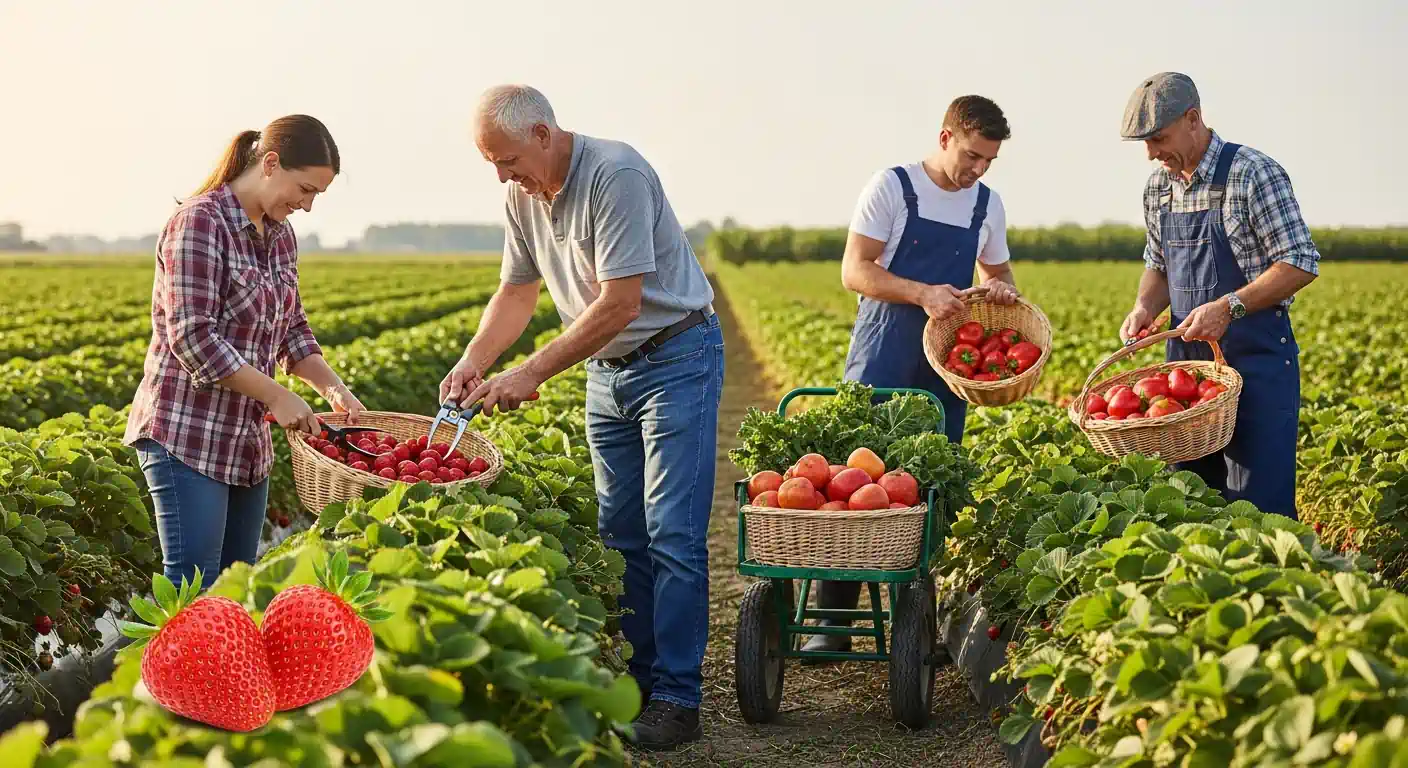
Embarking on the journey of organic vegetable planting is a rewarding experience, offering a direct connection to the food you consume and a significant step towards a healthier lifestyle. Growing your own vegetables organically means you control what goes into the soil and onto your produce, avoiding synthetic pesticides, herbicides, and fertilizers. This not only results in fresher, more nutrient-dense food but also contributes to a healthier environment. This guide will walk you through the essential steps to successfully start your own organic vegetable garden, ensuring a bountiful and sustainable harvest right at your doorstep.
Key Points:
- Healthier Produce: Avoid harmful chemicals for nutritious food.
- Environmental Benefits: Support soil health and biodiversity.
- Cost Savings: Reduce grocery bills with homegrown edibles.
- Seasonal Awareness: Connect with nature's growing cycles.
- Sustainable Practices: Build a self-sufficient food source.
Why Choose Organic Vegetable Planting?
The decision to grow vegetables organically is driven by a desire for superior quality produce and a commitment to sustainable living. Unlike conventional farming methods that often rely on chemical interventions, organic gardening focuses on nurturing the soil and promoting natural ecosystems. This approach yields vegetables that are not only free from synthetic residues but are also believed to be richer in certain vitamins and antioxidants. Furthermore, by choosing organic, you actively participate in protecting local ecosystems, conserving water, and reducing your carbon footprint. It’s about more than just food; it's about cultivating a healthier planet.
Key Benefits of Organic Gardening:
- Improved Soil Health: Organic practices like composting and cover cropping build rich, fertile soil, enhancing its structure and water retention capabilities.
- Enhanced Biodiversity: Organic gardens attract beneficial insects, birds, and other wildlife, creating a balanced ecosystem.
- Reduced Chemical Exposure: Growing organically eliminates the risk of ingesting harmful pesticides and herbicides often found on conventionally grown produce.
- Better Flavor and Nutrition: Many gardeners report that organically grown vegetables have a more intense, natural flavor and superior nutritional value.
- Water Conservation: Healthy organic soil acts like a sponge, requiring less frequent watering.
Getting Started with Organic Vegetable Planting
The foundation of a successful organic vegetable garden lies in careful planning and preparation. Before you even think about seeds or seedlings, consider your local climate, the amount of sunlight your chosen site receives, and the types of vegetables that thrive in your region. Understanding these factors will significantly increase your chances of a bountiful harvest.
1. Site Selection: The Crucial First Step
Most vegetables require at least 6-8 hours of direct sunlight per day. Observe your yard throughout the day to identify the sunniest spots. Proximity to a water source is also a critical consideration for easy irrigation. Ensure the chosen area has good drainage; waterlogged soil can lead to root rot and disease. Avoid areas with heavy foot traffic or potential contamination from nearby industrial sites or heavily trafficked roads.
2. Soil Preparation: The Heart of Organic Gardening
Healthy soil is paramount in organic vegetable planting. Rich, loamy soil is ideal, but most soil types can be improved.
- Testing Your Soil: Before adding amendments, consider a soil test. This will reveal your soil's pH level and nutrient deficiencies, guiding your amendments effectively. Local extension offices often provide affordable soil testing services.
- Amending the Soil: The cornerstone of organic soil improvement is organic matter.
- Compost: Incorporate well-rotted compost generously. It improves soil structure, fertility, and water retention.
- Aged Manure: Cow, chicken, or horse manure, when properly composted, adds essential nutrients and improves soil texture.
- Cover Crops: Planting cover crops like clover or vetch during the off-season and tilling them in before planting vegetables adds nitrogen and organic matter.
- No-Till or Minimum-Till Methods: To preserve soil structure and the beneficial microbial life within it, consider adopting no-till or minimum-till gardening practices. This involves adding amendments to the surface and allowing soil organisms to incorporate them naturally.
3. Choosing Your Organic Vegetables
Selecting the right vegetables for your climate and space is essential. Consider what your family enjoys eating and what grows well in your region.
- Beginner-Friendly Options: For new organic gardeners, start with easy-to-grow vegetables like leafy greens (lettuce, spinach), radishes, bush beans, zucchini, and tomatoes.
- Consider Your Climate: Some vegetables, like peppers and eggplants, need warmth, while others, like peas and broccoli, prefer cooler temperatures. Research your USDA Plant Hardiness Zone for guidance.
- Succession Planting: To ensure a continuous harvest, plan for succession planting. This involves sowing seeds or transplanting seedlings of the same crop at staggered intervals throughout the growing season.
- Companion Planting: Certain plant pairings can benefit your garden. For instance, planting basil with tomatoes is thought to deter pests. Researching companion planting can enhance your organic vegetable planting strategy.
4. Sourcing Organic Seeds and Seedlings
When embarking on organic vegetable planting, it’s crucial to start with certified organic seeds and seedlings. This ensures that the plants you grow have been cultivated without prohibited substances from the beginning. Look for reputable seed companies that specialize in organic and heirloom varieties. Heirloom seeds often offer unique flavors and characteristics and contribute to biodiversity conservation.
Essential Organic Gardening Techniques
Once your garden is established, adopting organic techniques will ensure its continued health and productivity. These methods focus on working with nature rather than against it.
1. Natural Pest and Disease Management
Organic pest control relies on prevention and the use of natural remedies.
- Healthy Plants: The best defense against pests and diseases is a healthy, vigorous plant grown in nutrient-rich soil.
- Beneficial Insects: Encourage beneficial insects like ladybugs, lacewings, and predatory wasps that feed on common garden pests. Planting flowers like marigolds, dill, and fennel can attract these allies.
- Crop Rotation: Rotating the crops you plant in specific areas each year helps prevent the build-up of soil-borne diseases and pests.
- Handpicking Pests: For larger pests like slugs, snails, and tomato hornworms, manual removal is often the most effective and organic solution.
- Organic Sprays: If necessary, use organic sprays like neem oil, insecticidal soap, or Bacillus thuringiensis (Bt) sparingly and according to instructions.
- Companion Planting: As mentioned earlier, certain plants can naturally repel pests. For example, garlic and onions can deter aphids.
2. Organic Fertilization
While compost and aged manure provide a steady release of nutrients, some plants may benefit from additional organic feeding.
- Compost Tea: A liquid fertilizer brewed from compost, it provides readily available nutrients and beneficial microbes.
- Worm Castings: Rich in nutrients and beneficial microorganisms, worm castings are an excellent soil amendment and gentle fertilizer.
- Fish Emulsion and Seaweed Extract: These provide a broad spectrum of nutrients and trace minerals, promoting plant vigor. Use as directed, as some can have a strong odor.
- Slow-Release Organic Fertilizers: Available at garden centers, these are derived from natural materials and release nutrients gradually.
3. Watering Wisely
Proper watering is critical for healthy plant growth and preventing diseases.
- Deep Watering: Water deeply and less frequently to encourage strong root development. Aim to moisten the soil several inches down.
- Morning Watering: Water in the early morning to allow foliage to dry before evening, reducing the risk of fungal diseases.
- Drip Irrigation or Soaker Hoses: These methods deliver water directly to the plant roots, minimizing water waste through evaporation and keeping foliage dry.
- Mulching: Applying a layer of organic mulch (straw, shredded leaves, wood chips) around plants helps retain soil moisture, suppress weeds, and regulate soil temperature.
Differentiated Value: Maximizing Your Organic Harvest
Beyond the basics of organic vegetable planting, several advanced strategies can significantly enhance your yields and plant health, setting your garden apart.
1. Biointensive Gardening Principles
Biointensive gardening focuses on maximizing yield in a small space while improving soil health simultaneously. Developed by John Jeavons, this method emphasizes:
- Deep Soil Preparation: Digging beds deeply (12-24 inches) creates optimal conditions for root growth and water infiltration.
- Close Spacing: Planting crops closer together than traditionally recommended increases yield per square foot. This is possible due to the enriched soil and efficient use of resources.
- Companion Planting and Diversity: Integrating a wide variety of crops, including beneficial flowers and herbs, creates a more resilient ecosystem.
- Composting as a Primary Amendment: Continuous composting is central to replenishing nutrients and building healthy soil over time.
According to research from Eliot Coleman, a renowned organic farmer and author, highly fertile soil is key to productive, disease-resistant crops. His work highlights that by focusing on soil biology and continuous feeding, gardeners can achieve impressive yields even in challenging conditions. This approach aligns with the principles of permaculture, aiming for a self-sustaining and productive garden system.
2. Incorporating Mycorrhizal Fungi
Mycorrhizal fungi are naturally occurring soil microorganisms that form a symbiotic relationship with plant roots. They extend the plant's root system, greatly enhancing its ability to absorb water and nutrients, particularly phosphorus.
- Benefits: Improved nutrient uptake, increased drought tolerance, better disease resistance, and enhanced plant vigor.
- Application: Mycorrhizal inoculants can be purchased and applied directly to seeds, seedlings, or incorporated into the soil during planting.
- Evidence: Studies published in journals like Mycorrhiza (recent research from 2023-2025) consistently demonstrate significant improvements in plant growth and stress tolerance when mycorrhizal fungi are present. This natural partnership is a powerful, yet often overlooked, tool for organic vegetable planting.
Frequently Asked Questions About Organic Vegetable Planting
Q1: What are the biggest challenges when starting an organic vegetable garden? A1: Common challenges include managing pests and diseases without chemicals, building soil fertility effectively, and ensuring adequate sunlight and water. Patience and a willingness to learn from observations are key.
Q2: How do I know if my soil is healthy enough for organic planting? A2: Healthy organic soil is typically dark, crumbly, and has a pleasant earthy smell. It should drain well but also retain moisture. A soil test can provide a precise assessment of nutrient levels and pH.
Q3: Can I grow organic vegetables in containers? A3: Absolutely! Container gardening is an excellent option for small spaces. Use a high-quality organic potting mix and ensure containers have good drainage. Choose compact or dwarf varieties of vegetables.
Q4: How often should I fertilize my organic vegetable plants? A4: This depends on your soil's fertility and the specific plants. Generally, incorporating compost at planting and supplementing with organic fertilizers or compost tea every 4-6 weeks during the growing season is sufficient.
Conclusion and Next Steps
Organic vegetable planting is an accessible and incredibly rewarding endeavor. By focusing on soil health, sustainable practices, and natural solutions, you can cultivate a garden that not only provides delicious, healthier food but also contributes positively to your environment. Start small, observe your plants, and don't be afraid to experiment. The journey of growing your own organic food is a continuous learning process, bringing immense satisfaction and a deeper connection to nature.
Ready to dig in? Consider starting with a simple raised bed and a few of your favorite easy-to-grow vegetables. Explore local resources for organic compost and seeds.
What are your favorite organic vegetables to grow? Share your tips and experiences in the comments below!
To further your knowledge, you might find our articles on composting techniques and natural pest deterrents helpful. For those interested in extending their growing season, learning about season extension methods can be beneficial.