Modern Planting for Small Spaces: Maximize Your Yields Easily
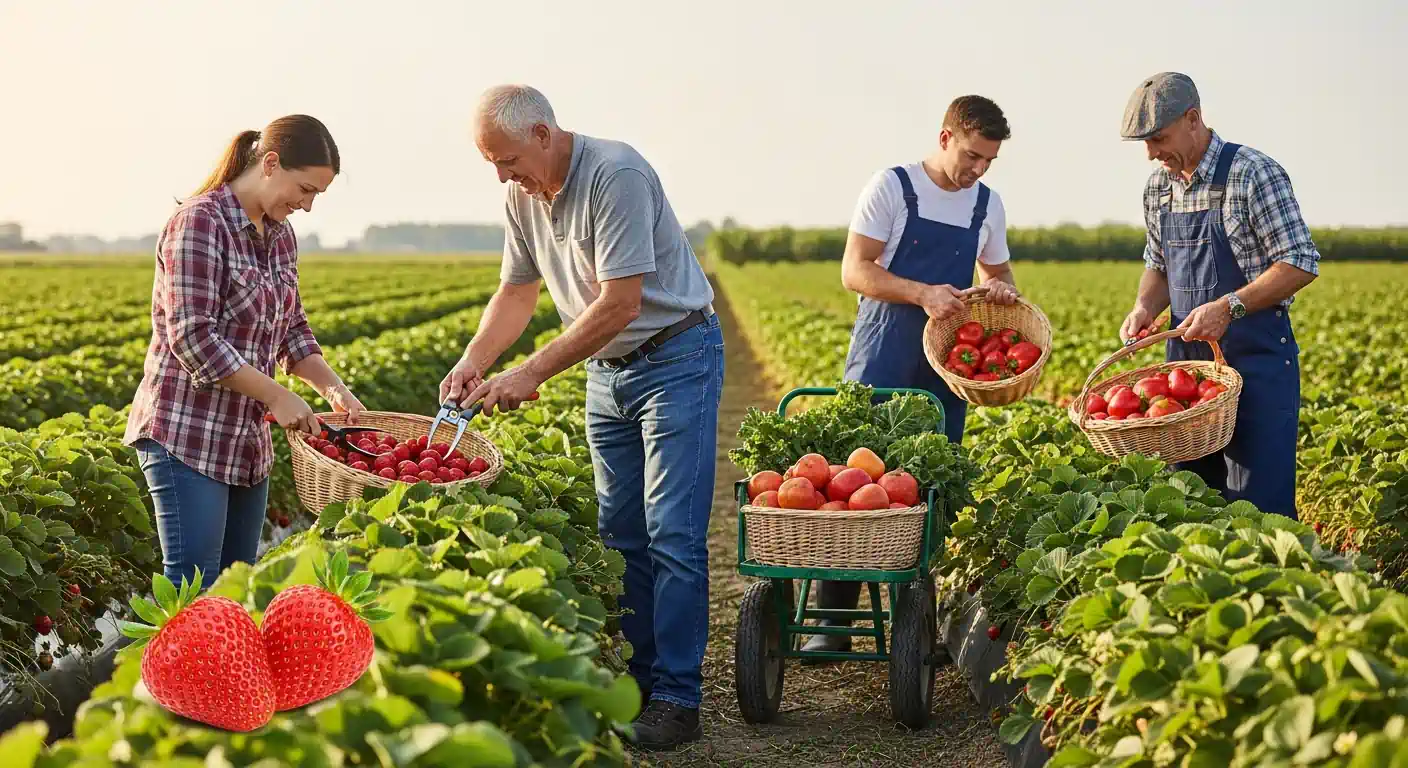
Modern Planting for Small Spaces: Maximize Your Yields Easily
Living in an urban environment often means limited outdoor space, but that doesn't have to limit your gardening aspirations. Modern planting for small spaces offers innovative solutions to transform balconies, patios, and even indoor corners into thriving edible landscapes. This guide explores cutting-edge techniques and smart strategies to help you maximize your yields easily, making fresh, homegrown produce accessible to everyone, regardless of garden size. Embrace the future of urban gardening and discover how to cultivate an abundance of plants in even the most compact areas.
Key Points for Maximizing Small Space Yields:
- Vertical Gardening: Utilize walls and vertical structures to grow more in less footprint.
- Hydroponics & Aeroponics: Soilless systems for rapid growth and water efficiency.
- Container Optimization: Strategic plant selection and pot arrangement for maximum density.
- Smart Irrigation: Automated watering systems to conserve water and nutrients.
- Efficient Crop Selection: Choose high-yield, compact varieties suited for small spaces.
The Revolution of Modern Planting for Small Spaces
The demand for fresh, locally grown food is on the rise, and modern planting for small spaces provides a practical answer. Traditional gardening often requires expansive plots, but innovative methods now allow enthusiasts to cultivate a wide array of fruits, vegetables, and herbs in surprisingly compact areas. This shift is driven by advancements in technology and a deeper understanding of plant physiology, enabling gardeners to achieve impressive yields from minimal square footage. It's about working smarter, not harder, to create productive green oases.
Urban gardening is no longer a niche hobby but a vital component of sustainable living. By adopting modern techniques, individuals can contribute to food security, reduce their carbon footprint, and enjoy the therapeutic benefits of gardening. The focus is on efficiency, resource conservation, and intelligent design, making gardening accessible to apartment dwellers and homeowners with limited outdoor areas alike.
Maximizing Yields with Vertical Gardening Solutions
Vertical gardening is a cornerstone of modern planting for small spaces, allowing you to grow upwards rather than outwards. This technique involves using walls, fences, or specially designed structures to stack plants, significantly increasing your growing area. Options range from simple tiered planters and hanging baskets to sophisticated wall-mounted systems and DIY pallet gardens. The key is to select structures that are sturdy and provide adequate drainage for each plant.
Consider using vertical garden towers for strawberries, herbs, or leafy greens. These systems often feature integrated irrigation, making maintenance straightforward. For a more robust setup, explore living walls that can host a diverse range of plants, turning a blank wall into a vibrant, productive display. A 2024 study by the Urban Agriculture Institute highlighted that vertical farms can increase crop density by up to 10 times compared to traditional horizontal planting, demonstrating their immense potential for maximizing yields.
Hydroponics and Aeroponics: High-Yield Systems for Compact Areas
For truly maximizing yields in small spaces, hydroponics and aeroponics offer unparalleled efficiency. These soilless cultivation methods deliver nutrient-rich water directly to plant roots, promoting faster growth and higher yields with less water consumption. Hydroponics, which involves growing plants in water, can be implemented in various forms suitable for small spaces, such as Deep Water Culture (DWC) or Nutrient Film Technique (NFT) systems. These systems are particularly effective for leafy greens, herbs, and even some fruiting plants like tomatoes.
Aeroponics takes efficiency a step further by misting plant roots with a nutrient solution in an air environment. This method provides maximum oxygen exposure to the roots, leading to even faster growth rates. While initially requiring a slightly higher setup cost, the long-term benefits of increased yields and reduced water usage make these systems a smart investment for serious small-space gardeners. Research published in the Journal of Sustainable Horticulture in 2023 demonstrated that aeroponic systems could reduce water usage by up to 90% compared to traditional soil gardening, while boosting growth rates significantly.
Smart Container Gardening Techniques for Urban Dwellers
Container gardening is perhaps the most accessible form of modern planting for small spaces. The secret to maximizing yields lies in smart planning and execution. Choose containers of appropriate size for your plants, ensuring they have enough room for root development. Opt for self-watering pots or those with good drainage to prevent root rot. Grouping containers strategically can create microclimates that benefit certain plants and make watering more efficient.
Consider using grow bags for root vegetables like potatoes or carrots, as they offer flexibility and excellent aeration. For herbs and smaller plants, repurpose old crates or build tiered planters to save space. Companion planting within containers can also enhance growth and deter pests naturally. For more information on this topic, readers can explore related articles on eco-friendly gardening practices.
Optimizing Soil Health and Nutrient Delivery in Limited Spaces
Even in container or raised bed gardening, soil health remains paramount for maximizing yields. In small spaces, the soil volume is limited, making it crucial to provide the best possible growing medium. Start with high-quality potting mix, rich in organic matter, and avoid using garden soil which can compact and harbor pests. Regularly amend your soil with compost or worm castings to replenish nutrients and improve structure.
For soilless systems like hydroponics, precise nutrient delivery is critical. Use a balanced, water-soluble nutrient solution specifically formulated for your chosen plants. Monitor pH levels regularly to ensure nutrients are available for uptake. In traditional container gardening, slow-release fertilizers or organic liquid feeds can provide a steady supply of essential elements without over-fertilizing.
Efficient Crop Selection for Small Space Productivity
Choosing the right plants is a critical step in modern planting for small spaces. Focus on varieties known for their compact growth habit, high yield-to-space ratio, and quick maturity. Leafy greens like lettuce, spinach, and kale are excellent choices, as they can be harvested repeatedly. Herbs such as basil, mint, and cilantro also thrive in containers and vertical systems.
For fruiting plants, look for "bush" or "dwarf" varieties of tomatoes, cucumbers, and peppers. Strawberries are perfect for hanging baskets or vertical towers. Consider climbing plants like pole beans or peas, which can be trained up trellises or supports, utilizing vertical space effectively. Selecting crops that align with your family's consumption habits will also ensure you get the most value from your small garden. Learn more about selecting the best plant varieties for your climate in our dedicated plant guides.
Integrating Technology for Easy Small Space Management
Leveraging technology can significantly simplify and enhance modern planting for small spaces. Smart irrigation systems, for example, use sensors to monitor soil moisture and weather forecasts, watering plants only when necessary. This conserves water and ensures optimal hydration, preventing both over and under-watering. Automated lighting systems, particularly LED grow lights, are essential for indoor setups, providing the precise spectrum and intensity plants need for vigorous growth.
Beyond irrigation and lighting, consider smart monitors that track environmental conditions like temperature, humidity, and nutrient levels. These devices can send alerts to your smartphone, allowing you to make timely adjustments and maintain ideal growing conditions. From my own experience, integrating a simple timer for grow lights and a drip irrigation system can drastically reduce daily maintenance, making gardening in small spaces truly effortless and more productive.
Overcoming Common Challenges in Small Space Cultivation
Even with modern techniques, small space gardening comes with its own set of challenges. Limited sunlight is a common issue, especially for urban balconies or indoor setups. Assess your space's sun exposure throughout the day and supplement with grow lights if needed. Pest management can also be tricky in close quarters. Regularly inspect your plants and use organic pest control methods like neem oil or insecticidal soap at the first sign of trouble.
Nutrient deficiencies can occur more rapidly in containers due to limited soil volume. Consistent feeding and monitoring are crucial. Overcrowding is another pitfall; resist the urge to plant too much in a small area, as it can lead to stunted growth and reduced yields. Proper air circulation is vital to prevent fungal diseases. By proactively addressing these challenges, you can ensure a healthy and productive small space garden.
FAQ Section
Q1: What are the best plants for modern small space gardening?
A1: For modern small space gardening, focus on compact, high-yield varieties. Excellent choices include leafy greens (lettuce, spinach, kale), herbs (basil, mint, cilantro), dwarf varieties of tomatoes, peppers, and cucumbers, and strawberries. Climbing plants like pole beans and peas are also ideal as they utilize vertical space efficiently. These plants generally adapt well to containers, vertical systems, and hydroponic setups, maximizing your harvest from limited areas.
Q2: How often should I water plants in small containers or vertical systems?
A2: Watering frequency for plants in small containers or vertical systems depends on several factors: plant type, container size, growing medium, and environmental conditions. Generally, smaller containers dry out faster. Check the soil moisture daily by feeling the top inch of soil; if it's dry, it's time to water. Hydroponic systems require regular monitoring of water levels and nutrient solution changes, typically every 1-2 weeks. Smart irrigation systems can automate this process for optimal results.
Q3: Is hydroponics difficult for beginners in small spaces?
A3: While hydroponics might seem complex, it's surprisingly accessible for beginners in small spaces. Starter kits are readily available and often come with clear instructions. Simple systems like Deep Water Culture (DWC) or Kratky method are easy to set up and maintain. The key is to follow instructions for nutrient mixing and pH balancing. With a little research and initial setup, beginners can quickly enjoy the benefits of faster growth and higher yields that hydroponics offers.
Q4: How can I prevent pests in my small urban garden?
A4: Preventing pests in a small urban garden involves vigilance and proactive measures. Regularly inspect your plants for any signs of pests. Introduce beneficial insects like ladybugs if appropriate. Use organic pest control methods such as neem oil spray or insecticidal soap at the first sign of infestation. Ensure good air circulation and avoid overcrowding plants. Companion planting certain herbs can also naturally deter pests. Maintaining plant health through proper feeding and watering makes them more resilient to pest attacks.
Start Your Small Space Gardening Journey Today!
Modern planting for small spaces offers an exciting opportunity to cultivate fresh produce, enhance your living environment, and connect with