Mastering Succession Planting: Continuous Harvests Through Smart Crop Rotation
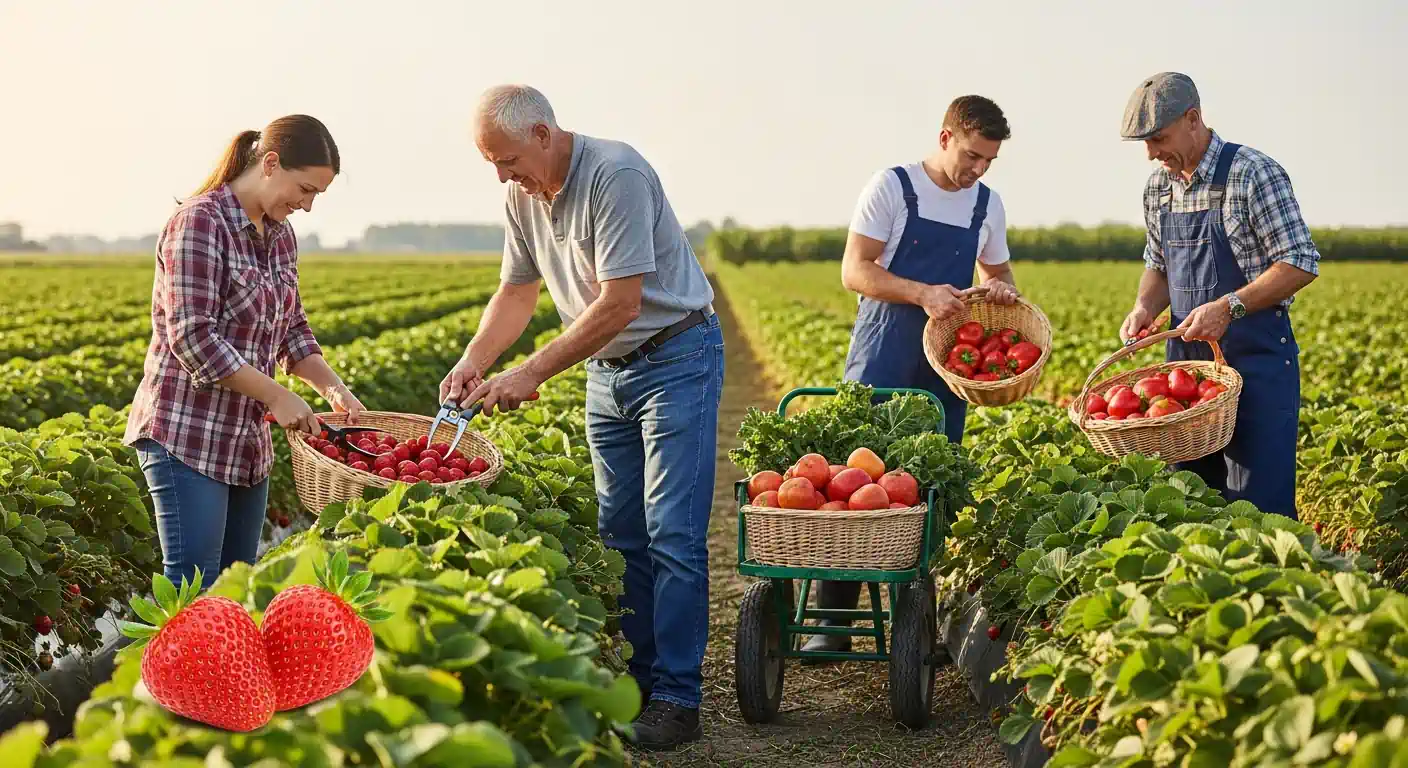
Mastering Succession Planting: Your Guide to Continuous Garden Harvests
Imagine a garden that consistently offers fresh produce, not just in a single burst, but throughout the entire growing season. This dream becomes a reality with mastering succession planting and integrating smart crop rotation strategies. These powerful gardening techniques allow you to maximize your garden's output, enhance soil health, and enjoy a diverse array of vegetables and herbs from spring to fall, and even into winter. This guide will walk you through the principles and practices to transform your gardening efforts into a sustained harvest engine.
Key Points for Continuous Harvests:
- Staggered Planting: Sow seeds or plant starts at intervals for continuous readiness.
- Crop Rotation: Cycle different plant families through garden beds to maintain soil fertility and health.
- Intensive Use: Maximize garden space by quickly replanting harvested areas.
- Diverse Varieties: Experiment with early, mid, and late-season cultivars.
- Soil Health Focus: Prioritize nutrient-rich soil to support multiple plantings.
Understanding the Core Principles of Succession Planting
Succession planting is an art and science that ensures you always have something growing, maturing, and ready for harvest. It's about strategically timing your plantings to avoid gluts and gaps in your produce supply. By understanding and implementing this method, gardeners can significantly increase their yield from a given space, making even small gardens incredibly productive.
What is Succession Planting?
At its heart, succession planting involves a series of plantings rather than a single large one. Instead of planting all your lettuce seeds at once, you might plant a small batch every two to three weeks. This ensures a steady supply of fresh lettuce rather than a massive harvest that must be consumed or preserved quickly. The goal is a continuous harvest, keeping your kitchen well-stocked with home-grown goodness. This technique also helps mitigate risks; if one planting fails due to pests or weather, another is always coming along.
Types of Succession Planting Strategies
Several approaches fall under the umbrella of succession planting, each suited for different garden sizes and crop types. Staggered planting is perhaps the most common, involving sowing small quantities of the same crop every few weeks. For example, planting snap peas every 10-14 days will provide a longer harvesting window. Another strategy is relay planting, where a second crop is sown before the first one is fully harvested. This is often seen with fast-growing crops like radishes or spinach, tucked between slower-growing plants such as tomatoes.
A third method, intercropping or companion planting with succession, involves planting different crops together, where one is harvested, making space for the others to continue growing. For instance, you might plant quick-maturing lettuce between slower-growing kale plants. Once the lettuce is picked, the kale has more room to expand. Harvest and replant is straightforward: as soon as one crop is completely harvested, another is planted in its place. This is especially effective with short-season crops like bush beans or cilantro. The key is to match crop growth cycles to your climate and desired harvest window.
Integrating Smart Crop Rotation for Sustainable Yields
While succession planting focuses on when to plant, smart crop rotation addresses where to plant. These two strategies work hand-in-hand to maintain long-term soil health and garden productivity. By rotating crops, you prevent the buildup of specific pests and diseases and ensure a balanced nutrient profile in your soil, which is vital for continuous harvests.
Why Crop Rotation is Crucial
Crop rotation is fundamental to organic and sustainable gardening. Different plant families draw different nutrients from the soil and are susceptible to different pests and diseases. For instance, heavy feeders like corn and broccoli deplete nitrogen, while legumes (beans, peas) fix nitrogen back into the soil. Planting the same crop in the same spot year after year can lead to nutrient depletion, a buildup of specific pathogens, and increased pest pressure. Poor soil health directly impacts crop vigor and yield, making smart rotation indispensable. A 2024 review from the Journal of Sustainable Agriculture emphasized that crop rotation, especially when tailored to specific soil types, can reduce pest incidence by up to 30% and improve soil organic matter content.
Designing Your Crop Rotation Plan
A practical crop rotation plan often involves dividing your garden into sections and rotating plant families annually. A common four-year rotation might look like this:
- Legumes/Nitrogen-Fixers (beans, peas)
- Leafy Greens/Brassicas (lettuce, spinach, cabbage, broccoli)
- Root Crops (carrots, potatoes, beets)
- Fruiting Crops (tomatoes, peppers, squash, corn)
It's important to remember that individual garden needs may vary, but this framework provides a solid starting point. Keep detailed records of what you plant where each year. This makes future planning much easier and allows you to learn from your successes and challenges. For example, after a heavy-feeding fruiting crop, follow it with nitrogen-fixing legumes to naturally replenish the soil. Planning your rotation in advance can significantly boost your garden's long-term health and productivity. For more insights on this foundational aspect, you might find valuable information in /articles/understanding-soil-health-for-sustainable-gardening.
Advanced Techniques for Optimizing Your Succession Planting Schedule
Moving beyond the basics, advanced gardeners can fine-tune their succession planting strategies for even greater efficiency and yield. These techniques often incorporate a deeper understanding of plant physiology, local microclimates, and modern monitoring tools.
Leveraging Plant Growth Monitoring for Precision
One of the most significant advancements in optimizing succession planting schedules comes from leveraging plant growth monitoring technology. Traditional methods rely on calendar dates, but real-time data provides a much more accurate picture of when to plant and harvest. Soil moisture sensors, temperature probes, and even light meters can provide invaluable data points. For instance, knowing the exact soil temperature allows for optimal seed germination, reducing wasted seeds and time. A market garden in Vermont, documented in the 2023 "Sustainable Farming Practices Review," successfully increased its season length by 6 weeks using a multi-crop succession system combined with early variety trials and data-driven planting decisions.
This level of precision helps determine the ideal moment to plant the next succession, ensuring seedlings aren't put into stressed environments. By monitoring growth rates, you can also predict harvest times more accurately, improving your ability to plan subsequent plantings. For gardeners looking to integrate such tools, exploring resources under /categories/plant-monitoring can offer profound insights into optimizing your efforts.
Companion Planting and Succession
Integrating companion planting with succession strategies can enhance your garden's overall health and productivity. Certain plants grow better together, either by deterring pests, attracting beneficial insects, or improving soil conditions. For instance, planting marigolds (pest deterrent) alongside your succession of carrots or adding nitrogen-fixing beans with corn not only provides complementary growth benefits but also opens up possibilities for staggered planting in the same area. As one crop is harvested, the companion plant continues to thrive, maintaining the soil's ecosystem and preparing it for the next succession. This integrated approach creates a more resilient and self-sustaining garden environment.
Seasonal Adaptations and Microclimates
Understanding your local microclimates and seasonal shifts is crucial for truly mastering succession planting. What works in a sunny, sheltered spot might not work in a shady, exposed area. Pay attention to how different parts of your garden warm up in spring and cool down in fall. For example, using cold frames or low tunnels can extend the season for cool-season crops, allowing for earlier spring successions and later fall plantings. Similarly, strategically using shade cloth can prolong the harvest of heat-sensitive crops like lettuce into the warmer months. Adapting your planting schedule to these subtle environmental cues maximizes your chances of a successful, continuous harvest.
Common Challenges and Troubleshooting in Succession Gardening
Even with careful planning, succession planting can present challenges. Being prepared to troubleshoot these issues ensures your efforts lead to bountiful rewards.
Pest and Disease Management
With continuous cropping, managing pests and diseases becomes even more critical. Constant plantings can create an environment where pests might thrive if not controlled. Integrated Pest Management (IPM) strategies are essential. This includes regular scouting for pests, using organic controls like neem oil or insecticidal soap, and encouraging beneficial insects. Good crop rotation is your first line of defense, breaking pest and disease cycles. However, if a problem arises in one succession, consider what you plant next in that spot. Perhaps a crop that is resistant to the specific pest or disease. Learn more about proactive strategies in /articles/pest-and-disease-management-organic-strategies.
Nutrient Depletion and Soil Health
Repeatedly growing crops in the same bed, even with rotation, can eventually lead to nutrient depletion. This is why enriching your soil is non-negotiable. Consistent application of compost, balanced organic fertilizers, and cover crops during fallow periods are crucial. Regularly conducting soil tests (every 2-3 years) will give you precise information on your soil's nutrient levels and pH, allowing you to amend it accurately. Healthy, vibrant soil is the foundation of successful succession planting and continuous harvests. Don't skimp on giving your soil the nourishment it needs to support multiple plant cycles.
Frequently Asked Questions About Succession Planting
Q1: What are the best crops for succession planting?
Succession planting works best with fast-growing, relatively compact crops. Excellent choices include leafy greens like lettuce, spinach, arugula, and kale. Radishes, bush beans, carrots, beets, and cilantro are also ideal. For longer seasons, you can succession plant cucumbers, squash, and even some varieties of corn, though these require more space. The key is to choose varieties with shorter days to maturity and to plant in small, manageable batches.
Q2: How do I plan for crop rotation in a small garden?
For small gardens, divide your space into 3-4 distinct zones, even if they are small. Assign each zone to a different plant family group (e.g., legumes, root crops, leafy greens, fruiting crops). Rotate these groups to a different zone each year. If space is very limited, focus on rotating crops within the same family every season or two, and prioritize amending the soil with compost and organic matter after each harvest to replenish nutrients.
Q3: Can succession planting extend my growing season in colder climates?
Yes, absolutely! Succession planting combined with season extension techniques can significantly lengthen your growing season in colder climates. Start cool-season crops indoors earlier in spring, use cold frames or row covers to protect early and late plantings from frost, and select cold-hardy varieties. Similarly, plant heat-tolerant crops strategically in the summer. These combined efforts allow for a much longer period of continuous harvests.
Q4: What's the biggest mistake beginners make with succession planting?
The biggest mistake beginners often make is over-planting. It's tempting to plant too much at once, leading to an overwhelming harvest followed by a period of nothing. Start small, planting just enough for your family's needs for a 2-3 week period. Also, forgetting to prepare the next bed for planting in advance can cause delays and break the continuous cycle. Consistent, smaller plantings are more effective than sporadic, large ones.
Start Your Journey to Continuous Harvests Today!
Mastering succession planting with smart crop rotation is a rewarding endeavor that promises a more productive, resilient, and delicious garden. By consistently applying these principles, you'll not only enjoy a steady supply of fresh produce but also cultivate healthier soil and a deeper connection to your gardening practice. The journey to continuous harvests is an ongoing learning process, but one that yields immense satisfaction.
Ready to transform your garden? Share your succession planting experiences in the comments below, or follow us for more tips on sustainable gardening. Explore our additional guides on advanced plant care and season extension to further enhance your gardening prowess. Don't let your garden sit idle; embrace the power of succession planting and reap the rewards all season long!