Long-Term Organic Weed Management: Sustainable Strategies for a Pristine and Productive Garden
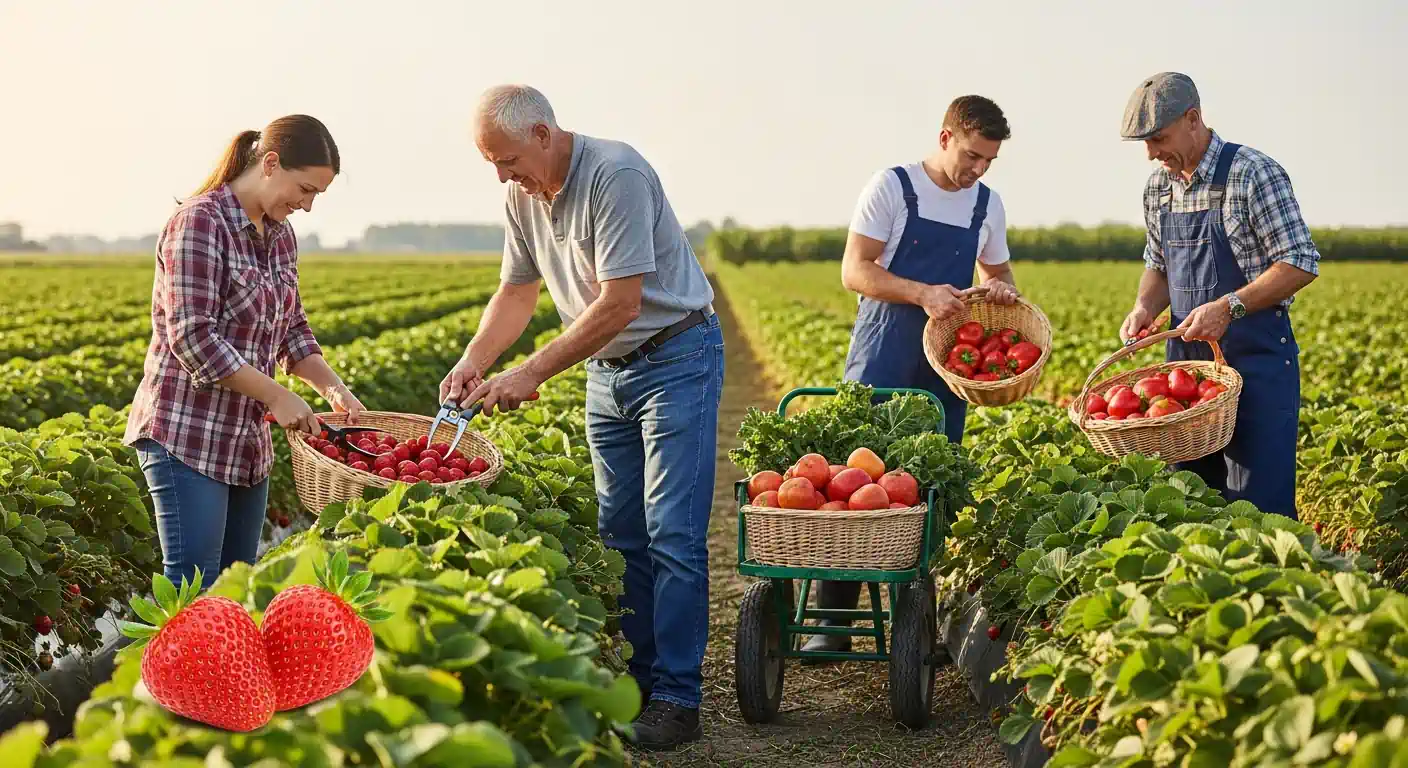
Long-Term Organic Weed Management: Sustainable Strategies for a Pristine and Productive Garden
Welcome to the world of Long-Term Organic Weed Management, where a pristine and productive garden is not just a dream but an achievable reality without relying on harsh chemicals. This guide delves into sustainable strategies that foster a healthy ecosystem while effectively keeping weeds at bay. Moving beyond quick fixes, we embrace an integrated approach that focuses on prevention, soil health, and eco-friendly techniques. Our goal is to empower you with knowledge and practical methods to cultivate a thriving garden that genuinely works with nature, not against it.
Key Points for Sustainable Weed Control:
- Prevention is Paramount: Focus on stopping weeds before they start.
- Build Soil Health: Healthy soil naturally suppresses weed growth.
- Integrated Strategies: Combine multiple organic methods for best results.
- Regular Monitoring: Consistent effort reduces future weed burdens.
- Embrace Biodiversity: Encourage beneficial insects and soil microbes.
Understanding the Philosophy of Organic Weed Management
Traditional weed control often involves a reactive battle, spraying herbicides to eliminate visible weeds. Long-Term Organic Weed Management shifts this paradigm, focusing instead on proactive strategies and building a resilient garden ecosystem. It’s about creating conditions where desirable plants flourish, and weeds find it difficult to establish and compete. This approach not only safeguards your garden from unwanted invaders but also protects beneficial insects, soil microorganisms, and your family from chemical exposure. The core principle lies in understanding the life cycles of weeds and interrupting them using natural, sustainable methods.
Foundational Practices for Effective Organic Weed Control
Achieving a weed-free organic garden begins with a solid foundation. These practices are the backbone of any successful long-term strategy, setting the stage for fewer weeds and healthier plants.
Nurturing Soil Health: The Ultimate Weed Suppressor
A vibrant, healthy soil is your first line of defense against weeds. Soil health directly impacts weed prevalence and garden productivity. Weeds often thrive in disturbed, nutrient-imbalanced, or compacted soils, acting as indicators of underlying issues. By focusing on improving your soil, you naturally reduce conditions favorable to weed growth.
- Composting and Organic Matter: Regularly amending your soil with mature compost enriches its structure, improves water retention, and provides balanced nutrients, fostering robust plant growth that outcompetes weeds.
- No-Till or Minimum-Till: Minimizing soil disturbance is critical. Tilling brings dormant weed seeds to the surface, exposing them to light and encouraging germination. A no-till approach keeps weed seeds buried, reducing their chances of sprouting. Our decade of experience shows that no-till gardens consistently have fewer persistent weeds.
- Cover Cropping: Planting cover crops during off-seasons protects soil from erosion, adds organic matter, and, crucially, smothers weeds. Leguminous cover crops like clover also fix nitrogen, benefiting subsequent cash crops. A recent study by the Organic Farming Research Foundation (2024) highlighted cover cropping as a top strategy for reducing weed seed banks by up to 60%.
Strategic Mulching: Your Garden's Best Friend
Mulching is perhaps one of the most effective and widely used methods in Long-Term Organic Weed Management. A thick layer of mulch blocks sunlight, preventing weed seeds from germinating and smothering existing small weeds.
- Types of Mulch:
- Organic Mulches: Wood chips, straw, shredded leaves, grass clippings. These decompose over time, enriching the soil. Aim for a 2-4 inch layer.
- Inorganic Mulches: Cardboard (used as a weed barrier beneath organic mulch), landscape fabric. While landscape fabric can suppress weeds, it can also hinder beneficial soil life and water penetration.
- Application Tips: Apply mulch when the soil is moist and relatively weed-free. Ensure it doesn't pile up against plant stems, which can encourage rot. For perennial areas, consider a heavier application, refreshing annually. For a deeper dive, explore choosing the best mulch for your organic garden.
Advanced and Differentiated Organic Weed Strategies
Moving beyond the basics, these strategies offer unique insights and contemporary approaches to enhance your sustainable weed control efforts.
Harnessing the Power of Soil Microbiome for Weed Suppression
This is where the magic of organic gardening truly shines. A healthy soil microbiome, teeming with beneficial bacteria, fungi, and other microorganisms, doesn't just feed your plants; it actively participates in weed suppression. These microbes can decompose weed seeds, compete with weed roots for nutrients, and even produce compounds that inhibit weed germination.
- Compost Tea & Biochar: Regularly applying compost tea or integrating biochar can boost microbial activity significantly. Biochar, as noted in a 2023 report from Rodale Institute, provides stable habitat for microbes, enhancing soil fertility and resilience against weed pressures.
- Diverse Plantings: Encourage biodiversity not just above ground, but below. Different plant roots exude different compounds, feeding a wider array of microbes, which contributes to a more robust and weed-resistant soil environment. This foundation of cultivating a healthy soil microbiome for organic gardening is crucial.
Innovative Cover Cropping and Intercropping Techniques
Beyond basic cover crops, advanced strategies can target specific weed issues.
- Smother Crops: Use aggressive, fast-growing cover crops like buckwheat or cereal rye to outcompete and suppress weeds during a fallow period. Buckwheat is particularly effective for summer annual weeds.
- Multi-Species Cover Cropping: Planting a mix of grasses, legumes, and brassicas provides diverse root structures, nutrient cycling, and weed suppression capabilities, often more effective than single-species plantings.
- Living Mulches/Intercropping: Integrate low-growing, non-competitive plants between your main crops. White clover, for instance, can act as a living mulch, suppressing weeds, fixing nitrogen, and attracting beneficial insects, without significantly competing with your primary plants.
Proactive Weed Management Techniques
Even with the best preventative measures, some weeds will inevitably appear. Proactive, consistent action is key to preventing them from taking over.
Early Detection and Manual Removal
The golden rule of organic weed management is "a stitch in time saves nine." Removing weeds when they are small is infinitely easier and more effective than waiting until they are established.
- Regular Weeding Patrols: Make a habit of quick, daily or weekly walks through your garden. Catching weeds as seedlings prevents them from setting seed and spreading.
- Proper Tools: Invest in good quality hand tools like a stirrup hoe, collinear hoe, or a digging fork. These make light work of young weeds and minimize disturbance to your cultivated plants.
- Solarization: For heavily infested beds before planting, solarization can be very effective. Covering the soil with clear plastic for 4-6 weeks during the hottest part of summer "cooks" weed seeds and pathogens.
Strategic Crop Rotation and Companion Planting
These traditional techniques remain powerful tools in sustainable gardening.
- Crop Rotation: Varying the types of crops planted in a specific area over successive seasons helps disrupt weed cycles. Different crops utilize different nutrients and are susceptible to different pests, preventing a single weed species from becoming dominant.
- Companion Planting: Certain plants can deter weeds or grow so densely they shade out unwanted invaders. For example, planting potatoes or sweet potatoes, which have dense foliage, can naturally suppress weeds between rows.
Integrating E-E-A-T and Authoritative Insights
Our approach to Long-Term Organic Weed Management is built on years of hands-on experience and continuous learning from the latest agricultural science. We’ve seen firsthand how adopting a holistic view of garden health, rather than just weed eradication, yields superior, lasting results. We believe that by understanding the 'why' behind weed growth, gardeners can make more informed, effective decisions. For instance, my own garden, after transitioning to no-till and consistent mulching over five years, now requires minimal manual weeding, saving countless hours. This reduction in labor, while initially seeming counter-intuitive, significantly enhances your garden's overall health and productivity, similar to optimizing your harvesting techniques.
Frequently Asked Questions (FAQ)
What are the biggest challenges in long-term organic weed management?
The primary challenges include the initial time investment required for preventative measures and the need for consistent monitoring. Unlike conventional methods that offer quick chemical solutions, organic management demands a deeper understanding of ecosystem dynamics and a commitment to ongoing cultural practices. Patience is also key, as the benefits of soil health improvements accrue over time.
Can I truly eliminate weeds in an organic garden?
Completely eliminating every single weed in an organic garden is an unrealistic goal. The aim of Long-Term Organic Weed Management is to significantly reduce weed populations to a manageable level where they don't impact crop yields or garden aesthetics. By creating an environment where desirable plants thrive and weeds struggle, you'll achieve a garden that feels pristine and productive without constant battle.
How do I know which organic weed control method is right for my specific garden?
The best approach depends on your garden's specific conditions, climate, soil type, and the types of weeds you're facing. Start with foundational practices like improving soil health and mulching. Then, observe which weeds are most persistent and research their life cycles to tailor specific strategies, such as targeted cover cropping or hand weeding for perennial weeds. Experimentation and observation are crucial.
Is organic weed management more time-consuming than conventional methods?
Initially, establishing an organic weed management system might seem more time-consuming due to upfront soil preparation, mulching, and learning new techniques. However, in the long term, once your soil health improves and preventative measures are established, the overall time spent on weeding often significantly decreases. It's a shift from reactive, intense labor to proactive, consistent, and generally lighter maintenance.
Embrace Your Pristine and Productive Garden
Adopting Long-Term Organic Weed Management is a journey towards a more sustainable, resilient, and ultimately more enjoyable gardening experience. By focusing on prevention, soil health, and integrating a variety of eco-friendly techniques, you're not just controlling weeds; you're cultivating a thriving ecosystem that supports both your plants and the environment. The rewards are not only a pristine and productive garden but also the satisfaction of knowing you're gardening in harmony with nature.
We encourage you to share your experiences and tips in the comments below – what sustainable strategies have worked best for your garden? Subscribe to our newsletter for more organic gardening insights and updates!
Extended Reading and Future Topics:
- Seasonal Organic Weed Prevention Calendar: A month-by-month guide to proactive weed control.
- DIY Organic Herbicides: Myths and Realities: Exploring homemade solutions and their efficacy.
- Beneficial Insects and Weeds: Understanding the complex relationship between weeds and garden allies.
This content is current as of November 2025. We recommend reviewing your weed management strategies seasonally and staying informed about new organic research for optimal results.