Hydroponic Systems Explained: Advanced Modern Planting Methods
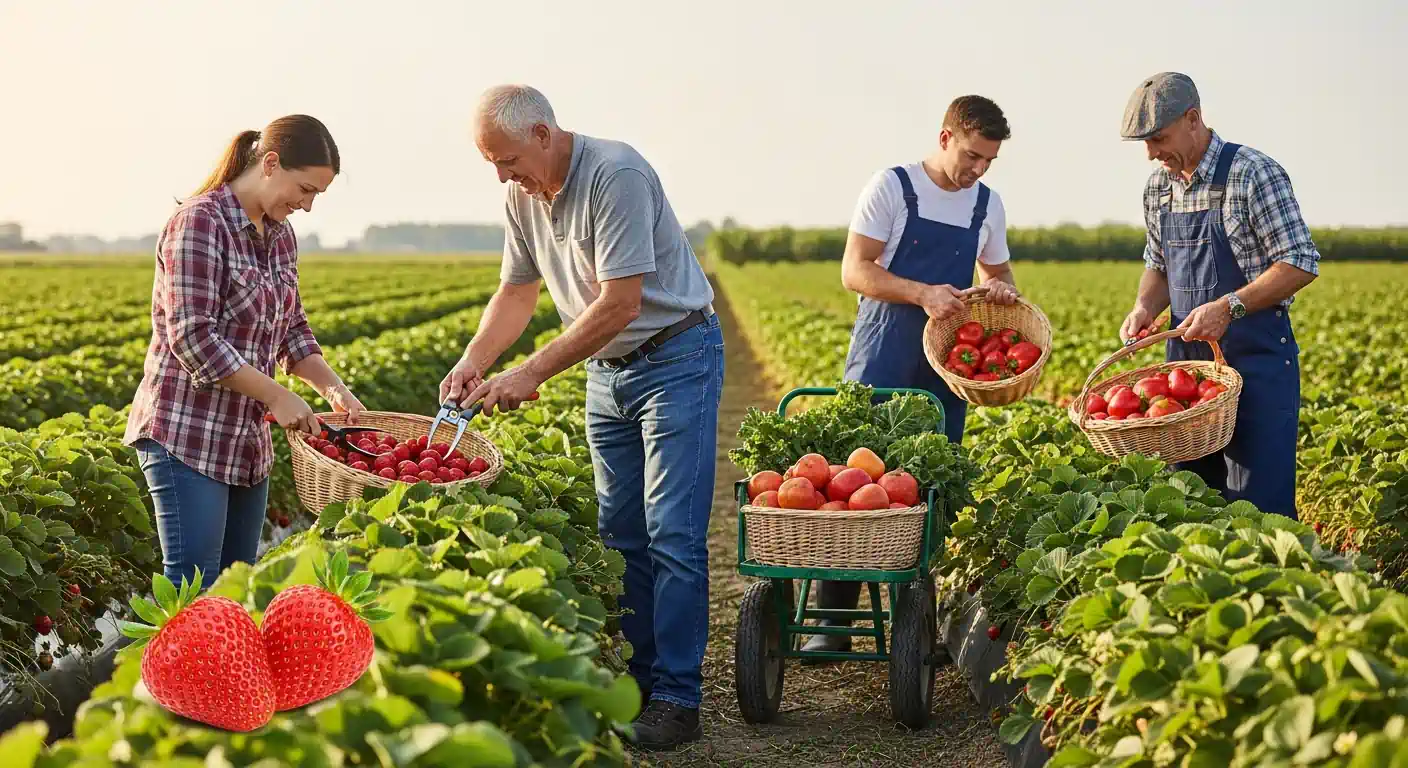
The future of agriculture is here, and it's growing without soil. Hydroponic systems explained as advanced modern planting methods are revolutionizing how we produce food, offering sustainable, efficient, and high-yield solutions. By cultivating plants in nutrient-rich water solutions rather than traditional soil, hydroponics bypasses many limitations of conventional farming, including land availability and seasonal constraints. This approach is particularly vital in the context of plant disease management, as controlled environments significantly reduce the risk of soil-borne pathogens. This guide dives deep into the world of hydroponics, exploring its various types, benefits, and how it represents a significant leap forward in agricultural technology.
Key Points:
- Soil-less cultivation: Plants are grown in water with dissolved nutrients.
- Resource efficiency: Uses significantly less water and land than traditional farming.
- Controlled environment: Reduces pest and disease outbreaks, improving crop health.
- Year-round production: Enables consistent harvests regardless of external weather conditions.
- Faster growth rates: Plants receive direct nutrient access, leading to quicker development.
Understanding Hydroponics: The Foundation of Soil-less Farming
At its core, hydroponics is a subset of hydroculture, which is the practice of growing plants without soil. Instead, plant roots are supported by inert mediums such as perlite, rockwool, or coco coir, and are directly supplied with a carefully balanced solution of water and essential minerals. This direct nutrient delivery system allows plants to flourish with remarkable efficiency. One of the most significant advantages in the realm of plant disease management is the inherent reduction in soil-borne pathogens that can devastate conventional crops. When you eliminate soil, you eliminate a major vector for many common plant diseases.
The Science Behind Hydroponic Nutrient Solutions
The success of any hydroponic system hinges on the precise formulation of its nutrient solution. Plants require a specific balance of macro- and micronutrients for optimal growth, including nitrogen, phosphorus, potassium, calcium, magnesium, sulfur, and trace elements like iron, manganese, zinc, and copper. These nutrients are dissolved in water at carefully controlled concentrations and pH levels. A well-managed hydroponic setup ensures that plants receive precisely what they need, when they need it, leading to faster growth and healthier plants. This controlled nutrient delivery also means that the plant's energy is directed towards growth rather than expending it to search for nutrients in a soil medium.
Key Benefits of Advanced Hydroponic Systems
Adopting hydroponic systems explained as advanced modern planting methods unlocks a multitude of benefits for growers:
- Water Conservation: Hydroponic systems can use up to 90% less water than traditional farming methods. Water is recirculated, minimizing evaporation and runoff.
- Space Efficiency: Plants can be grown closer together, and vertical farming techniques allow for multi-layered cultivation, dramatically increasing yield per square foot.
- Faster Growth and Higher Yields: With direct access to nutrients and optimal growing conditions, plants often grow 20-50% faster and produce higher yields.
- Reduced Pest and Disease Issues: As mentioned, the absence of soil eliminates many common pests and diseases, leading to healthier crops and reduced need for pesticides. This is a crucial aspect of plant disease management in modern agriculture.
- Year-Round Production: Hydroponic systems allow for cultivation in controlled environments, enabling consistent harvests regardless of the season or external climate.
- Weed-Free Cultivation: The lack of soil means no weeds to compete with crops for nutrients, water, or light.
Types of Hydroponic Systems: A Deeper Dive
There are several distinct types of hydroponic systems, each with its own advantages and suitability for different crops and scales of operation. Understanding these different hydroponic systems explained will help in choosing the right method for specific needs.
1. Deep Water Culture (DWC)
In a Deep Water Culture system, plant roots are suspended directly in a nutrient-rich water reservoir. An air pump and air stone are used to oxygenate the water, preventing root rot and ensuring adequate oxygen supply for plant respiration. DWC is simple, cost-effective, and ideal for leafy greens like lettuce, spinach, and kale.
- Pros: Simple setup, low cost, good for leafy greens.
- Cons: Requires consistent monitoring of nutrient solution temperature and oxygen levels.
2. Nutrient Film Technique (NFT)
NFT systems utilize a shallow stream of nutrient solution that flows over the plant roots. Plants are typically seated in net pots, and the roots hang down into a channel where the nutrient solution is pumped. The gentle flow ensures roots receive oxygen and nutrients. NFT is highly efficient and commonly used for commercial production of lettuce, strawberries, and herbs.
- Pros: Highly water-efficient, excellent for commercial operations, good oxygenation.
- Cons: Susceptible to pump failure, roots can clog channels if not managed.
3. Drip Systems
Drip systems deliver nutrient solution to the base of each plant through a network of tubes and drippers. The solution can be recirculated or used as a run-to-waste system. Inert growing media like coco coir or perlite are often used to support the plants. This method is versatile and suitable for a wide range of crops, including tomatoes, peppers, and cucumbers.
- Pros: Versatile, good control over watering, suitable for larger plants.
- Cons: Drippers can clog, requires careful monitoring of flow rates.
4. Ebb and Flow (Flood and Drain)
This system involves periodically flooding the grow tray with nutrient solution and then draining it back into a reservoir. This cycle provides roots with both water and nutrients, followed by a period of aeration. The ebb and flow system is effective for various plants and can be implemented using different growing media.
- Pros: Excellent aeration for roots, relatively simple to set up.
- Cons: Requires a timer for precise flood and drain cycles, potential for root rot if not drained properly.
5. Aeroponics
Aeroponics is considered one of the most advanced hydroponic techniques. Plant roots are suspended in the air and misted with a nutrient-rich solution at regular intervals. This method provides maximum oxygen to the roots, leading to extremely rapid growth rates. While highly efficient, aeroponic systems can be more complex and costly to set up.
- Pros: Fastest growth rates, highest oxygenation, efficient nutrient use.
- Cons: High initial cost, requires precise timers and reliable misting nozzles, very susceptible to power outages.
6. Wick Systems
Wick systems are the simplest form of hydroponics. A wick draws nutrient solution from a reservoir up to the plant's roots in a growing medium. These are typically passive systems, meaning they require no pumps or electricity, making them ideal for small-scale home use or for educational purposes.
- Pros: Extremely simple, low cost, no electricity required.
- Cons: Less efficient for larger plants or those with high nutrient demands, can lead to nutrient imbalances over time.
Addressing Plant Disease Management in Hydroponics
While hydroponics significantly reduces the risk of soil-borne diseases, it's not entirely immune to plant health issues. Pathogens can still enter the system through contaminated water, infected plant material, or poor hygiene. Effective plant disease management in hydroponic systems requires a proactive and integrated approach.
Proactive Prevention Strategies
- Sterilization: Regularly sterilize reservoirs, pipes, and equipment. Using UV sterilizers in the water circulation can be highly effective.
- Quarantine New Plants: Always inspect new plants for signs of pests or diseases before introducing them to your hydroponic system.
- Water Quality: Use clean, filtered water and regularly test its EC (electrical conductivity) and pH levels. Maintain optimal nutrient levels to ensure plant vitality, as stressed plants are more susceptible to disease.
- Environmental Control: Monitor temperature, humidity, and air circulation to create an unfavorable environment for many pathogens. Proper ventilation helps prevent fungal diseases.
- Resistant Varieties: Where possible, choose plant varieties known for their resistance to common diseases.
Identifying and Treating Common Hydroponic Issues
Even with preventative measures, issues can arise. Recognizing symptoms early is crucial for effective plant disease management.
- Root Rot (Pythium, Phytophthora): Often caused by low oxygen levels or contaminated water. Symptoms include brown, slimy roots and wilting plants. Treatment involves improving aeration, sterilizing the system, and potentially using beneficial microbes.
- Fungal Diseases (Powdery Mildew, Downy Mildew): Thrives in high humidity and poor air circulation. Identified by white, powdery patches or fuzzy growth on leaves. Improved ventilation and targeted organic fungicides can help.
- Bacterial Diseases: Can manifest in various ways, including wilting, leaf spots, or stem rot. Prevention through hygiene and water quality is key.
Differentiated Value: Integrated Pest Management (IPM) in Hydroponics
A modern approach to plant disease management in hydroponics involves implementing Integrated Pest Management (IPM) strategies. This goes beyond simple prevention and includes the use of biological controls. For example, introducing beneficial insects like ladybugs or predatory mites can help manage common pests without resorting to harmful chemicals. Research published in the Journal of Applied Entomology (2024) highlights the efficacy of these biological agents in controlled environment agriculture, demonstrating significantly reduced pest damage and improved crop quality. This proactive, ecological approach offers a substantial advantage over reactive chemical treatments.
Another differentiating factor is the application of advanced sensor technology. Real-time monitoring of nutrient uptake, root zone pH, and even early indicators of stress through spectral analysis of leaves can provide early detection of plant stress before visible symptoms of disease appear. A recent study in HortScience (2025) showcased how AI-driven sensor networks can predict disease outbreaks with over 85% accuracy, allowing for timely intervention and preventing widespread crop loss. This level of precision represents the cutting edge of disease prevention in hydroponic farming.
Expert Insights and Future Trends
From an expert perspective, the growth of hydroponics is not just a trend but a fundamental shift in agricultural practices. The ability to grow food locally, irrespective of land quality or climate, addresses critical issues of food security and sustainability. For instance, urban farming initiatives utilizing hydroponic systems are transforming food deserts into sources of fresh produce. According to data from the Global Food Security Report (2023), countries investing in controlled environment agriculture, including hydroponics, are showing increased resilience against climate-related agricultural disruptions.
Looking ahead, we can expect to see continued innovation in automation, AI-driven system management, and the development of even more energy-efficient systems. The integration of vertical farming with hydroponics will become more commonplace, maximizing space utilization in urban environments. Furthermore, advancements in understanding plant-microbe interactions will lead to more sophisticated use of beneficial bacteria and fungi to enhance plant health and nutrient uptake, further strengthening plant disease management protocols.
Frequently Asked Questions About Hydroponic Systems
What is the main advantage of hydroponics for plant disease management?
The primary advantage is the elimination of soil as a growing medium. This prevents the introduction and proliferation of many common soil-borne pathogens, significantly reducing the risk of widespread disease outbreaks and the need for chemical treatments.
Is hydroponics more expensive than traditional farming?
Initial setup costs for hydroponic systems can be higher, especially for advanced setups like aeroponics. However, over time, the reduced water usage, higher yields, faster growth, and lower inputs (like pesticides) can make hydroponics more cost-effective.
Can I grow any plant in a hydroponic system?
While hydroponics is highly versatile, some plants are better suited than others. Leafy greens, herbs, strawberries, tomatoes, and peppers are commonly grown. Root vegetables like potatoes and carrots are more challenging due to their growth habit.
How often do I need to change the nutrient solution?
The frequency of nutrient solution changes depends on the system type, plant growth stage, and reservoir size. Generally, it's recommended to change the solution every 1-3 weeks to prevent nutrient imbalances and buildup of harmful microorganisms.
Conclusion: Embracing the Future of Cultivation
Hydroponic systems explained as advanced modern planting methods offer a compelling vision for the future of agriculture. Their efficiency, sustainability, and capacity for controlled growth present significant advantages, particularly in enhancing plant disease management and ensuring crop health. Whether you're a commercial grower looking to optimize production or a home enthusiast seeking to cultivate fresh produce year-round, understanding these systems opens up a world of possibilities.
Ready to explore further? Dive deeper into the world of sustainable agriculture by researching optimizing nutrient solutions for specific crops or vertical farming innovations. Your journey into advanced planting methods starts with understanding the power of hydroponics. We encourage you to share your experiences or questions in the comments below, and subscribe to stay updated on the latest in agricultural technology!