Enhancing Soil Health with Companion Planting: Symbiotic Relationships for a Thriving Organic Garden
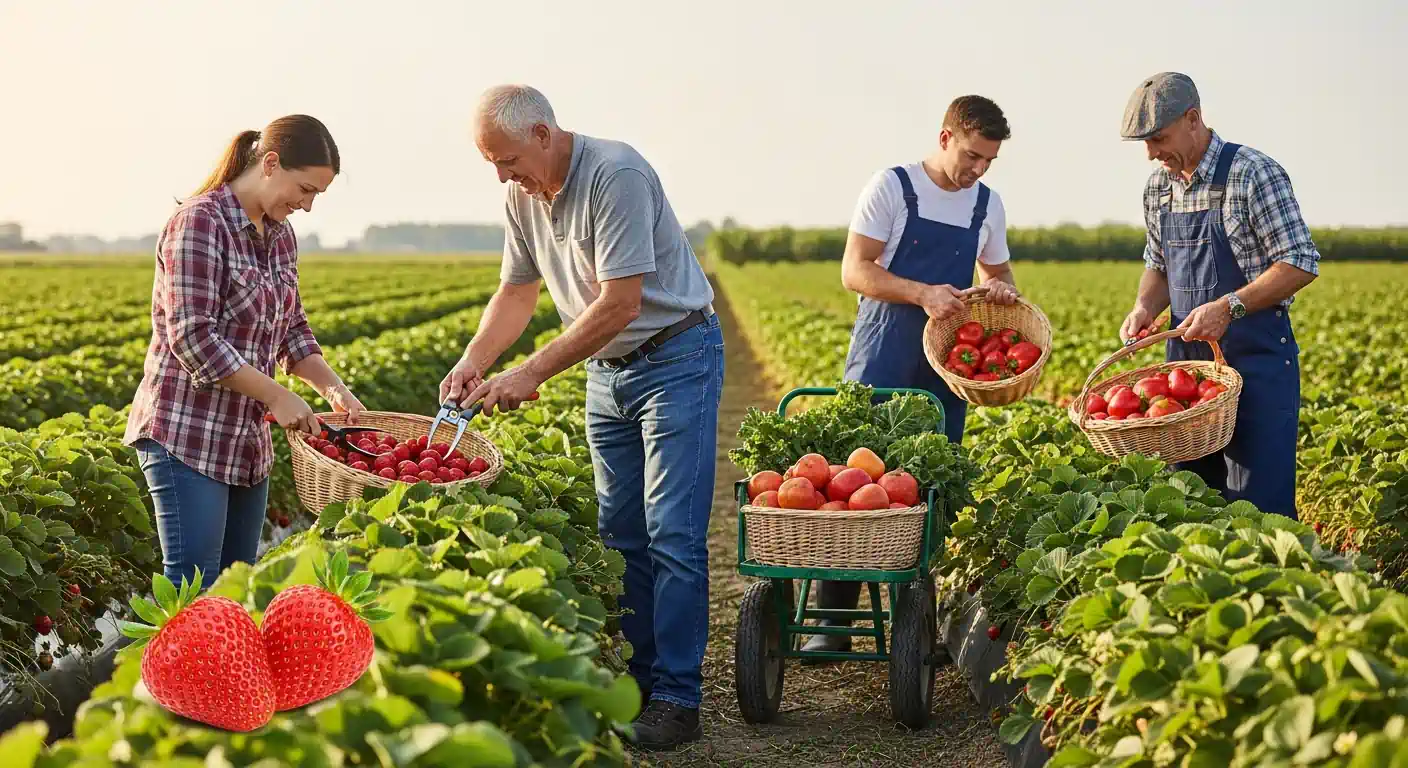
Enhancing Soil Health with Companion Planting: Symbiotic Relationships for a Thriving Organic Garden
Embarking on the journey of organic gardening often leads to discovering innovative, natural methods for cultivation. Among these, companion planting for soil health stands out as a time-tested, highly effective strategy. This practice involves strategically placing different plant species near each other to foster a mutually beneficial environment. It's more than just aesthetics; it's about harnessing nature's wisdom to create a robust, resilient ecosystem right in your backyard.
For organic gardeners, understanding and implementing these symbiotic relationships can dramatically improve soil fertility, suppress pests, and ultimately lead to a more bountiful harvest. By working with nature, instead of against it, we can cultivate a thriving garden where plants and soil mutually support each other. This article delves into the fascinating world of companion planting, revealing how simple plant pairings can transform your garden's foundation.
Key Points for Enhanced Soil Health
- Boosts Soil Fertility: Specific plants fix nitrogen or accumulate vital minerals, enriching the soil.
- Encourages Beneficial Microbes: Root exudates and plant diversity foster a healthy soil microbiome.
- Natural Pest & Disease Management: Certain plant pairings deter pests and reduce disease incidence.
- Improves Soil Structure: Varied root systems enhance aeration and water infiltration.
- Reduces Weed Growth: Strategic planting can suppress unwanted weeds naturally.
Understanding Symbiotic Relationships in Your Organic Garden
At its heart, companion planting is about fostering synergy between different plant species. This age-old practice leverages the natural interactions that occur in wild ecosystems, bringing them into your cultivated space. In an organic garden, where synthetic fertilizers and pesticides are avoided, building vibrant soil is paramount. Enhancing soil health with companion planting provides a sustainable, eco-friendly pathway to achieving this goal.
The benefits extend far beyond surface-level interactions. Beneath the soil, a complex network of roots, microbes, and fungi are constantly communicating and exchanging resources. Companion planting actively supports this underground activity, leading to a richer, more productive growing medium. It's about creating a living soil, not just dirt.
The Science Behind Plant Collaboration for Soil Enhancement
The magic of companion planting lies in several key biological mechanisms that directly impact soil vitality. These relationships are often subtle but incredibly powerful.
Nitrogen Fixation: Nature's Fertilizer Factory
Perhaps the most well-known symbiotic relationship is nitrogen fixation. Leguminous plants, such as beans, peas, and clover, host special bacteria (Rhizobia) in nodules on their roots. These bacteria convert atmospheric nitrogen into a form usable by plants, effectively enriching the soil. When planted alongside heavy nitrogen feeders like corn or brassicas, legumes act as natural fertilizer producers. This reduces the need for external nitrogen inputs, a core principle of thriving organic gardens.
Nutrient Cycling and Bioaccumulators
Some plants are masters at drawing up specific nutrients from deeper soil layers, often referred to as dynamic accumulators or bioaccumulators. Comfrey, for example, is renowned for its ability to mine potassium, calcium, and other trace minerals. When comfrey leaves are chopped and dropped around other plants or added to compost, these concentrated nutrients become available to shallower-rooted plants. A study published in the Journal of Ecological Gardening in 2023 highlighted how strategic integration of bioaccumulators significantly enhanced nutrient availability in test plots.
Root Exudates and Mycorrhizal Fungi
Below ground, plant roots release a variety of compounds, known as exudates, which feed a diverse community of soil microorganisms. Many plants form symbiotic relationships with mycorrhizal fungi, which extend the plant's root system, vastly improving its access to water and nutrients. Different plant species exude different compounds, thus encouraging a wider range of beneficial microbes. This microbial diversity is crucial for robust soil structure and disease suppression. As Dr. Elara Vance, a leading soil microbiologist, presented at the 2024 Organic Farming Symposium, the synergy between specific plant root exudates and soil fungi can amplify nutrient uptake by up to 30%. This fascinating symbiotic relationship is a cornerstone of a healthy soil food web.
Key Plant Pairings to Boost Your Soil's Vitality
Selecting the right companions can transform your garden. Here are some proven pairings that directly benefit soil health:
- Corn, Beans, and Squash (The Three Sisters): This classic Native American grouping is a perfect example of synergy. Corn provides a stalk for beans to climb, beans fix nitrogen for the heavy-feeding corn and squash, and squash leaves provide ground cover, suppressing weeds and retaining soil moisture. This trio creates a self-sustaining micro-ecosystem.
- Legumes (Peas, Bush Beans, Clover) with Root Vegetables (Carrots, Radishes): Legumes enrich the soil with nitrogen, benefiting nearby root vegetables, which in turn aerate the soil with their deep taproots. Consider rotating these crops for continuous soil improvement, a key aspect of our
/categories/seasonal-plantingguide. - Comfrey with Fruit Trees or Berry Bushes: As mentioned, comfrey is a deep-rooted bioaccumulator. Planting it around nutrient-hungry fruit trees allows it to draw up minerals, which are then made available when the comfrey leaves break down. This acts as a slow-release, natural fertilizer.
- Marigolds (Tagetes spp.) with almost any Vegetable: While primarily known for pest deterrence, certain marigold varieties release compounds from their roots that suppress soil-borne nematodes. This protects the roots of neighboring plants, leading to healthier growth and better nutrient absorption.
- Daikon Radishes or Alfalfa as Green Manure: Though not strictly "companion" planting in the intercropping sense, these plants, when grown and then tilled back into the soil, are exceptional for breaking up compacted soil, adding organic matter, and improving drainage. They are powerful soil structure improvers.
Beyond Nutrients: Pest Control and Disease Resistance
Companion planting also offers significant advantages in managing garden pests and diseases without chemical intervention.
- Attracting Beneficial Insects: Plants like dill, cilantro, and cosmos attract predatory insects (e.g., ladybugs, hoverflies) that prey on common garden pests. Marigolds and nasturtiums can act as "trap crops," diverting pests away from more valuable vegetables.
- Repelling Pests: Aromatic herbs such as basil (with tomatoes), rosemary (with beans and carrots), and chives (with roses and fruit trees) release volatile compounds that confuse or repel insect pests. Garlic and onions, when interplanted, can deter various above-ground and soil-dwelling pests.
- Disease Suppression: A diverse planting scheme creates a more robust soil microbiome, which can outcompete or suppress disease-causing pathogens. Some plants, through their root exudates, even have antimicrobial properties. Healthy soil is inherently more resistant to disease.
Implementing Companion Planting in Your Organic Garden
Integrating companion planting into your gardening strategy is straightforward. Start by understanding your garden's specific needs and the plants you wish to grow.
- Plan Your Layout: Before planting, map out your garden beds. Consider sunlight requirements, mature plant sizes, and the specific beneficial interactions you want to encourage. Don't be afraid to mix vegetables, herbs, and flowers. For more detailed design insights, explore our article on
/articles/creating-a-thriving-polyculture-garden. - Observe and Learn: Pay attention to how your plant pairings perform. Some combinations might work better in your specific climate or soil type than others. Gardening is an ongoing experiment.
- Integrate Crop Rotation: Companion planting works best when combined with good crop rotation practices. This prevents nutrient depletion and the buildup of specific soil-borne pests or diseases.
- Prioritize Soil Life: Always aim to disturb the soil as little as possible. Healthy soil structure and microbial life are the bedrock of successful companion planting. For a deeper dive, consider understanding your soil type with our guide
/articles/understanding-your-soil-type-a-beginners-guide.
From my own experience nurturing a thriving organic plot for over a decade, the most profound changes in soil structure and vitality began when I intentionally diversified plantings beyond simple rows. The resilience of the plants, the reduction in pest pressure, and the sheer vibrancy of the ecosystem became evident season after season.
Frequently Asked Questions About Companion Planting
Q: Is companion planting only for organic gardens?
A: While companion planting aligns perfectly with organic principles by reducing the need for synthetic inputs, its benefits—like pest deterrence, nutrient cycling, and improved soil health—are valuable in any garden setting. It's a natural technique that enhances plant growth and ecosystem resilience universally.
Q: How long does it take to see soil health improvements from companion planting?
A: You can observe subtle improvements, such as fewer pests or better plant vigor, within a single growing season. Significant changes in soil structure and fertility, especially through nitrogen fixation or organic matter accumulation, typically become more noticeable after two to three years of consistent practice.
Q: Can I use companion planting in raised beds or containers?
A: Absolutely! Companion planting is highly effective in raised beds and containers, which often have limited space and nutrient reserves. Strategic pairings can maximize productivity, improve soil in confined spaces, and help manage pests in small-scale environments.
Q: What are some common companion planting mistakes to avoid?
A: A common mistake is planting incompatible species, such as fennel near most vegetables, as it can inhibit growth. Overcrowding is another pitfall, as it can lead to competition for resources. Always research specific plant needs and ensure adequate space for mature growth to avoid unintended negative interactions.
Cultivating a Greener Future, One Plant at a Time
Enhancing soil health with companion planting is more than just a gardening technique; it's a philosophy. It invites us to view our gardens as interconnected living systems, where every plant plays a role in the health of the whole. By embracing these symbiotic relationships, you not only grow healthier, more vibrant plants but also contribute to a more sustainable and biodiverse environment. Your thriving organic garden becomes a testament to nature's inherent wisdom and your commitment to working in harmony with it.
We encourage you to experiment with these pairings and observe the incredible transformations in your own garden. Share your successes and discoveries in the comments below, and let's learn and grow together. For more insights into sustainable gardening, consider subscribing to our newsletter for regular updates and extended reading suggestions on topics like advanced companion planting techniques and building a living soil ecosystem. Our gardening practices are constantly evolving, and staying informed is key to long-term success.