Designing Your First Vegetable Garden Layout: Beginner-Friendly Tips for Success
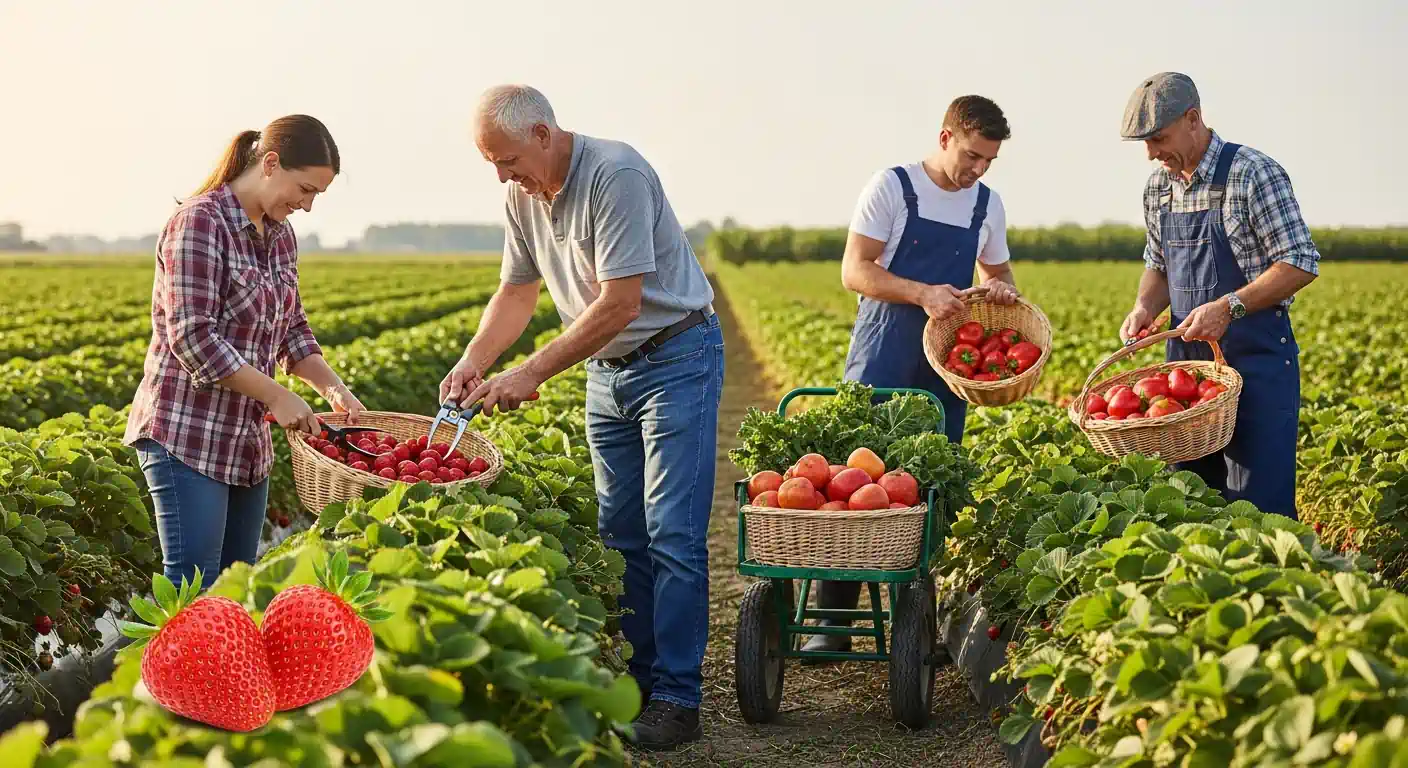
Welcome to the exciting world of vegetable gardening! For many aspiring growers, the first step – designing your first vegetable garden layout – can seem daunting. But with a bit of planning and these beginner-friendly tips, you'll be well on your way to a thriving harvest. A thoughtfully designed layout doesn't just look good; it optimizes sunlight, water, and space, ensuring your plants flourish and your efforts yield delicious rewards. This guide will walk you through the essential considerations, from site selection to plant spacing, empowering you to create a functional and productive garden that brings joy season after season. Let's dig in and lay the groundwork for your gardening success!
Key Points for Designing Your First Vegetable Garden Layout
- Sunlight is paramount: Aim for 6-8 hours of direct sun daily.
- Assess your space: Decide between in-ground beds, raised beds, or containers.
- Plan for pathways: Ensure easy access for planting, weeding, and harvesting.
- Start small and simple: Don't overwhelm yourself in the first season.
- Consider companion planting: Leverage natural plant relationships for better growth.
Mastering Your First Vegetable Garden Layout: A Step-by-Step Guide
Successfully designing your first vegetable garden layout is about more than just where to put your seeds; it's about creating a harmonious ecosystem that works with nature and your lifestyle. A well-planned layout minimizes problems, maximizes yields, and makes gardening a truly enjoyable experience. Let's explore the fundamental steps to ensure your initial garden design sets you up for abundance.
Step 1: Site Selection – The Foundation of Your Garden
Choosing the right location is the single most critical decision when designing your first vegetable garden layout. Without adequate sunlight and water access, even the best plans will struggle.
Sunlight: Your Plants' Power Source
Most vegetables, especially fruiting plants like tomatoes, peppers, and squash, require at least 6-8 hours of direct sunlight per day. Observe your yard throughout the day, noting how shadows fall from trees, fences, and buildings. Morning sun is particularly beneficial, as it helps dry dew from leaves, reducing disease risk.
- Observe and track: Spend a full day observing sun patterns in your chosen spot.
- Winter sun matters: Remember that winter sun paths are lower; consider this for future seasons.
Water Access: Essential for Thriving Plants
Proximity to a water source is crucial. Hauling heavy watering cans across a large yard quickly becomes tiresome. Consider installing a drip irrigation system or soaker hoses for efficiency. This helps ensure consistent moisture, a key aspect of any effective garden layout.
- Easy reach: Position your garden within hose reach.
- Rainwater harvesting: Explore rain barrels as a sustainable option.
Soil Quality: The Unsung Hero
Healthy soil is the bedrock of a productive vegetable garden. Before planting, test your soil to understand its pH and nutrient composition. Most vegetables prefer well-draining, fertile soil rich in organic matter. You can improve existing soil by amending it with compost and other organic materials. A soil test from your local extension office (often less than $20) is an invaluable investment, providing personalized recommendations. As noted by the University of California Agriculture and Natural Resources in their 2024 publication on home gardening, "A soil test is the most accurate way to determine what amendments your garden needs, preventing both nutrient deficiencies and excesses."
Step 2: Choosing Your Garden Style – In-Ground, Raised Beds, or Containers?
The style of your garden will significantly influence your approach to designing your first vegetable garden layout. Each has its advantages and is suitable for different situations.
In-Ground Gardens: Traditional and Expansive
If you have good native soil and ample space, an in-ground garden can be the most economical choice. It allows for larger planting areas and easier crop rotation. However, it may require more initial effort in soil preparation and ongoing weeding.
- Pros: Cost-effective, large planting areas.
- Cons: Can be labor-intensive for soil prep and weeding.
Raised Beds: Defined and Manageable
Raised garden beds are incredibly popular for beginners due to their numerous benefits. They offer excellent drainage, warm up faster in spring, and allow you to control the soil mix entirely. They also reduce bending, making gardening more accessible. For a detailed look at their advantages, you might explore articles on the benefits of raised bed gardening. The National Gardening Association's "Beginner's Guide to Raised Beds" (2023 Edition) highlights that raised beds provide "superior soil control and ergonomic benefits, significantly enhancing the success rate for novice gardeners."
- Pros: Better drainage, fewer weeds, easier on your back, customizable soil.
- Cons: Higher initial cost for materials and soil.
Container Gardening: Flexible and Space-Saving
For urban dwellers or those with limited space, containers are an excellent solution. Almost any vegetable can be grown in a pot, provided it's large enough and has good drainage. This approach is perfect for a small vegetable garden layout.
- Pros: Portable, great for small spaces, minimal soil prep.
- Cons: Requires more frequent watering and fertilization, limited plant size.
Step 3: Essential Design Principles for a Productive Layout
Once you've selected your site and style, it's time to delve into the practical aspects of designing your first vegetable garden layout. These principles will help you maximize your space and minimize future headaches.
Pathways: Access and Movement
Don't underestimate the importance of pathways. They allow you to access plants for weeding, watering, and harvesting without compacting the soil. Aim for pathways at least 18-24 inches wide within beds and 3 feet wide for main thoroughfares. I've found that neglecting pathways is a common beginner mistake, leading to soil compaction and damaged plants.
- Functionality first: Design paths that allow easy movement with tools.
- Material choice: Mulch, gravel, or stepping stones can define paths.
Plant Spacing and Orientation: Giving Each Plant Room to Grow
Overcrowding is a common pitfall. Refer to seed packets or plant tags for recommended spacing. Proper spacing ensures adequate airflow, reducing disease, and allows plants to reach their full potential. Orient taller plants (like pole beans or corn) on the north side of your garden to prevent them from shading shorter plants.
- Read labels: Always follow spacing guidelines.
- Sun orientation: Place tall plants where they won't cast unwanted shade.
Companion Planting: Nature's Little Helpers
Companion planting involves growing specific plants near each other to benefit one or both. For example, marigolds can deter pests, and basil can improve the flavor of tomatoes. This isn't just an old wives' tale; modern horticultural studies support many of these traditional pairings. This is a great way to add differentiated value to your garden's ecosystem.
- Research pairings: Learn which plants thrive together.
- Pest deterrence: Use companion plants to naturally reduce pest issues.
Crop Rotation: A Long-Term Strategy
For in-ground and larger raised bed gardens, plan for crop rotation. This means not planting the same type of crop in the same spot year after year. Rotation helps prevent soil-borne diseases and pest buildup and balances nutrient depletion. For instance, follow heavy feeders (like corn) with light feeders (like beans). This long-term thinking is key for sustainable garden planning for beginners.
- Prevent disease: Rotate plant families to avoid pathogen buildup.
- Maintain soil health: Help replenish specific nutrients over time.
Step 4: What to Grow? Start Simple, Plan for Success
When designing your first vegetable garden layout, it's tempting to want to grow everything. Resist this urge! Start with a few easy-to-grow, high-yield vegetables that your family enjoys.
Beginner-Friendly Vegetables:
- Lettuce & Spinach: Quick growth, continuous harvest.
- Radishes: Ready in weeks, great for instant gratification.
- Bush Beans: Prolific and relatively pest-free.
- Zucchini: Be prepared for abundance!
- Cherry Tomatoes: Easier than large varieties, very productive.
Succession Planting: Extend Your Harvest
Consider succession planting, where you plant small batches of crops every few weeks instead of all at once. This ensures a continuous harvest rather than a single large flush. For example, plant lettuce seeds every two weeks for a steady supply throughout spring and fall.
Step 5: Draw It Out and Be Flexible
Finally, put your ideas on paper. Sketching your garden layout helps visualize the space and identify potential issues before you start digging. Don't be afraid to make changes as you go. Gardens are dynamic, and observing how your plants grow will inform future adjustments. A truly effective garden layout isn't static; it evolves with experience.
FAQ: Common Questions for First-Time Garden Designers
Q: How much space do I really need for my first vegetable garden layout?
A: You need less space than you might think! A 4x4 or 4x8 foot raised bed can produce a surprising amount of vegetables for a small family. For container gardening, even a sunny balcony can yield fresh herbs and a few tomato plants. The key is to start with a manageable size that you can realistically maintain, focusing on efficient use of vertical space and intensive planting techniques.
Q: What are the best dimensions for a raised garden bed for a beginner?
A: For beginners, a raised bed that is 4 feet wide by 8 feet long (or even 4x4 feet) is highly recommended. The 4-foot width allows you to reach the center of the bed comfortably from either side without stepping on the soil, preventing compaction. The length is flexible based on your space and desired scale, but 8 feet is a good starting point for variety without being overwhelming.
Q: How can I protect my vegetable garden layout from pests and animals naturally?
A: Incorporate natural pest deterrents into your design. This includes companion planting (e.g., marigolds with tomatoes, garlic near roses), installing physical barriers like row covers for vulnerable young plants, or even a simple fence if deer or rabbits are a concern. Encouraging beneficial insects by planting flowers like dill and cosmos nearby can also create a natural pest control system, promoting a balanced ecosystem.
Cultivate Your Success: Next Steps for Your Garden Journey
Designing your first vegetable garden layout is a foundational step, but the journey of gardening is ongoing and rewarding. Now that you have a plan, it's time to gather your tools, prepare your soil, and get those seeds in the ground!
- Start planting: Don't delay! Begin with your chosen beginner-friendly vegetables.
- Learn more about soil health: Explore our detailed guide on /articles/understanding-and-improving-your-garden-soil-for-beginners to truly unlock your garden's potential.
- Join a community: Share your progress and ask questions in local gardening groups or online forums.
- Explore advanced techniques: Once comfortable, dive into methods like vertical gardening or advanced composting, which can be found in our /categories/basic-planting-techniques section.
Your garden will be a place of learning, growth, and delicious rewards. Embrace the process, observe your plants, and enjoy every moment of cultivating your own food. We encourage you to share your experiences and tips in the comments below – your insights can help other aspiring gardeners!