Designing a Productive Herb Garden Layout: Expert Tips for Maximum Yields and Easy Maintenance
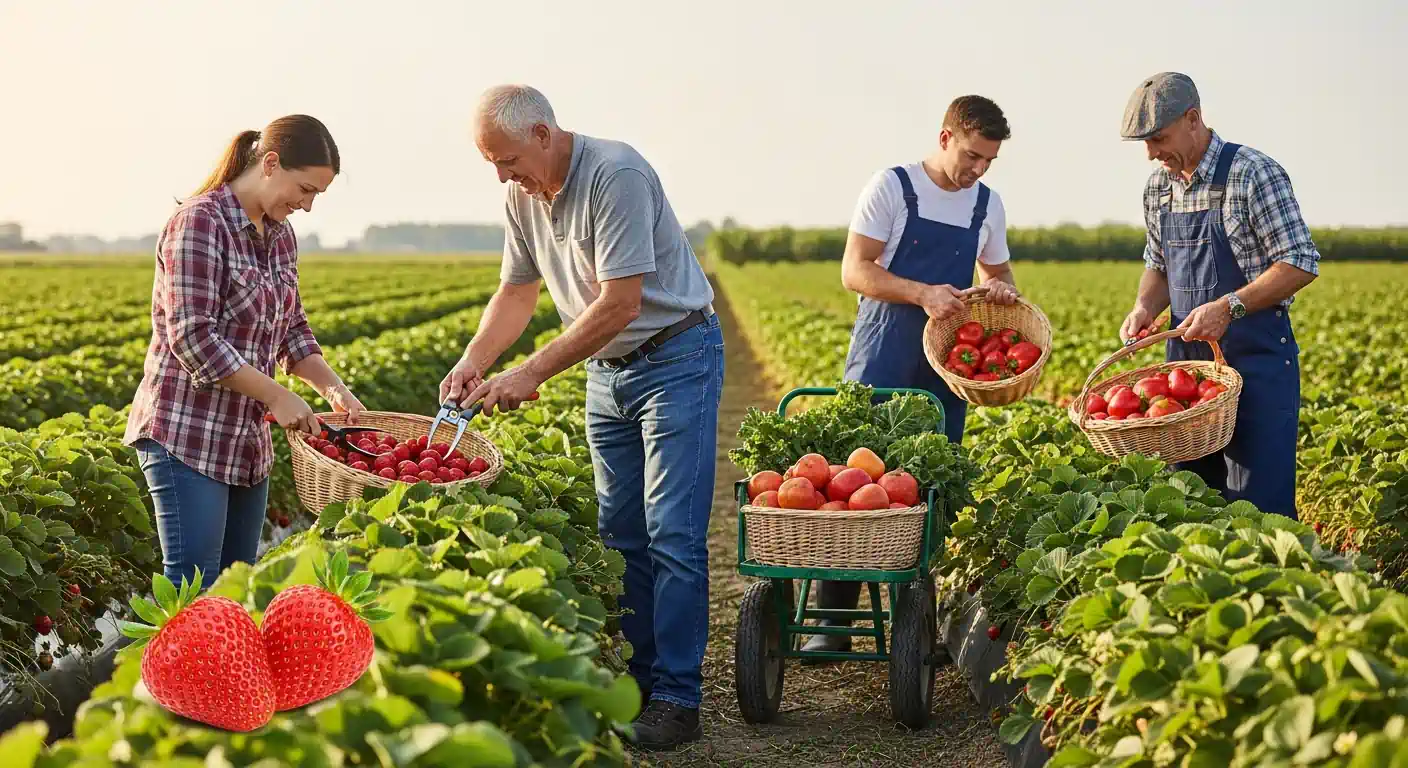
Designing a Productive Herb Garden Layout: Expert Tips for Maximum Yields and Easy Maintenance
Designing a productive herb garden layout is an art and a science, blending aesthetics with practical horticulture to ensure a bountiful harvest and minimal upkeep. A well-planned herb garden not only provides fresh ingredients for your culinary adventures but also enhances your outdoor living space with fragrant foliage and often beautiful blooms. This guide will walk you through expert strategies for optimal herb placement, soil preparation, and maintenance techniques that will transform your garden into a thriving, self-sustaining ecosystem.
Achieving maximum yields and ensuring easy maintenance starts long before the first seed is sown or seedling is planted. It involves thoughtful consideration of your specific environment, the needs of your chosen herbs, and smart design principles that work with nature, not against it. By focusing on site assessment, strategic planting, and sustainable practices, you can cultivate an herb garden that continuously delights your senses and stock your pantry.
Key Points for Your Productive Herb Garden:
- Site Assessment: Understand sunlight, soil, and water.
- Strategic Grouping: Place herbs with similar needs together.
- Companion Planting: Utilize plant synergy for health and yields.
- Succession Planting: Ensure continuous harvests of annuals.
- Maintenance Focus: Design for easy access and efficient care.
Understanding Your Site: The Foundation for a Productive Herb Garden Layout
The first step in designing a productive herb garden layout is a thorough understanding of your garden site. This foundational knowledge will inform every subsequent decision, from choosing the right herbs to determining their optimal placement. Ignoring these crucial initial steps often leads to frustrating results and wasted effort.
Assessing Sunlight and Microclimates
Sunlight is the lifeblood of most herbs. The majority thrive in full sun, meaning at least 6-8 hours of direct sunlight per day. Observe your garden throughout the day and across seasons to map out sun patterns. Pay attention to how shadows from trees, fences, or buildings shift. These observations will help you pinpoint the sunniest spots, ideal for sun-loving herbs like basil, rosemary, and thyme.
Beyond general sun exposure, consider any microclimates in your yard. A microclimate is a localized set of atmospheric conditions that differ from those in the surrounding area. For example, a south-facing wall can create a warm, sheltered spot, perfect for heat-loving herbs, while an area near a water feature might have higher humidity. Understanding these nuances allows for more precise herb placement.
Soil Preparation and Drainage for Robust Growth
Healthy soil is paramount for a productive herb garden. Most herbs prefer well-draining soil that is rich in organic matter. Compacted or heavy clay soils can lead to waterlogging, which can quickly rot herb roots. If your existing soil is poor, significant amendment will be necessary.
To improve soil, incorporate plenty of compost, well-rotted manure, or other organic materials. This not only enhances fertility but also improves soil structure, ensuring proper drainage and aeration. A simple drainage test involves digging a small hole, filling it with water, and observing how quickly it drains. If water remains for more than an hour, your soil needs better drainage. For detailed guidance on improving your garden's foundation, consider reviewing resources on preparing your soil for planting.
Strategic Herb Garden Design for Maximum Yields
Once you understand your site, you can move on to the actual herb garden design. Strategic planning at this stage focuses on maximizing growth, enhancing plant health, and ensuring a continuous supply of fresh herbs. This approach moves beyond simply placing plants and delves into creating a harmonious and high-yielding system.
Grouping Herbs by Needs: Water, Sunlight, and Growth Habits
A common mistake is mixing herbs with vastly different requirements. For a truly productive herb garden layout, group herbs based on their needs for water, sunlight, and even growth habits. Mediterranean herbs like rosemary, lavender, thyme, and oregano prefer drier conditions and full sun. They also tend to be robust and woody.
Conversely, herbs like mint, basil, cilantro, and parsley prefer more consistent moisture and sometimes a little afternoon shade in hotter climates. Placing herbs with similar needs together simplifies watering schedules and ensures each plant receives its ideal conditions. For example, my own experience has shown that planting rosemary near basil often leads to the basil struggling due due to insufficient water.
Companion Planting for Natural Pest Control and Enhanced Growth
Companion planting is an ancient gardening practice that involves strategically placing different plant species together to achieve mutual benefits. This can include deterring pests, attracting beneficial insects, improving soil health, or even enhancing flavor. Research from The Journal of Ecological Horticulture (2024) shows that specific plant pairings can significantly reduce pest damage in home gardens.
For instance, planting dill near brassicas can help attract beneficial wasps that prey on cabbage worms. Marigolds are well-known for their ability to deter nematodes and other soil-borne pests, making them excellent companions for many herbs. Basil is often said to improve the flavor of tomatoes when planted nearby, and may even deter flies. Integrating these synergistic relationships into your herb garden design can naturally bolster your plants' resilience and overall productivity. You can learn more about these fascinating interactions by exploring guides on understanding plant companioning.
Incorporating Succession Planting for Continuous Harvests
While many herb garden guides focus on initial placement, an advanced strategy for maximum herb yields is succession planting, particularly for annual herbs. This technique involves staggering your planting times for short-lived annuals like basil, cilantro, and dill. Instead of planting all your seeds at once, sow a small batch every 2-3 weeks during the growing season.
This ensures a continuous supply of young, tender leaves throughout the summer and into fall, rather than a single flush of growth followed by bolting plants. For instance, once your first basil plants mature and begin to flower, you'll have a younger batch ready to take over, keeping your harvests fresh and abundant. This approach is highly effective for maximizing the output of your available space.
Maximizing Space and Ensuring Easy Maintenance in Your Herb Garden
A smart herb garden design is not just about growth; it's also about making your gardening experience enjoyable and efficient. Thoughtful space utilization and maintenance strategies are key to ensuring your garden remains productive without becoming a burden.
Raised Beds and Vertical Gardening Solutions
If you have limited ground space or poor soil, raised garden beds offer an excellent solution. They allow you to control soil quality completely, improve drainage, and warm up earlier in spring, extending your growing season. Additionally, they elevate the planting area, making bending and kneeling less frequent, contributing to easy herb garden maintenance. For those considering this option, an in-depth look at the benefits of raised garden beds can provide further insights.
Vertical gardening is another fantastic way to maximize space, especially in urban environments or small patios. Wall-mounted planters, tiered shelves, and stacked containers allow you to grow a surprising amount of herbs in a compact footprint. This approach can also make harvesting herbs at different heights more accessible and visually appealing.
Smart Watering Systems and Mulching Techniques
Efficient watering is crucial for both plant health and water conservation. Installing a drip irrigation system or soaker hoses directly delivers water to the plant roots, minimizing evaporation and waste. According to Horticulture Today (2025), smart irrigation systems can reduce water usage in home gardens by up to 30%. This not only saves water but also frees up your time.
Mulching is another simple yet highly effective maintenance technique. Applying a layer of organic mulch (like straw, wood chips, or shredded leaves) around your herbs helps retain soil moisture, suppress weeds, and regulate soil temperature. This reduces the need for frequent watering and weeding, making your easy herb garden maintenance goals much more achievable.
Pathways and Accessibility
Think about how you will move around and interact with your herb garden. Incorporating clear pathways ensures easy access to all your plants for watering, weeding, and harvesting. Paths should be wide enough to comfortably walk on, and their material (mulch, gravel, pavers) should be practical for your climate and usage. An accessible layout means you'll be more likely to tend to your herbs regularly, preventing small issues from becoming big problems.
Selecting the Right Herbs for Your Productive Garden Layout
Choosing the right herbs is fundamental to the success of your designing a productive herb garden layout. Consider your climate, your culinary preferences, and the characteristics of each herb.
Perennial vs. Annual Herbs
Perennial herbs, such as mint, chives, oregano, thyme, and rosemary, return year after year. They require less frequent replanting but often need regular pruning to remain vigorous. Annual herbs like basil, cilantro, and dill complete their life cycle in one season and need to be replanted each year. Many gardeners combine both, planting perennials as structural elements and interspersing annuals for seasonal variety and continuous harvest through succession planting.
Considering Your Climate Zone
Always select herbs that are well-suited to your specific USDA Plant Hardiness Zone. While some herbs are quite adaptable, pushing the boundaries too much can lead to disappointing results. For example, rosemary thrives in warmer climates but may struggle or require significant winter protection in colder zones. Conversely, chives are incredibly cold-hardy and will rebound quickly after winter. Understanding your zone will save you time and effort in the long run, ensuring your chosen herbs have the best chance at success.
Frequently Asked Questions about Designing a Productive Herb Garden Layout
How much sunlight do most herbs need for optimal growth?
Most culinary herbs, including basil, rosemary, thyme, oregano, and chives, thrive in full sun, meaning they require at least 6 to 8 hours of direct sunlight per day. Adequate sunlight is crucial for their flavor development and robust growth. Some herbs, like parsley, cilantro, and mint, can tolerate partial shade, especially in hot climates where afternoon sun can be too intense.
What's the best way to prevent weeds in an herb garden?
Effective weed prevention in an herb garden starts with good soil preparation and then consistent mulching. Apply a 2-4 inch layer of organic mulch (like straw, shredded leaves, or wood chips) around your herbs. This suppresses weed growth by blocking sunlight and also helps retain soil moisture. Regular, shallow weeding by hand is also essential to catch any opportunistic weeds before they become established.
Can I grow different types of herbs in the same container?
Yes, you can grow different types of herbs in the same container, but it's crucial to group herbs with similar water and sunlight requirements. For example, Mediterranean herbs like rosemary, thyme, and oregano prefer drier conditions and can be planted together. Mint, however, is a vigorous grower and typically needs its own container to prevent it from overwhelming other plants. Always ensure the container has excellent drainage.
How often should I harvest my herbs to encourage more growth?
Regular harvesting is key to encouraging more growth and preventing herbs from bolting (going to seed prematurely). For most leafy herbs like basil, parsley, and cilantro, you can harvest about one-third of the plant's foliage every week or two. Pinching back the growing tips of herbs like basil and mint encourages bushier growth, leading to more leaves for future harvests.
Cultivate Your Green Dream
Designing a productive herb garden layout is a journey of discovery and reward. By implementing these expert tips, from understanding your site's unique characteristics to employing strategic planting and maintenance techniques, you're setting yourself up for an abundant harvest. Remember, a thriving herb garden is not just about producing food; it's about creating a sustainable and enjoyable space that enriches your life.
Start planning your perfect herb oasis today! Share your favorite herb garden layout tips in the comments below or tag us on social media with your thriving herb gardens.
For further reading and expanding your gardening knowledge, consider these related topics:
- Optimal Harvesting Techniques: Learn how to harvest different herbs to maximize flavor and extend shelf life.
- Winterizing Your Herb Garden: Prepare your perennial herbs for colder months and protect tender annuals.
- Pest and Disease Management in Organic Herb Gardens: Discover natural ways to keep your herbs healthy and pest-free.