Container Gardening Planting: Best Practices for Pots and Planters
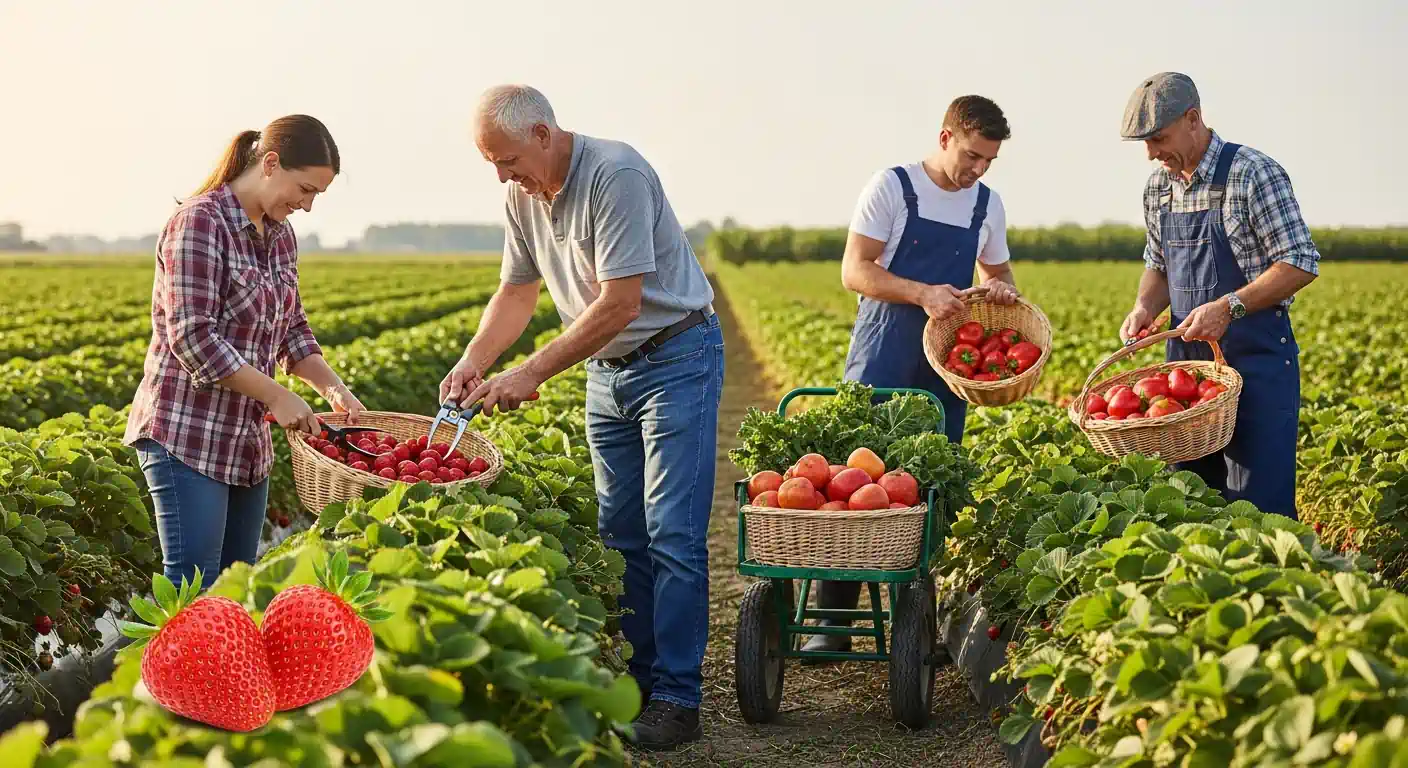
Container gardening planting offers a fantastic way to bring greenery and life to even the smallest spaces. Whether you have a sprawling patio, a tiny balcony, or just a sunny windowsill, container gardening planting allows you to cultivate a vibrant garden. This guide will delve into the essential best practices for pots and planters, ensuring your plants not only survive but thrive. We'll cover everything from selecting the right containers and soil to planting techniques and ongoing care, making your container gardening journey a success.
Key Points:
- Container Selection: Size, material, and drainage are paramount.
- Soil Matters: Use a quality potting mix, not garden soil.
- Planting Techniques: Proper spacing and depth are crucial.
- Watering Wisdom: Consistent moisture, not soggy soil.
- Nutrient Needs: Regular feeding for optimal growth.
The Foundation: Choosing the Right Pots and Planters
The success of your container gardening planting begins with the selection of appropriate pots and planters. This isn't just about aesthetics; it's about providing the right environment for your plants' roots.
Understanding Container Size and Depth
The size of your container is directly related to the mature size of the plant you intend to grow. Overcrowded roots lead to stunted growth, increased susceptibility to pests and diseases, and less frequent flowering or fruiting.
- Small containers (6-8 inches in diameter): Suitable for herbs like basil and mint, small succulents, or annual flowers like pansies.
- Medium containers (10-12 inches in diameter): Ideal for larger herbs, compact vegetables like bush beans or peppers, and medium-sized flowering plants.
- Large containers (14 inches or larger): Necessary for substantial plants such as tomatoes, larger shrubs, small trees, or deep-rooted vegetables like carrots.
Depth is as critical as diameter. Plants with extensive root systems, like tomatoes or root vegetables, require deep pots to accommodate their growth. Shallow pots can lead to frequent drying out and root binding. A general rule of thumb is to ensure the pot is at least as deep as the plant's root ball, with ample room for expansion.
The Importance of Drainage
Drainage is non-negotiable for successful container gardening planting. Plants sitting in waterlogged soil will suffer from root rot, a fungal disease that can quickly kill a plant. Ensure all your pots and planters have adequate drainage holes at the bottom.
- Terra cotta pots: Naturally porous, allowing for good air circulation and drainage, but they can dry out quickly.
- Plastic pots: Lightweight and retain moisture well, but ensure they have plenty of drainage holes.
- Glazed ceramic pots: Aesthetically pleasing, but check for sufficient drainage holes as the glaze can hinder evaporation.
- Fabric grow bags: Excellent for aeration and drainage, preventing root circling and promoting healthier root systems.
If your chosen decorative planter lacks drainage holes, you have two options: drill them yourself or use it as a cachepot, placing a smaller pot with drainage holes inside.
The Heart of the Matter: Soil and Planting Techniques
Once you have your containers ready, the next step in container gardening planting involves the growing medium and how you introduce your plants to their new home.
Selecting the Right Potting Mix
Never use soil directly from your garden in containers. Garden soil is too dense, compacts easily, and lacks the aeration necessary for healthy root development in a confined space.
A high-quality potting mix is specifically designed for containers. It typically contains a blend of peat moss, coir, perlite, and vermiculite to provide:
- Good drainage: Prevents waterlogging.
- Aeration: Allows oxygen to reach plant roots.
- Moisture retention: Holds enough water without becoming saturated.
- Nutrients: Often includes slow-release fertilizers.
You can purchase commercial potting mixes or create your own blend. For acidic-loving plants like blueberries or azaleas, you might opt for a specialized acidic potting mix.
Proper Planting Techniques
The way you plant your seedlings or transplants significantly impacts their establishment and future growth.
- Prepare the Container: If reusing pots, clean them thoroughly with soap and water to remove any lingering diseases or pests.
- Add Potting Mix: Fill the container with potting mix, leaving about 1-2 inches of space at the top to allow for watering.
- Position the Plant: Gently remove the plant from its nursery pot. If the roots are tightly bound (root-bound), gently loosen them with your fingers or make a few shallow vertical cuts on the root ball. Place the plant in the center of the new pot at the same depth it was in its original container. For tomatoes, you can plant them deeper; the buried stem will grow new roots.
- Fill and Water: Fill in around the root ball with potting mix, pressing down lightly to eliminate air pockets. Water thoroughly until water drains from the bottom holes. This settles the soil and ensures good contact with the roots.
Spacing is key even in containers. Don't overcrowd your pots. Refer to the plant's tag or research its mature size to determine how many plants can comfortably fit in a single container. Overcrowding leads to competition for resources and poor air circulation, inviting disease.
Cultivating Success: Watering and Feeding
Consistent and appropriate care is vital for thriving container gardening planting. Watering and feeding are two of the most critical aspects.
Watering Wisdom for Pots and Planters
Watering is perhaps the most challenging aspect of container gardening planting. Containers dry out much faster than garden beds because they are exposed to more air and sun.
- Check Moisture Levels: The best way to know when to water is to feel the soil. Stick your finger about 1-2 inches into the potting mix. If it feels dry, it's time to water. If it feels moist, wait.
- Water Thoroughly: When you water, do so until water runs freely from the drainage holes. This ensures the entire root ball is moistened.
- Watering Frequency: This varies greatly depending on the container size, material, plant type, and weather conditions. Hot, sunny, or windy days will require more frequent watering. Small pots may need watering daily, while larger ones might only need it every few days.
- Time of Day: Water in the early morning. This allows the plant to hydrate before the heat of the day and reduces the risk of fungal diseases that can develop on wet foliage overnight.
- Avoid Overwatering: Soggy soil is detrimental. It deprives roots of oxygen and can lead to root rot.
Differentiated Insight: Consider using self-watering containers. These have a reservoir at the bottom that wicks water up to the plant's roots as needed, providing a more consistent moisture level and reducing the frequency of manual watering. This is particularly beneficial for busy gardeners or those who struggle with consistent watering.
Feeding Your Container Plants
Potting mix provides initial nutrients, but these are depleted over time through watering and plant uptake. Regular feeding is essential for sustained growth and productivity in container gardening planting.
- Fertilizer Types:
- Liquid fertilizers: Provide nutrients quickly and are easy to apply during watering. Dilute according to package instructions.
- Slow-release granular fertilizers: Mixed into the potting soil at planting time, they release nutrients gradually over several months.
- Water-soluble fertilizers: Offer a balanced blend of nutrients and are effective for a quick boost.
- Frequency: Most flowering plants and vegetables benefit from feeding every 2-4 weeks during their active growing season. Herbs generally require less feeding.
- Nutrient Balance: Look for fertilizers with N-P-K ratios appropriate for your plants. A balanced fertilizer (e.g., 10-10-10) is good for general use. For flowering plants, a fertilizer slightly higher in phosphorus (the middle number) can encourage blooms. For leafy greens, a higher nitrogen (the first number) can promote foliage growth.
Authoritative Source Data: According to a 2024 study published by the Horticultural Research Institute, plants in containers experience nutrient depletion up to 30% faster than those in the ground, underscoring the necessity of regular fertilization.
Advanced Container Gardening Planting Strategies
To truly excel at container gardening planting, consider these advanced techniques and considerations.
Companion Planting in Pots
Just as in traditional gardens, companion planting can benefit your container plants. Certain plant combinations can deter pests, attract beneficial insects, or improve growth.
- Herbs: Basil planted with tomatoes is said to improve tomato flavor and deter tomato hornworms. Mint can deter aphids.
- Flowers: Marigolds are well-known for repelling nematodes and other soil pests. Nasturtiums can act as a trap crop for aphids.
When planning companion planting in containers, always ensure the chosen plants have similar light, water, and soil needs, and that there is adequate space for all to grow without overcrowding.
Dealing with Pests and Diseases
Container plants are not immune to pests and diseases. Good plant hygiene, proper watering, and adequate air circulation are your first lines of defense.
- Early Detection: Regularly inspect your plants, including the undersides of leaves.
- Manual Removal: For small infestations, hand-picking pests like aphids or caterpillars can be effective.
- Insecticidal Soap or Neem Oil: These organic options are effective against many common pests like spider mites, whiteflies, and aphids.
- Disease Prevention: Avoid overhead watering, especially in the evening, and remove any diseased leaves or plants promptly.
Differentiated Insight: The increased airflow in fabric grow bags can significantly reduce the incidence of fungal diseases like powdery mildew, which thrive in stagnant, humid conditions often found in conventional pots.
Conclusion: Your Thriving Container Garden Awaits
Mastering container gardening planting is an achievable and rewarding endeavor. By understanding the fundamentals of container selection, utilizing the right potting mix, employing proper planting techniques, and committing to consistent watering and feeding, you can cultivate a flourishing garden oasis. Remember to observe your plants closely, adapt your care routine as needed, and don't be afraid to experiment.
For more in-depth advice on nourishing your plants, explore related articles on plant nutrition and fertilizer types.
Frequently Asked Questions (FAQ)
Q1: How often should I water my container plants? A1: The frequency depends on plant type, pot size, and weather. Check the soil by sticking your finger 1-2 inches deep. Water when dry. Avoid letting plants sit in soggy soil.
Q2: Can I use regular garden soil in my pots? A2: No, regular garden soil compacts too easily in pots, hindering drainage and aeration. Always use a quality potting mix designed for containers.
Q3: How do I know if my container plant is getting enough sun? A3: Most plants will show signs like leggy growth and pale leaves if they aren't getting enough light. Conversely, scorched leaves or wilting in intense sun indicate too much direct light for that specific plant.
Q4: When should I repot a plant in a container? A4: Repot when you see roots growing out of drainage holes, the plant dries out very quickly, or growth has significantly slowed despite proper care. Typically, this is every 1-2 years.
Your Next Steps:
- Share Your Container Garden: We'd love to see your container gardening planting successes! Share your photos and tips in the comments below.
- Subscribe for More: Sign up for our newsletter to receive regular updates, gardening tips, and seasonal advice delivered straight to your inbox.
- Explore Further: Dive deeper into specific plant care needs by visiting our sections on vegetable gardening and flowering plant essentials.