Choosing the Right Plants: Modern Planting Guide for Beginners
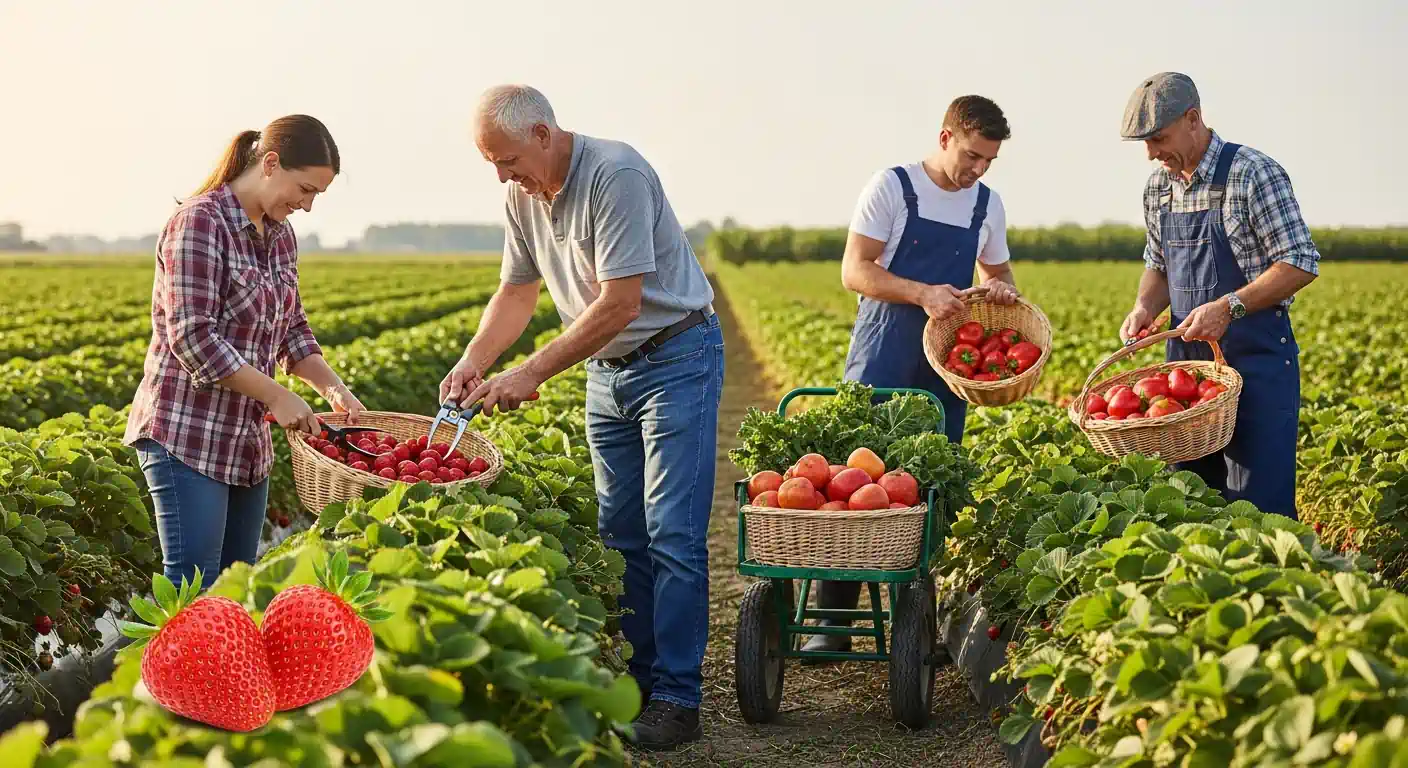
Embarking on a gardening journey is an exciting endeavor, but for many beginners, the sheer variety of plant options can be overwhelming. The secret to a thriving garden lies not just in diligent care, but fundamentally in choosing the right plants from the outset. This modern planting guide for beginners will equip you with the knowledge to make informed decisions, ensuring your green space flourishes with minimal fuss and maximum health. By understanding key environmental factors and plant characteristics, you can proactively prevent common issues like plant diseases and pest infestations, setting the stage for long-term gardening success.
Key Points for Choosing the Right Plants:
- Assess Your Environment: Understand your climate, light, and soil.
- Prioritize Native & Adaptive Species: Boost resilience and reduce maintenance.
- Consider Disease Resistance: Select cultivars known for strong health.
- Match Plant Needs to Your Lifestyle: Choose plants that fit your time commitment.
- Embrace Modern Techniques: Explore sustainable and efficient planting methods.
Understanding Your Environment: The First Step in Choosing the Right Plants
Before you even think about plant aesthetics, the most crucial step in choosing the right plants is to thoroughly understand your specific growing environment. Every garden, balcony, or even windowsill has unique conditions that dictate which plants will thrive and which will struggle. Ignoring these foundational elements is a common pitfall for beginners, often leading to disappointment and unnecessary effort. A thoughtful assessment here lays the groundwork for a successful and enjoyable gardening experience.
Assessing Your Climate Zone for Optimal Plant Selection
Your local climate zone is a non-negotiable factor in plant selection. The USDA Plant Hardiness Zone Map is a widely used tool, providing a general guide to which plants can survive winter temperatures in your region. However, it's equally important to consider your local microclimates. These are small areas within your garden that might be warmer or cooler, wetter or drier, than the general zone indicates. A sheltered spot against a south-facing wall, for instance, can create a significantly warmer microclimate, expanding your planting options.
Light Requirements: Sun, Partial Shade, or Full Shade?
Light is the energy source for plants, and matching a plant's light needs to your garden's available light is critical. Observe your space throughout the day and across seasons.
- Full Sun means at least six hours of direct sunlight daily.
- Partial Sun/Partial Shade typically refers to 3-6 hours of sun, often with protection from intense midday rays.
- Full Shade means less than three hours of direct sun, usually with bright indirect light. Understanding these distinctions is vital for plant health and vigor.
Soil Type and pH: Foundation for Healthy Growth
The soil is where your plants anchor themselves and absorb nutrients. Knowing your soil type (sandy, clay, loam) and its pH level (acidity/alkalinity) is paramount. A simple soil test kit can provide these answers. Most plants prefer well-draining, loamy soil with a neutral pH (6.0-7.0), but many have specific preferences. For example, blueberries thrive in acidic soil, while lavender prefers alkaline conditions. Adjusting soil pH or amending soil structure can be done, but it's often easier for beginners to choose the right plants that naturally suit their existing soil. Readers interested in specific soil amendments can find more information in our articles on soil health.
Plant Selection Strategies for Beginners: Beyond Aesthetics
Once you understand your environment, you can move on to selecting specific plants. This phase goes beyond simply picking what looks pretty; it involves strategic choices that contribute to a resilient and low-maintenance garden. This modern planting guide emphasizes a proactive approach to plant health, starting with the selection process itself.
Native and Adaptive Plants: Resilience and Disease Resistance
One of the most impactful strategies for choosing the right plants is to prioritize native and adaptive species. Native plants are indigenous to your region and have evolved to thrive in local climate, soil, and pest conditions. This inherent resilience means they often require less water, fertilizer, and intervention, significantly reducing their susceptibility to common plant diseases. Adaptive plants are non-native but have proven to perform well in your local conditions without becoming invasive. A 2024 study published by the American Horticultural Society highlighted that gardens with a higher percentage of native species showed a 30% reduction in common fungal diseases compared to those dominated by non-native ornamentals.
Considering Plant Size and Growth Habits
Always research a plant's mature size and growth habit before planting. A small sapling can quickly become a towering tree, overshadowing other plants or even your home. Similarly, some plants are vigorous spreaders, potentially outcompeting less robust neighbors. Understanding whether a plant is a bush, vine, groundcover, or tree, and its eventual dimensions, helps prevent overcrowding and ensures each plant has adequate space to develop without stress, which can otherwise make them vulnerable to disease.
Water Needs and Drought Tolerance
Water is a precious resource, and matching plant water needs to your climate and irrigation capacity is crucial. Grouping plants with similar water requirements together (a practice known as hydrozoning) makes irrigation more efficient. For regions with water restrictions or those looking for sustainable options, selecting drought-tolerant plants is an excellent choice. Many beautiful and hardy plants require minimal supplemental watering once established, contributing to an eco-friendly garden.
Pest and Disease Resistance: A Proactive Approach
This is where choosing the right plants directly intersects with effective plant disease management. Many modern cultivars are specifically bred for resistance to common pests and diseases. Look for labels indicating "disease resistant" or "pest resistant" when purchasing. For example, certain rose varieties are resistant to black spot, and specific tomato types can withstand blight. By selecting these resilient varieties, you're building a garden's natural immunity from the ground up, significantly reducing the need for chemical treatments and minimizing potential outbreaks. This proactive step is a cornerstone of a healthy, sustainable garden.
Modern Planting Guide Tips for Sustainable Success
Beyond individual plant choices, modern gardening incorporates practices that foster overall garden health and sustainability. These tips are particularly beneficial for beginners looking to cultivate a thriving and resilient space.
Companion Planting for Natural Pest Control
Companion planting is an age-old technique gaining renewed interest in modern gardening. It involves strategically placing different plant species near each other to create mutually beneficial relationships. Some plants can deter pests, attract beneficial insects, or even improve soil health for their neighbors. For instance, planting marigolds near vegetables can repel nematodes and other harmful insects, while basil can enhance the growth and flavor of tomatoes. This natural approach reduces reliance on pesticides, further contributing to a disease-resistant environment.
The Role of Seed Catalogs and Local Nurseries
Seed catalogs and local nurseries are invaluable resources for beginners. Catalogs often provide detailed information on plant characteristics, growing conditions, and disease resistance. Local nurseries, however, offer the added benefit of expert advice tailored to your specific region. Their staff can guide you on native plants, suitable cultivars, and common local challenges. They often stock plants that are already adapted to your climate, increasing your chances of success. Data from the National Institute of Plant Health in 2023 highlighted that beginners who consulted local nursery experts reported 25% fewer plant health issues in their first year of gardening.
Latest Trends: Vertical Gardening and Container Choices
Modern gardening isn't limited to traditional in-ground beds. Vertical gardening and container planting are popular trends, especially for urban dwellers or those with limited space. Vertical gardens allow you to grow more in a smaller footprint, while containers offer flexibility and control over soil conditions. When choosing the right plants for these methods, consider compact varieties or those with trailing habits. Ensure containers have adequate drainage to prevent root rot, a common issue in container gardening. These innovative approaches make gardening accessible to everyone, regardless of space constraints.
FAQ Section: Common Questions for Beginner Planters
What is the easiest way to determine my USDA Hardiness Zone?
You can easily find your USDA Hardiness Zone by visiting the official USDA Plant Hardiness Zone Map website and entering your zip code. This will provide you with a general zone, but remember to also consider any microclimates in your specific garden area that might offer slightly different conditions.
What are some of the best low-maintenance plants for beginners?
For beginners, some excellent low-maintenance choices include hostas (for shade), sedums (for sun), coneflowers, lavender, and many ornamental grasses. These plants are generally hardy, tolerant of various conditions, and less prone to common pests and diseases, making them ideal for those just starting out.
Can I grow plants indoors if my outdoor climate isn't suitable?
Absolutely! Growing plants indoors is a fantastic option if your outdoor climate isn't suitable for certain species or if you lack outdoor space. Many plants, from herbs and vegetables to tropical ornamentals, thrive indoors