Choosing the Right Fertilizer for Modern Planting: Expert Guide
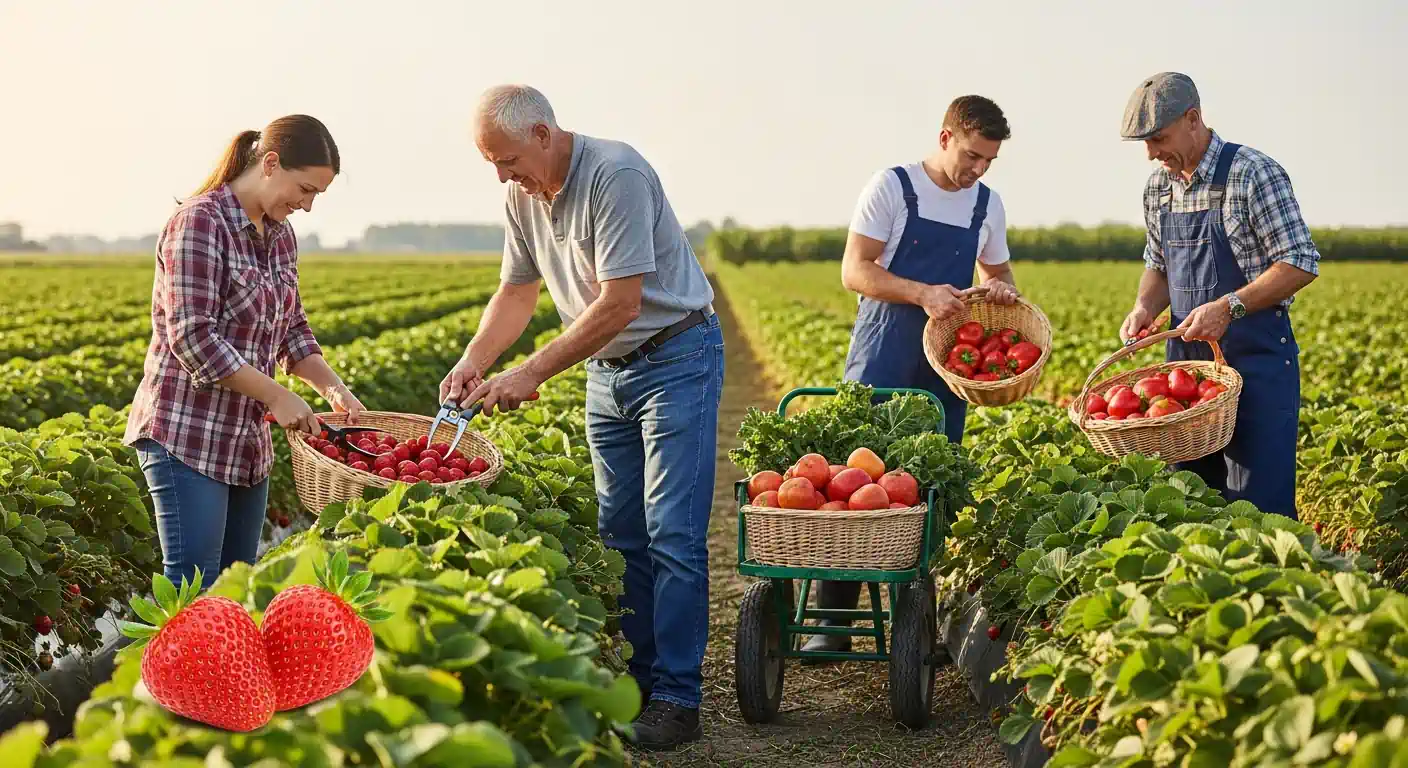
Fertilizing your plants is one of the most crucial steps in ensuring their health, vigor, and abundant yield. In the realm of modern planting, understanding how to choose the right fertilizer can seem complex, with a plethora of options available. This expert guide aims to demystify the process, helping you select the optimal nutrient blend for your specific needs, whether you're cultivating a vibrant vegetable garden, a lush ornamental landscape, or nurturing delicate indoor plants.
This comprehensive guide will equip you with the knowledge to make informed decisions, leading to healthier plants and more successful gardening endeavors.
Key Points:
- Understand Plant Needs: Different plants require varying nutrient ratios.
- Organic vs. Synthetic: Explore the benefits and drawbacks of each type.
- NPK Ratios Explained: Decipher the meaning behind the numbers on fertilizer bags.
- Specialty Fertilizers: Discover options for specific plant types or growth stages.
- Soil Testing: Recognize the importance of soil health for effective fertilization.
Understanding the Fundamentals of Plant Nutrition
Plants, much like humans, require a balanced diet to thrive. This diet is primarily composed of macronutrients and micronutrients, which are essential for various physiological processes, from photosynthesis to root development. The most critical macronutrients are Nitrogen (N), Phosphorus (P), and Potassium (K). These are often referred to as the "big three" and are prominently displayed on fertilizer packaging.
- Nitrogen (N): Primarily responsible for leaf growth and vibrant green foliage. It’s a key component of chlorophyll, the pigment that captures sunlight.
- Phosphorus (P): Crucial for root development, flowering, and fruiting. It also plays a role in energy transfer within the plant.
- Potassium (K): Essential for overall plant health, disease resistance, water regulation, and fruit quality.
Beyond these primary macronutrients, plants also need secondary macronutrients like Calcium (Ca), Magnesium (Mg), and Sulfur (S), as well as a range of micronutrients (trace elements) such as Iron (Fe), Manganese (Mn), Zinc (Zn), Copper (Cu), Boron (B), and Molybdenum (Mo). While needed in smaller quantities, deficiencies in micronutrients can severely impact plant health.
Deciphering Fertilizer Labels: The NPK Ratio
The most common way fertilizers are categorized is by their NPK ratio. This three-digit number, for example, 10-10-10 or 20-5-10, represents the percentage by weight of available Nitrogen, Phosphorus, and Potassium in the fertilizer.
- 10-10-10: This is a balanced fertilizer, meaning it contains equal parts of N, P, and K. It's a good all-purpose choice for many plants and can be used throughout the growing season for general feeding.
- 20-5-10: This fertilizer is high in Nitrogen, moderate in Phosphorus, and contains Potassium. It's excellent for promoting leafy growth, making it ideal for lawns, leafy vegetables, and houseplants during their vegetative stage.
- 5-10-10: This formulation is lower in Nitrogen and higher in Phosphorus and Potassium. It’s often recommended for flowering and fruiting plants, encouraging blooms and fruit development, and for establishing new plants to boost root growth.
When choosing the right fertilizer for modern planting, consider the specific needs of your plants and the current stage of their growth. A soil test can provide invaluable insights into what your soil is lacking, guiding you to a more precise NPK selection.
Organic vs. Synthetic Fertilizers: A Closer Look
The choice between organic and synthetic fertilizers is a significant one, with each offering distinct advantages and disadvantages. Modern planting practices often involve a blend of approaches, but understanding the core differences is key.
Organic Fertilizers
Organic fertilizers are derived from natural sources, such as animal manure, compost, bone meal, blood meal, and fish emulsion. They work by releasing nutrients slowly as they decompose in the soil, feeding the soil's microbial life.
Benefits of Organic Fertilizers:
- Improves Soil Structure: Over time, organic matter enriches the soil, enhancing its water-holding capacity and aeration.
- Slow Nutrient Release: Reduces the risk of nutrient "burn" and provides a steady supply of food to plants, minimizing leaching.
- Feeds Soil Microbes: Supports a healthy soil ecosystem, which is vital for nutrient cycling and plant resilience.
- Environmentally Friendly: Generally considered safer for the environment and less prone to runoff pollution.
Drawbacks of Organic Fertilizers:
- Slower Action: Nutrients are released gradually, so immediate results might not be as dramatic as with synthetics.
- Variable Nutrient Content: The exact nutrient composition can vary, making precise feeding more challenging without composting or specific product selection.
- Potential for Pathogens or Weed Seeds: If not properly composted, some organic materials can introduce unwanted elements.
Synthetic Fertilizers
Synthetic fertilizers are manufactured through industrial processes, resulting in concentrated, readily available nutrients. They are often formulated with precise NPK ratios and specific micronutrients.
Benefits of Synthetic Fertilizers:
- Fast-Acting: Nutrients are quickly absorbed by plants, providing rapid correction of deficiencies and visible results.
- Precise Nutrient Control: Formulated with exact NPK ratios and specific micronutrients, allowing for targeted feeding.
- Convenient and Easy to Use: Widely available in various forms (granules, liquids, powders) and straightforward to apply.
Drawbacks of Synthetic Fertilizers:
- Risk of Nutrient Burn: Over-application can damage plant roots and foliage.
- Leaching: Highly soluble nutrients can be easily washed away by rain or irrigation, potentially polluting waterways.
- Can Harm Soil Microbes: Can negatively impact beneficial soil microorganisms if used excessively or improperly.
- Environmental Concerns: Production and runoff can have environmental implications.
For those practicing modern planting techniques that emphasize sustainability and soil health, organic options are often favored. However, synthetic fertilizers can be invaluable for quick fixes or in specific situations where precise nutrient delivery is paramount.
Specialty Fertilizers for Modern Gardening Needs
Beyond the general categories, a range of specialty fertilizers caters to specific plant types, growth stages, or environmental conditions, which are increasingly important in modern planting strategies.
Fertilizers for Specific Plant Types
- Vegetable Fertilizers: Often formulated with a higher ratio of Phosphorus and Potassium to support fruit and root development, alongside adequate Nitrogen for leafy growth. Look for options designed for "fruiting vegetables" or "root vegetables."
- Lawn Fertilizers: Typically high in Nitrogen to promote lush green growth and density, often with slow-release formulations for sustained feeding.
- Flower and Bloom Boosters: These are characterized by a higher middle number (Phosphorus), encouraging abundant and vibrant blooms.
- Acid-Loving Plant Fertilizers: Formulated for plants like azaleas, rhododendrons, and blueberries, which require a lower soil pH. These often contain sulfur or ammonium sulfate to help acidify the soil.
- Fruit Tree Fertilizers: Balanced formulas with emphasis on Potassium for fruit quality, often in granular form for slow release.
Fertilizers for Specific Growth Stages
- Starter Fertilizers: These have a higher Phosphorus content to encourage strong root development in newly transplanted seedlings or seeds.
- Growth Fertilizers: Typically high in Nitrogen for vigorous vegetative growth, suitable for young plants or during their active leafy growth phase.
- Fruiting/Flowering Fertilizers: As mentioned, these boost Phosphorus and Potassium to support reproductive functions.
Differentiated Value: Slow-Release and Controlled-Release Fertilizers
Modern planting often benefits immensely from slow-release and controlled-release fertilizers. These are a significant advancement over traditional quick-release synthetics.
- Slow-Release Fertilizers: These fertilizers release nutrients gradually over an extended period (e.g., 4-8 weeks) through natural processes like microbial action or chemical breakdown. This mimics the steady supply of organic fertilizers but offers more predictable nutrient delivery.
- Controlled-Release Fertilizers (CRFs): These are often coated with a special polymer that allows water to penetrate, dissolving the fertilizer and releasing nutrients at a rate determined by temperature and moisture. This provides very precise and predictable feeding over much longer periods (e.g., 3-9 months), minimizing nutrient loss and reducing the frequency of application. This level of precision is a hallmark of modern, efficient gardening.
For example, a study published in the Journal of Plant Nutrition in 2024 highlighted how the precise nutrient release of CRFs significantly improved water-use efficiency in container-grown ornamental plants compared to conventional granular fertilizers. This is a critical consideration in water-conscious modern gardening.
The Importance of Soil Testing
Before you even pick up a bag of fertilizer, consider conducting a soil test. This is perhaps the most crucial step in choosing the right fertilizer. Soil tests, often available through local university extension offices or garden centers, reveal:
- pH Level: The acidity or alkalinity of your soil, which affects nutrient availability.
- Nutrient Levels: Current amounts of key macro and micronutrients.
- Organic Matter Content: An indicator of soil health and fertility.
Armed with this data, you can select a fertilizer that specifically addresses deficiencies in your soil, rather than guessing. Applying a fertilizer that your soil already has in abundance is wasteful and can even be detrimental. For instance, a 2023 report from the International Society of Soil Science emphasized that targeted fertilization based on soil analysis is paramount for both yield optimization and environmental protection.
Practical Application and Best Practices
Once you’ve chosen your fertilizer, how you apply it matters.
- Read the Label: Always follow the manufacturer’s instructions for application rates and methods.
- Watering: For granular fertilizers, light watering after application helps to move nutrients into the soil. For liquid fertilizers, follow dilution instructions carefully.
- Timing: Apply fertilizers when plants are actively growing. Avoid fertilizing dormant plants.
- Even Distribution: Apply evenly to avoid concentrated spots that can cause nutrient burn.
- Consider the Environment: Be mindful of proximity to waterways and avoid over-application.
Frequently Asked Questions (FAQ)
What is the best fertilizer for a new garden bed?
For new garden beds, a balanced fertilizer with an NPK ratio like 10-10-10 or a compost-rich organic blend is excellent. These provide a good mix of essential nutrients to establish healthy soil and support a wide range of plants.
How often should I fertilize my plants?
Fertilizing frequency depends on the type of fertilizer and the plant's needs. Organic fertilizers may be applied once or twice a season. Slow-release synthetics can last for months. Quick-release liquid fertilizers might be applied every 2-4 weeks during the active growing season. Always check product labels.
Can I use the same fertilizer for all my plants?
No, different plants have unique nutrient requirements. For example, leafy greens benefit from higher nitrogen, while flowering plants need more phosphorus and potassium. Using a specialized fertilizer tailored to the plant type ensures optimal growth and health.
What are the signs of over-fertilization?
Over-fertilization can lead to leaf tip burn, wilting, stunted growth, and yellowing of leaves. You might also see an excessive growth of foliage at the expense of flowers or fruits. It's crucial to adhere to recommended application rates.
Conclusion: Nurturing Growth with Informed Choices
Choosing the right fertilizer for modern planting is a blend of understanding basic plant nutrition, deciphering product labels, considering organic versus synthetic options, and leveraging advancements like slow-release formulations. By prioritizing soil health through testing and selecting fertilizers that meet your plants' specific needs, you create a foundation for vibrant, resilient, and productive gardens.
Remember, effective fertilization is not just about feeding the plant, but about nurturing a healthy ecosystem from the soil up. For more insights into soil health and its impact on plant nutrition, readers can explore related articles on soil amendments.
We encourage you to share your experiences and questions in the comments below! What are your go-to fertilizers for successful modern planting?
Expand Your Gardening Knowledge:
- Discover the benefits of composting for sustainable plant feeding.
- Learn about natural pest control methods that work in harmony with your plants.
- Explore techniques for improving soil drainage for healthier roots.