Building Soil Health Naturally: Regenerative Practices for Sustainable Gardening Success
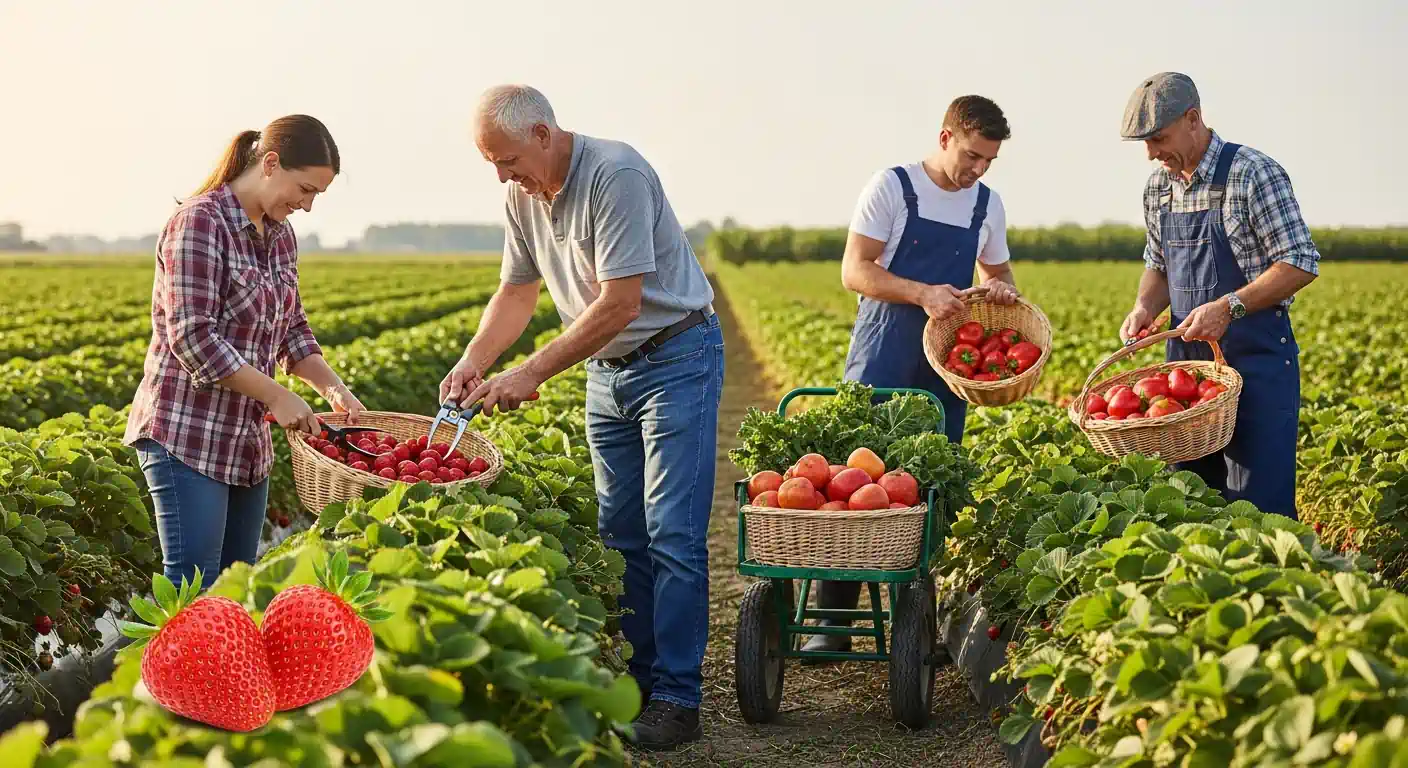
Building Soil Health Naturally: The Foundation of Sustainable Gardening Success
Every thriving garden begins beneath the surface, with a vibrant, living soil. Building soil health naturally isn't just a trend; it's a fundamental shift towards ecological principles that ensure long-term productivity and resilience. By embracing regenerative practices, gardeners can transform depleted plots into rich ecosystems, supporting healthier plants, conserving resources, and fostering biodiversity. This approach moves beyond simply adding nutrients to actively improving the soil's structure, biological activity, and water retention capabilities.
Understanding and implementing these practices is key to sustainable gardening success, allowing your garden to flourish with less external input and greater natural resistance to pests and diseases. This guide will explore the core tenets of regenerative gardening, offering practical steps to cultivate a truly living soil.
Key Points for Building Soil Health Naturally:
- Prioritize Organic Matter: Continuously add compost, mulch, and other organic materials to feed the soil.
- Minimize Soil Disturbance: Adopt no-till or low-till methods to protect soil structure and microbial life.
- Plant Diversity: Utilize cover crops and diverse planting schemes to mimic natural ecosystems.
- Water Wisely: Improve soil's water retention through organic matter and efficient irrigation.
- Feed the Soil, Not Just the Plant: Focus on supporting the soil microbiome for nutrient cycling.
Unlocking Garden Potential: Key Regenerative Practices for Soil Health
Regenerative agriculture principles, adapted for the home garden, offer a powerful toolkit for improving garden soil naturally. These practices are designed to work with nature, enhancing the soil's intrinsic ability to support life.
1. The Power of Composting and Organic Amendments
Compost is the cornerstone of any regenerative gardening system. It's not just a fertilizer; it's a soil builder, teeming with beneficial microbes and rich in humic substances. Regular application of compost significantly increases soil organic matter, which in turn improves soil structure, water retention, and nutrient availability.
- Nutrient Cycling: Compost introduces a slow-release source of essential plant nutrients, reducing reliance on synthetic fertilizers.
- Microbial Boost: It inoculates the soil with a diverse range of microorganisms crucial for breaking down organic matter and making nutrients accessible.
- Soil Structure: The stable organic compounds in compost create a crumbly, well-aerated soil structure that resists compaction.
Building soil health naturally means continuously feeding it with the rich, living material derived from your kitchen scraps and garden waste. For those new to the process, learning about making your own nutrient-rich compost is an excellent starting point.
2. Mulching for Moisture, Microbes, and Weed Suppression
Mulch acts as a protective blanket for your soil. Applying a layer of organic material like straw, wood chips, or shredded leaves offers numerous benefits for sustainable soil management tips.
- Moisture Conservation: Mulch significantly reduces water evaporation from the soil surface, lessening the need for frequent irrigation.
- Temperature Regulation: It insulates the soil, keeping it cooler in summer and warmer in winter, which benefits root growth and microbial activity.
- Weed Control: A thick layer of mulch smothers weeds, reducing competition for water and nutrients.
- Soil Food Web: As organic mulch breaks down, it continuously feeds earthworms, fungi, and bacteria, enriching the soil's biological life.
The continuous decomposition of mulch contributes to soil organic matter, directly supporting the goal of building soil health naturally. Understanding the power of mulching can dramatically reduce gardening effort while improving outcomes.
3. Cultivating with Cover Crops and Living Mulches
Cover crops are plants grown specifically to protect and enrich the soil, rather than for harvest. They are a highly effective regenerative practice for soil health.
- Erosion Control: They prevent soil erosion from wind and rain, especially during fallow periods.
- Nutrient Scavenging: Cover crops capture leftover nutrients in the soil, preventing them from leaching away, and then release them back to cash crops when tilled in (or "chopped and dropped").
- Nitrogen Fixation: Leguminous cover crops like clover or vetch fix atmospheric nitrogen, naturally enriching the soil with this vital nutrient.
- Weed Suppression & Soil Structure: Their dense growth suppresses weeds, and their root systems improve soil structure and aeration.
Integrating cover crops into your rotation is a powerful way to keep the soil alive and productive year-round. This practice is vital for building soil health naturally.
4. Minimizing Soil Disturbance: The No-Till Revolution
Traditional tilling, while seemingly beneficial, can severely disrupt the soil's delicate structure and destroy the intricate fungal networks and microbial habitats. No-till gardening, or minimal disturbance, is a core regenerative practice.
- Preserves Soil Structure: Maintaining undisturbed soil allows the natural aggregation of soil particles, leading to better aeration and water infiltration.
- Protects Soil Life: It safeguards the vast underground network of fungi, bacteria, and micro-arthropods that are essential for nutrient cycling and plant health.
- Carbon Sequestration: Undisturbed soil has a greater capacity to store carbon, contributing to climate change mitigation.
By reducing or eliminating tilling, you foster a healthier, more stable environment for your garden's foundation. Building soil health naturally means working with the soil's natural processes, not against them.
5. Embracing Diversity: Crop Rotation and Polyculture
Monoculture can deplete specific nutrients and encourage pest outbreaks. Regenerative gardens champion diversity through crop rotation and polyculture (growing multiple plant species together).
- Pest and Disease Management: Rotating crops breaks pest and disease cycles that are specific to certain plant families.
- Balanced Nutrient Use: Different plants have varying nutrient requirements; rotation helps prevent the over-depletion of any single nutrient.
- Biodiversity: Polyculture attracts beneficial insects and pollinators, creating a more resilient ecosystem.
This holistic approach enhances the garden's overall health and reduces the need for interventions.
Understanding the Soil Microbiome: A Hidden World of Benefits
The soil is not inert; it's a bustling metropolis of billions of microorganisms, often referred to as the soil microbiome. This microscopic world of bacteria, fungi, protozoa, and nematodes is the true engine of soil health.
Benefits of a Vibrant Soil Microbiome
A thriving soil microbiome is critical for plant health and resilience. These tiny inhabitants perform countless essential services:
- Nutrient Availability: Microbes convert nutrients into forms plants can readily absorb. For example, nitrogen-fixing bacteria make atmospheric nitrogen available to plants, and mycorrhizal fungi extend the plant's root system, enhancing phosphorus uptake.
- Disease Suppression: A diverse microbial community competes with and suppresses harmful pathogens, acting as a natural immune system for plants.
- Soil Structure Improvement: Fungal hyphae and bacterial secretions bind soil particles together, creating stable aggregates that improve aeration and water infiltration.
Recent research, such as a 2024 study published in the Journal of Agroecology, has further highlighted the direct correlation between soil microbial diversity and increased plant immunity against common garden diseases. Building soil health naturally is ultimately about cultivating a healthy soil food web.
Encouraging Beneficial Microbes in Your Garden
To foster a vibrant soil microbiome, focus on providing a continuous supply of organic matter and avoiding practices that harm microbial life.
- Consistent Organic Matter: Regularly add compost, mulch, and cover crop residues. These materials are the food source for your soil's microbial population.
- Minimize Chemical Inputs: Avoid synthetic fertilizers and pesticides, which can harm beneficial microorganisms.
- Maintain Moisture: Consistent soil moisture (but not waterlogging) is essential for microbial activity.
- Reduce Compaction: Loose, aerated soil allows microbes to thrive and move freely.
Beyond the Basics: Advanced Regenerative Strategies
Moving beyond foundational practices, contemporary regenerative gardening also emphasizes its role in larger ecological systems.
Soil Carbon Sequestration
Healthy soil is a powerful carbon sink. Through photosynthesis, plants capture atmospheric carbon dioxide, which is then transferred to the soil via roots and decaying organic matter. Regenerative practices, particularly no-till, cover cropping, and consistent organic matter addition, significantly increase the soil's capacity to store carbon.
Experts at the Rodale Institute noted in their 2023 report on regenerative agriculture that these practices can transform agriculture from a carbon source to a carbon sink, making your home garden a small but significant part of the climate solution. This aspect adds a powerful environmental dimension to sustainable gardening success.
Enhancing Water Retention and Resilience
A hallmark of healthy, organically rich soil is its remarkable ability to absorb and retain water. Every 1% increase in soil organic matter can help soil hold an additional 20,000 gallons of water per acre.
- Reduced Runoff: Well-structured soil absorbs rainfall efficiently, preventing runoff and erosion.
- Drought Resistance: Gardens with high organic matter content are more resilient during dry spells, requiring less supplemental irrigation. This is particularly crucial in regions facing increasing water scarcity.
Focusing on these elements makes your garden more robust and less susceptible to environmental stresses, truly embodying sustainable gardening success. For more comprehensive post-harvest care strategies, consider exploring resources at [/categories/post-harvest-care].
Why Regenerative Practices Matter for Your Garden and Beyond
Adopting regenerative practices for building soil health naturally offers a myriad of benefits, from your backyard to the global environment. You'll observe healthier, more productive plants that are less prone to disease and pests. Your garden will become more resilient to climatic changes, requiring less water and fewer external inputs. Furthermore, by fostering a thriving soil ecosystem, you contribute to local biodiversity and help mitigate climate change through carbon sequestration.
It’s a win-win approach: a healthier garden for you, and a healthier planet for everyone.
Frequently Asked Questions About Building Soil Health Naturally
Q: How quickly can I see results from regenerative practices?
A: While significant long-term changes to soil structure and organic matter take several seasons or years, you can often see initial improvements in plant vigor, water absorption, and reduced pest issues within the first year. Consistent application of practices like mulching and composting will show noticeable benefits quickly, while deeper soil changes will develop over time.
Q: Do I still need to fertilize if I'm practicing regenerative gardening?
A: With consistent regenerative practices, especially rich composting and cover cropping, your need for external fertilizers will significantly decrease or even be eliminated. The focus shifts from feeding the plant directly to feeding the soil, allowing the soil's natural systems to provide nutrients. Occasional soil tests can help determine if any specific micronutrients are lacking.
Q: Can regenerative gardening be applied to container gardens?
A: Absolutely! Many regenerative principles, such as using high-quality organic potting mixes, applying organic mulches, minimizing disturbance, and incorporating compost, are highly beneficial for container gardens. While crop rotation is more challenging, diversifying plantings and regularly replenishing organic matter are key to maintaining healthy soil in pots.
Q: Is regenerative gardening more expensive or time-consuming initially?
A: While there might be an initial investment in materials like compost bins or cover crop seeds, regenerative gardening often reduces long-term costs associated with synthetic fertilizers, pesticides, and excessive watering. It can be more time-consuming upfront as you build systems (like composting), but over time, it often leads to less work due to healthier plants and reduced pest/weed pressure.
Cultivate a Living Garden: Your Next Steps
Embracing regenerative practices for building soil health naturally is a journey, not a destination. Start small by integrating one or two practices, like consistent mulching or starting a compost pile, and observe the transformative effects on your garden. Share your experiences with fellow gardeners and inspire a community committed to sustainable practices.
We encourage you to experiment, learn, and grow alongside your soil. Have you tried any regenerative practices in your garden? Share your insights and questions in the comments below!
Extended Reading Suggestions:
- The Benefits of Mycorrhizal Fungi in Your Garden: Explore how these fascinating fungal networks can revolutionize plant health.
- Designing a Diverse & Resilient Home Food Forest: Learn about permaculture principles for ultimate garden biodiversity.
- Advanced Techniques for Soil Carbon Sequestration in Small Spaces: Delve deeper into making your garden a climate hero.