Building Healthy Organic Soil: Proven Composting and Mulching Techniques for Sustainable Gardens
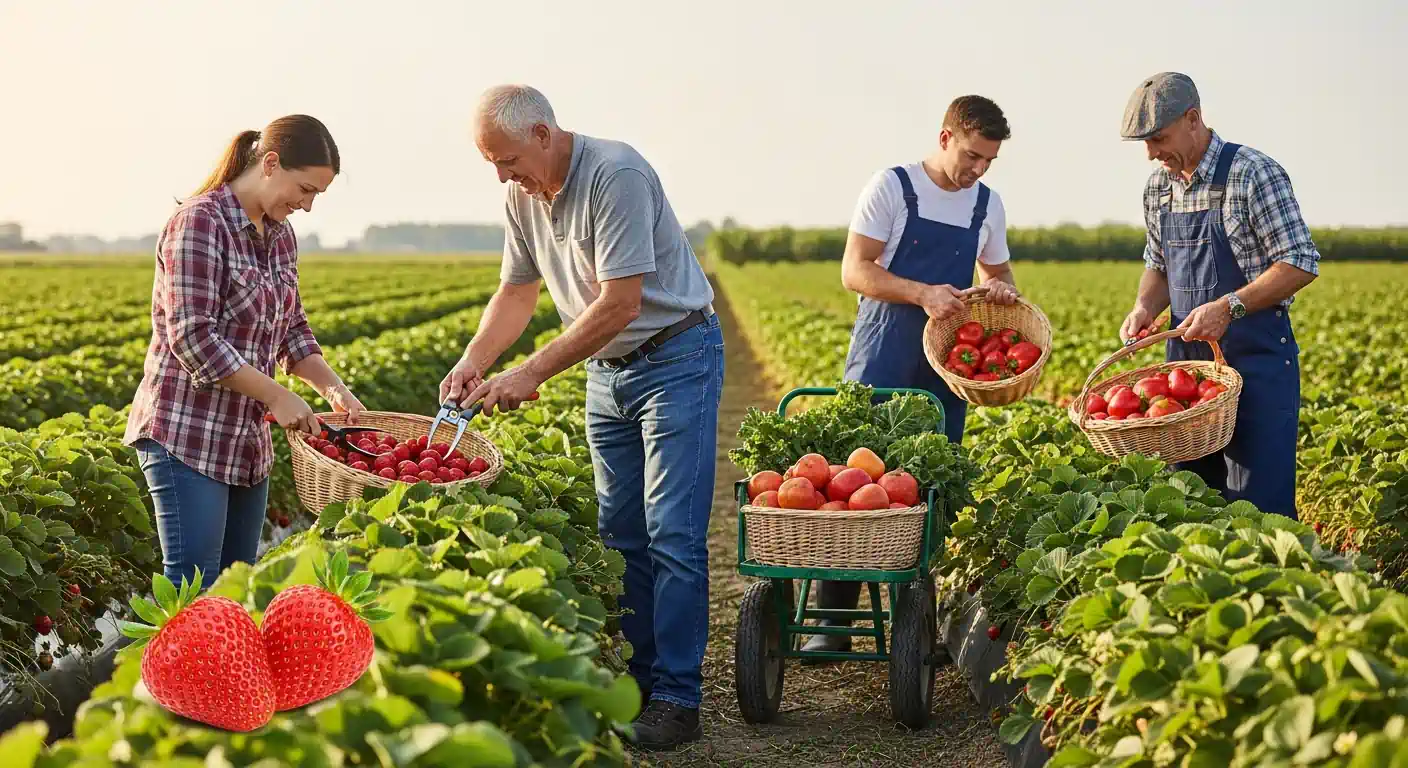
Transforming your garden into a vibrant, productive oasis begins with one fundamental element: healthy soil. At its heart, building healthy organic soil is about nurturing the living ecosystem beneath your feet, providing the essential nutrients, structure, and microbial activity plants need to thrive. This guide delves into two cornerstone practices of organic gardening—composting and mulching—offering proven techniques that not only improve soil fertility but also foster sustainable, resilient gardens. Whether you're a seasoned gardener or just starting out, understanding these methods is crucial for cultivating a garden that gives back year after year. Let's explore how simple, consistent efforts can lead to extraordinary soil health and abundant harvests.
Key Points for Building Healthy Organic Soil:
- Composting Enriches Soil: Convert organic waste into nutrient-dense humus.
- Mulching Protects & Nurtures: Conserve moisture, suppress weeds, and regulate soil temperature.
- Boosts Soil Biology: Both techniques foster beneficial microorganisms and earthworms.
- Reduces Chemical Dependency: Naturally enhances fertility, minimizing synthetic inputs.
- Supports Sustainable Growth: Builds a resilient ecosystem for long-term garden health.
The Foundation of Fertility: Understanding Healthy Organic Soil
Healthy organic soil is more than just dirt; it's a dynamic, living system teeming with microorganisms, fungi, and invertebrates that collaborate to cycle nutrients and support plant life. When we talk about building healthy organic soil, we're aiming for a rich, dark, crumbly texture that retains moisture yet drains well, providing ample air pockets for root respiration. This ideal state is largely achieved through the consistent addition of organic matter, which acts as the lifeblood of the soil food web.
Organic matter improves soil structure, increases water infiltration and retention, and buffers against pH fluctuations. Furthermore, it's the primary food source for beneficial soil microbes, which break down organic materials into forms plants can readily absorb. A soil rich in organic matter is also more resilient to pests, diseases, and environmental stresses, leading to stronger, healthier plants and more bountiful harvests.
Composting Techniques for Superior Soil Health
Composting is an ancient yet ever-relevant practice that transforms kitchen scraps, yard waste, and other organic materials into a dark, crumbly, nutrient-rich soil amendment known as compost. This "black gold" is indispensable for building healthy organic soil.
Starting Your Compost Journey: Essential Considerations
Before you begin, decide on your composting method. Options range from simple piles to advanced, enclosed systems. For home gardeners, common choices include:
- Hot Composting: Achieves high temperatures (130-160°F or 54-71°C), breaking down materials quickly, often within weeks. Requires a balanced mix of "greens" (nitrogen-rich, like food scraps) and "browns" (carbon-rich, like dry leaves), along with regular turning and moisture monitoring.
- Cold Composting: A slower, more passive approach where materials are simply layered and left to decompose over months or even a year. Less labor-intensive but takes longer and may not kill all weed seeds or pathogens.
- Worm Composting (Vermicomposting): Uses red wiggler worms to process food scraps into nutrient-dense worm castings. Ideal for small spaces or indoor composting, producing an excellent soil amendment and "compost tea."
The Art of Balancing "Greens" and "Browns"
Successful composting hinges on a proper carbon-to-nitrogen (C:N) ratio, ideally around 25-30:1.
- Greens (Nitrogen-Rich): Provide the protein for microorganisms.
- Fresh grass clippings
- Fruit and vegetable scraps
- Coffee grounds and tea bags
- Manure (herbivore, like chicken or horse)
- Browns (Carbon-Rich): Provide energy and structure for microorganisms.
- Dry leaves
- Shredded newspaper/cardboard
- Wood chips or sawdust
- Straw or hay
Aim for roughly twice as many browns as greens by volume. Chop materials into smaller pieces to speed up decomposition. Regularly turn your compost pile (especially for hot composting) to aerate it and mix ingredients, ensuring even decomposition and preventing anaerobic conditions that can cause odors. A 2024 study published by the University of California Cooperative Extension highlights the significant impact of consistent organic matter application from well-managed compost on improving soil water holding capacity and nutrient availability.
Differentiated Insight: Compost Extracts for Targeted Nutrition
Beyond direct compost application, consider using compost extracts or teas. While often confused, an extract is a simple water extraction of beneficial microbes and nutrients from finished compost, used as a foliar spray or soil drench. It's less about direct fertilization and more about inoculating plants and soil with beneficial biology. My own experience over two decades of cultivating various garden types confirms that incorporating compost extracts into a watering regimen can significantly boost plant vigor and disease resistance, especially for container gardening practices. This targeted approach can be particularly effective in boosting microbial activity in specific garden zones or for ailing plants, providing a living supplement without heavy nutrient loads.
Mulching Techniques for Sustainable Gardens
Mulching is the practice of covering the soil surface with a layer of organic or inorganic material. For sustainable gardens and building healthy soil, organic mulches are generally preferred as they offer multiple benefits beyond just aesthetics.
The Multifaceted Benefits of Mulch
- Moisture Retention: Mulch acts as a barrier, reducing water evaporation from the soil surface, meaning you water less often.
- Weed Suppression: A thick layer of mulch blocks sunlight, inhibiting weed seed germination and growth, reducing competition for nutrients and water.
- Temperature Regulation: Mulch insulates the soil, keeping it cooler in summer and warmer in winter, which protects plant roots from extreme temperatures.
- Soil Structure Improvement: As organic mulches decompose, they release nutrients into the soil and contribute to organic matter, enhancing soil structure and feeding the soil food web.
- Erosion Control: Mulch protects the soil from the impact of heavy rain and wind, preventing erosion and loss of topsoil.
Choosing the Right Mulch for Your Garden
The best mulch depends on your specific needs and available resources.
- Wood Chips/Shredded Bark: Excellent for long-term weed suppression and moisture retention. Decomposes slowly, adding organic matter over time. Best for perennial beds, trees, and shrubs.
- Straw: Lightweight, inexpensive, and breaks down relatively quickly, adding significant organic matter. Ideal for vegetable gardens, especially around fruiting plants. Ensure it's straw, not hay, to avoid weed seeds.
- Grass Clippings: Free and readily available. Apply in thin layers (no more than 1-2 inches) to prevent matting and anaerobic decomposition. Rich in nitrogen, they can boost soil fertility.
- Compost: Finished compost itself makes an exceptional mulch. It enriches the soil directly while providing all the benefits of other mulches.
- Leaf Mold: Decomposed leaves create a light, nutrient-rich, and moisture-retentive mulch that mimics forest floor conditions.
When applying mulch, aim for a 2-4 inch layer, keeping it a few inches away from plant stems and tree trunks to prevent rot and pest issues.
Differentiated Insight: Living Mulches and Cover Cropping
Beyond traditional static mulches, consider living mulches or cover cropping for enhanced soil health, especially in a no-dig gardening system. Plants like clover, vetch, or even certain herbs can be grown between rows or around larger plants. They suppress weeds, fix nitrogen (legumes), protect the soil from erosion, and contribute organic matter when they eventually decompose or are "chopped and dropped." The latest report from the Rodale Institute (2023) consistently demonstrates that regenerative organic practices, including strategic cover cropping and mulching, can significantly enhance soil carbon sequestration and overall soil resilience. This approach builds biodiversity both above and below ground, creating a truly robust and self-sustaining ecosystem.
Integrating Composting and Mulching for Maximum Impact
For optimal results in building healthy organic soil, composting and mulching should be seen as complementary practices. Start by amending your soil with a generous layer of finished compost before planting. This immediately infuses the soil with nutrients and beneficial microbes. Then, apply an appropriate organic mulch on top. The mulch will protect the compost layer, regulate soil conditions, and gradually break down, adding further organic matter and feeding the very microbes you introduced with the compost.
Regularly replenish your mulch as it decomposes and add fresh compost annually. This consistent cycling of organic matter is key to creating a thriving, fertile soil environment that minimizes the need for external inputs and supports a truly sustainable garden for years to come. For specific challenges, like understanding your soil's pH or managing soil compaction, continuous application of compost and mulch will naturally improve the situation over time.
FAQ: Your Questions About Building Healthy Organic Soil Answered
Q1: How often should I add compost to my garden soil?
A: Generally, it's beneficial to add a 1-2 inch layer of finished compost to your garden beds annually, typically in the spring before planting or in the fall after harvest. For newly established beds or particularly depleted soil, you might apply compost twice a year. Regular, moderate applications are more effective than infrequent, heavy doses for consistently building healthy organic soil.
Q2: Can too much mulch be harmful to my plants?
A: Yes, too much mulch can be detrimental. Applying an excessively thick layer (more than 4-6 inches) can smother plant roots, prevent adequate air circulation, and create an overly damp environment conducive to fungal diseases and pests. Always leave a few inches of space around plant stems and tree trunks to prevent rot and root collar issues.
Q3: What's the biggest mistake beginners make with composting?
A: One of the most common mistakes is not balancing "greens" (nitrogen-rich) and "browns" (carbon-rich) effectively. Too many greens can lead to a smelly, slimy pile, while too many browns will result in a slow, dry decomposition process. Another frequent error is neglecting to turn or aerate the pile, which can lead to anaerobic conditions and unpleasant odors, hindering the process of creating nutrient-rich compost for building healthy organic soil.
Q4: Is it better to buy compost or make my own?
A: Making your own compost is highly recommended as it's free, reduces waste, and allows you to control the ingredients, ensuring it's truly organic. However, if you have limited space or time, purchasing high-quality, certified organic compost from a reputable supplier is an excellent alternative. The most important thing is ensuring a consistent supply of organic matter for building healthy organic soil in your garden.
Cultivate a Greener Tomorrow
Embarking on the journey of building healthy organic soil through proven composting and mulching techniques is one of the most impactful decisions you can make for your garden and the environment. These practices not only lead to more robust plants and abundant harvests but also reduce waste, conserve water, and foster a biodiverse ecosystem right in your backyard. Start small, observe your soil, and delight in the transformation.
We encourage you to share your composting and mulching success stories in the comments below! What techniques have worked best for you in sustainable gardens? For further reading on related topics, explore our articles on [/articles/creating-a-thriving-no-dig-garden] or delve into specific advice for [/categories/container-gardening]. Together, let's cultivate a greener, healthier future, one garden at a time.