Beginner's Guide to Modern Planting: Best Practices for Healthy Growth
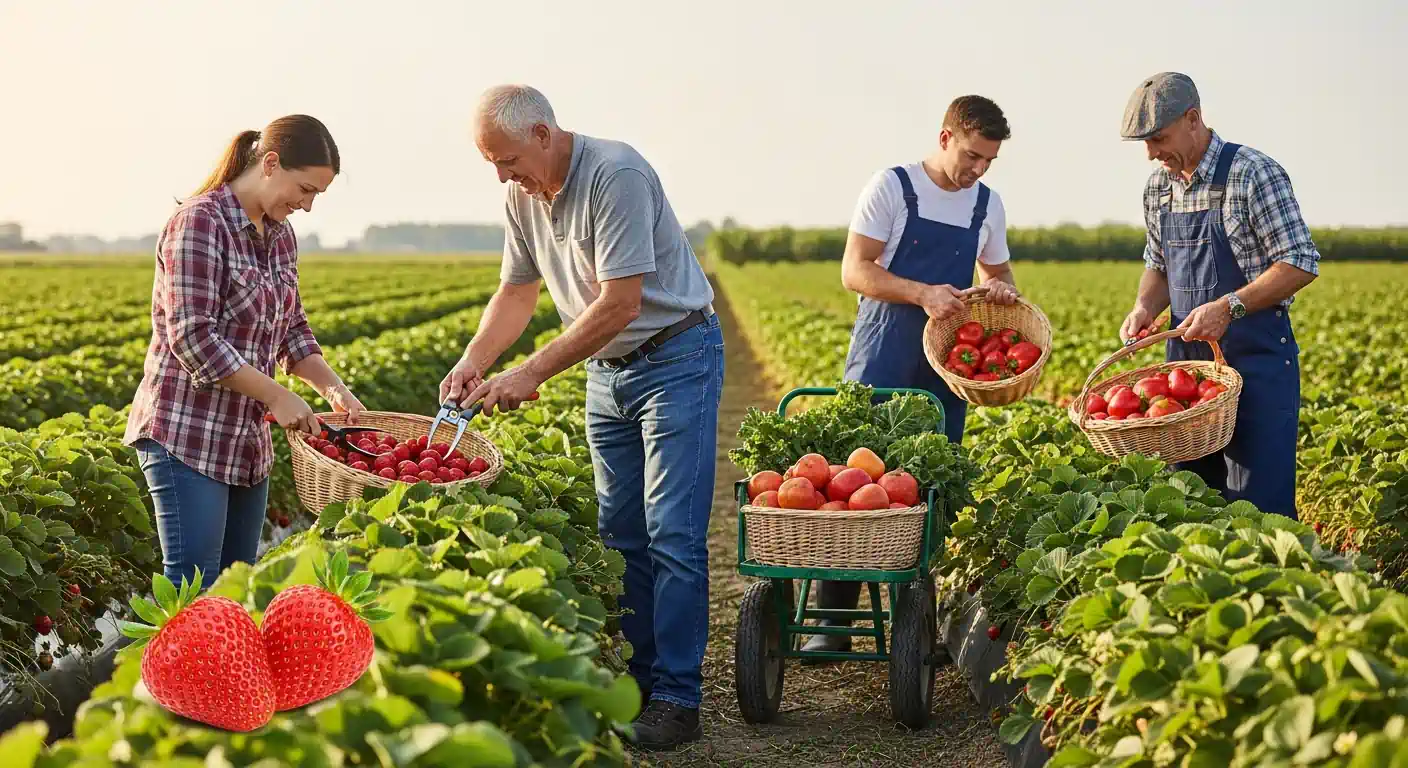
Beginner's Guide to Modern Planting: Best Practices for Healthy Growth
Embarking on a gardening journey can be incredibly rewarding, especially when armed with the right knowledge. This Beginner's Guide to Modern Planting is designed to equip you with the best practices for healthy growth, transforming your green aspirations into thriving realities. Modern planting moves beyond traditional methods, integrating sustainable techniques, smart technology, and a deeper understanding of plant science to cultivate robust and productive gardens. Whether you're starting a small herb garden or planning a bountiful vegetable patch, mastering these foundational principles will ensure your plants flourish.
Key Points for Healthy Growth:
- Understand Your Soil: The bedrock of all healthy plants.
- Embrace Smart Watering: Efficient hydration is crucial.
- Prioritize Nutrient Balance: Feed your plants precisely what they need.
- Practice Integrated Pest Management: Protect your garden naturally.
- Utilize Modern Techniques: Leverage raised beds and companion planting for success.
Understanding Modern Planting: Beyond the Basics
Modern planting is an evolution of gardening, focusing on efficiency, sustainability, and maximizing plant health through informed choices. It's about creating an optimal environment for your plants using current research and eco-friendly approaches. This involves everything from advanced soil analysis to water-saving irrigation systems. The goal is not just to grow plants, but to grow healthy plants that are resilient, productive, and contribute positively to their environment. For beginners, adopting these practices from the outset sets a strong foundation for long-term gardening success.
The Foundation: Optimal Soil Preparation Methods
Healthy soil is the cornerstone of any successful garden. It provides essential nutrients, proper aeration, and adequate drainage, all vital for robust root development and overall healthy growth. Neglecting soil preparation can lead to stunted plants and frustrating results. Modern planting emphasizes a proactive approach to soil care, treating it as a living ecosystem.
Soil Health Assessment: Your First Step
Before you even think about planting, understanding your soil's current condition is paramount. This involves more than just a visual inspection. Modern gardeners utilize comprehensive soil testing to determine pH levels, nutrient composition, and even microbial activity. Basic kits can test pH and major nutrients (N-P-K), but advanced services now offer detailed analyses, including micronutrients and organic matter content. For instance, some labs provide insights into your soil's biological health, identifying beneficial microbes that are crucial for nutrient cycling. This data-driven approach allows for targeted amendments, preventing guesswork and ensuring your plants get exactly what they need.
Amending Your Soil for Peak Performance
Once you know your soil's profile, you can begin the process of amendment. This is where you enrich and balance your soil to create an ideal growing medium. Incorporating high-quality compost is a universal best practice, adding a wealth of organic matter, improving soil structure, and slowly releasing nutrients. Beyond compost, consider specific amendments based on your soil test. For example, gypsum can improve clay soil structure, while lime or sulfur can adjust pH. A cutting-edge trend in modern planting is the use of biochar, a charcoal-like substance that significantly enhances soil fertility, water retention, and microbial life over the long term. This sustainable amendment can sequester carbon, making your garden more environmentally friendly.
Essential Modern Planting Techniques for Beginners
Beyond soil, several techniques are crucial for fostering healthy growth in a modern garden. These methods are designed to optimize resource use and minimize common gardening challenges.
Smart Watering Systems and Practices
Efficient watering is critical for plant health and water conservation. Overwatering can lead to root rot, while underwatering causes stress. Modern planting advocates for precision irrigation. Drip irrigation systems deliver water directly to the plant roots, minimizing evaporation and runoff. Pairing these systems with moisture sensors takes efficiency to the next level. These sensors can automatically trigger irrigation only when the soil moisture drops below a certain threshold, saving water and ensuring plants are never thirsty or waterlogged. According to a study published in the Journal of Agricultural Science in 2024, smart irrigation systems can reduce water consumption in home gardens by up to 40% compared to traditional methods.
Nutrient Management: Feeding Your Plants Right
Just like humans, plants need a balanced diet. Modern planting focuses on sustainable nutrient delivery. Slow-release granular fertilizers provide a steady supply of nutrients over weeks or months, preventing nutrient shock and waste. Liquid feeds offer quick boosts, ideal for heavy feeders or during specific growth stages. Foliar sprays, applied directly to leaves, are excellent for delivering micronutrients rapidly. The key is to understand your plants' specific needs and apply nutrients judiciously, often guided by your initial soil test results. For a deeper dive into specific nutrient deficiencies, readers can explore related articles on plant nutrition.
Integrated Pest Management (IPM) for Sustainable Gardens
Pests are an inevitable part of gardening, but modern planting emphasizes prevention and ecological balance over harsh chemical interventions. Integrated Pest Management (IPM) is a holistic approach that starts with healthy plants, as strong plants are more resistant to pests. This includes choosing pest-resistant varieties, maintaining good garden hygiene, and encouraging beneficial insects like ladybugs and lacewings. When pests do appear, IPM prioritizes non-chemical solutions such as hand-picking, insecticidal soaps, or introducing biological controls. Only as a last resort are targeted, low-impact pesticides considered.
Advanced Tips for Sustaining Healthy Plant Growth
Once you've mastered the basics, incorporating more advanced techniques can further enhance your garden's productivity and resilience. These practices contribute significantly to long-term healthy growth.
Crop Rotation and Companion Planting Benefits
Crop rotation involves changing the location of specific plant families each season. This practice helps prevent the build-up of soil-borne diseases and pests specific to certain crops, while also balancing nutrient depletion. For example, following a heavy feeder like corn with a nitrogen-fixing legume like beans can naturally enrich the soil. Companion planting involves growing certain plants together to mutual benefit, such as deterring pests, attracting beneficial insects, or improving growth. Marigolds, for instance, are known to repel nematodes and other harmful insects.
Utilizing Raised Beds and Container Gardening
Raised beds and container gardening offer significant advantages, especially for beginners or those with poor native soil. They provide excellent drainage, allow for precise control over soil composition, and can extend the growing season as the soil warms faster. Raised beds also reduce bending and kneeling, making gardening more accessible. According to a study published in Horticulture Today in 2023, raised beds can increase yield by up to 25% in urban environments due to improved soil conditions and temperature regulation. Containers offer flexibility, allowing you to move plants to optimize sunlight or protect them from adverse weather.
Troubleshooting Common Modern Planting Challenges
Even with the best practices, challenges can arise. Stunted growth, yellowing leaves, or wilting are common indicators of underlying issues. Often, these point back to soil imbalances, improper watering, or nutrient deficiencies. A systematic approach to troubleshooting involves checking soil moisture