Avoid Common Beginner Mistakes: Modern Planting Techniques for First-Time Gardeners
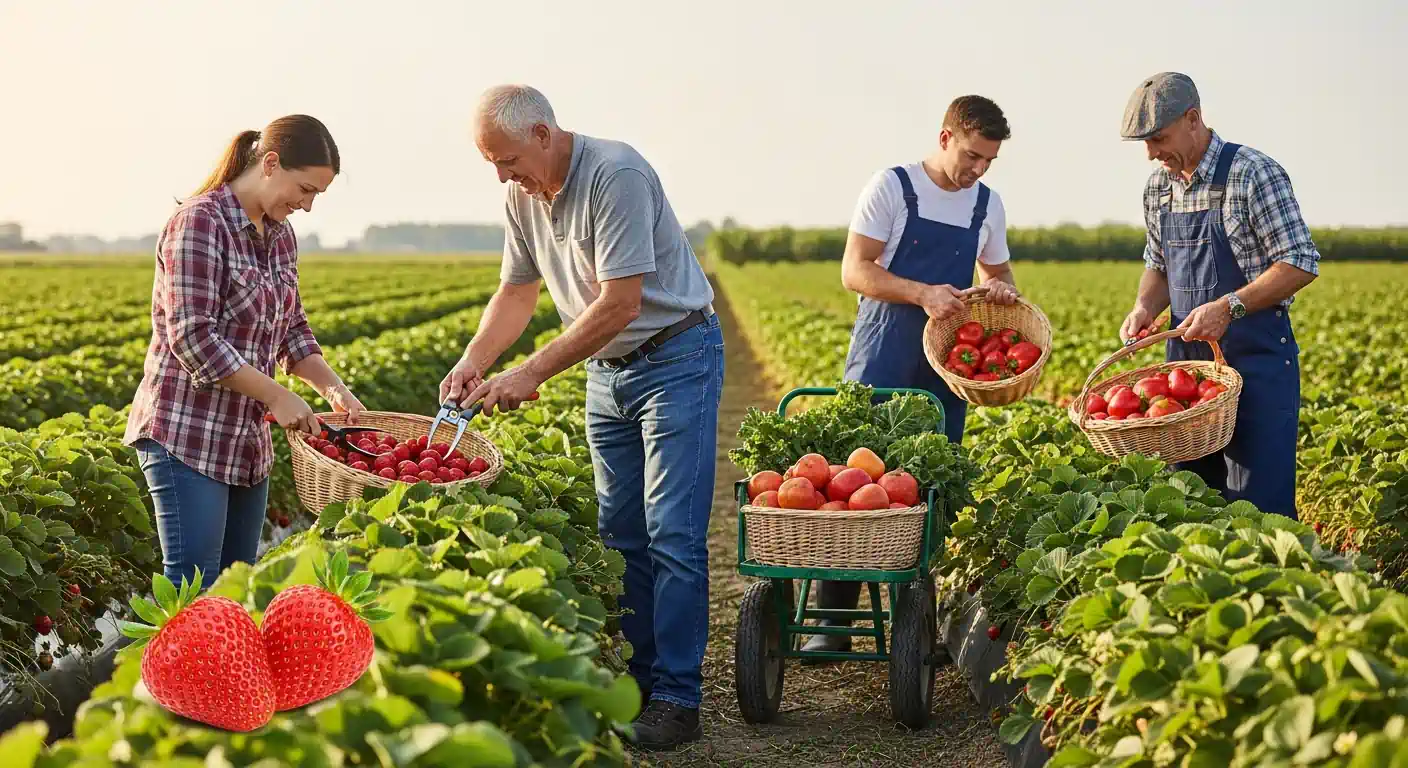
Embarking on your gardening journey is an exciting prospect, promising fresh produce, beautiful blooms, and a deeper connection with nature. However, many first-time gardeners encounter common pitfalls that can quickly dampen their enthusiasm. From struggling with soil to battling pests, these initial frustrations can feel overwhelming. The good news is that modern planting techniques offer a wealth of solutions, empowering new gardeners to avoid these beginner mistakes and cultivate a thriving garden from day one. This guide will walk you through contemporary approaches that prioritize efficiency, sustainability, and plant health, setting you up for lasting success.
Key Points for First-Time Gardeners
- Prioritize Soil Health: Understand that the foundation of a successful garden is living, nutrient-rich soil.
- Embrace Smart Planning: Choose the right plants and locations, and optimize seed starting for strong growth.
- Utilize Efficient Systems: Adopt modern watering and feeding methods to conserve resources and boost plant vigor.
- Practice Proactive Prevention: Implement integrated pest management and companion planting to deter problems naturally.
- Leverage Technology: Explore simple tools and sensors that make gardening easier and more effective for new gardeners.
Understanding Soil Health: The Foundation of Modern Planting Techniques
One of the most significant common beginner mistakes is underestimating the importance of healthy soil. Many first-time gardeners focus solely on the plants, overlooking the vital ecosystem beneath their feet. Modern planting techniques emphasize a holistic approach to soil, treating it as a living organism essential for robust plant growth.
Soil Testing for First-Time Gardeners
Before you even think about planting, getting a soil test is a crucial first step. This simple analysis reveals your soil's pH level and nutrient composition, offering invaluable insights. Knowing what your soil lacks or has in excess prevents costly guesswork and ensures you amend it appropriately. You can find affordable soil test kits online or through local agricultural extension offices. From my experience, skipping this step often leads to stunted growth and nutrient deficiencies that are difficult to diagnose later.
Building Healthy Soil Organically
Creating rich, vibrant soil is not about pouring synthetic fertilizers; it's about fostering a thriving soil microbiome. Incorporating organic matter like compost, aged manure, and leaf mold dramatically improves soil structure, water retention, and nutrient availability. This approach supports beneficial microbes and fungi, which are integral to plant health. Modern gardeners often practice no-till or minimum-till methods to preserve this delicate soil ecosystem, preventing disturbance that can harm beneficial organisms. For more comprehensive insights into soil preparation, consider exploring resources on preparing your garden bed.
Smart Seed Starting: Avoiding Common Beginner Mistakes
Starting plants from seed can be incredibly rewarding, but it's also where many first-time gardeners encounter challenges. From improper germination to weak seedlings, these issues can be easily avoided with modern techniques.
Choosing the Right Seeds and Seedlings
The success of your garden begins with choosing the right varieties adapted to your local climate. Research your USDA hardiness zone and select seeds or seedlings that thrive in your specific conditions. Opt for disease-resistant varieties when possible, as this proactive step can save you considerable effort later. For optimal results, select reputable seed suppliers known for quality and germination rates. Understanding your climate zone is key; you can learn more about choosing the right plants for your climate to make informed decisions.
Optimizing Germination with Modern Methods
Modern seed starting focuses on creating ideal conditions for germination and early growth. Using seed starting mixes designed for seedlings, rather than heavy garden soil, provides the necessary light, airy environment. Controlled environments, whether through simple humidity domes or more advanced grow lights, ensure consistent moisture and temperature. Techniques like bottom watering for seed trays prevent damping-off disease, a common issue where young seedlings suddenly collapse. Proper light exposure after germination is also critical; weak, leggy seedlings are often a result of insufficient light.
Efficient Watering and Nutrition for New Gardeners
Inefficient watering and improper fertilization are common pitfalls for first-time gardeners, leading to wasted resources and unhealthy plants. Modern approaches emphasize precision and sustainability.
Precision Watering Systems
Gone are the days of aimless overhead watering. Modern planting techniques advocate for precision watering systems like drip irrigation or soaker hoses. These methods deliver water directly to the plant's root zone, minimizing evaporation and runoff. This not only conserves water but also prevents fungal diseases that can arise from wet foliage. Smart moisture sensors, an increasingly popular tool, can inform you precisely when your plants need water, preventing both over and under-watering. According to a 2024 report by the Sustainable Gardening Institute, drip irrigation can reduce water usage by up to 50% compared to traditional methods.
Sustainable Feeding Strategies
Just like with watering, modern nutrition focuses on feeding the soil, not just the plant. Organic fertilizers, such as compost tea, worm castings, or slow-release granular organic feeds, provide a steady supply of nutrients over time. This approach prevents the boom-and-bust cycles associated with synthetic fertilizers and supports the long-term health of your soil and plants. I've observed that plants fed with organic methods often develop stronger root systems and greater resilience to environmental stressors.
Pest and Disease Prevention: A Proactive Approach
Dealing with pests and diseases can be incredibly frustrating for first-time gardeners, often leading to reliance on harsh chemical solutions. Modern planting techniques prioritize prevention and ecological balance.
Integrated Pest Management (IPM) Basics
Integrated Pest Management (IPM) is a holistic strategy that minimizes pesticide use by focusing on understanding and preventing pest problems. For beginners, this means regularly inspecting your plants for early signs of pests, hand-picking larger insects, and using organic solutions like neem oil or insecticidal soap only when necessary. Identifying pests accurately is the first step towards effective, targeted treatment.
Companion Planting: An Eco-Friendly Solution
Companion planting is an age-old technique experiencing a modern resurgence. By strategically placing certain plants together, you can naturally deter pests, attract beneficial insects, and even improve growth. For example, planting marigolds near vegetables can repel nematodes and other harmful insects, while dill or parsley can attract predatory wasps that control aphids. This method creates a more resilient and balanced garden ecosystem, reducing your reliance on interventions.
Embracing Technology in Your First Garden
Technology isn't just for professionals; it's making gardening more accessible and successful for first-time gardeners. Integrating simple tech can significantly reduce common beginner mistakes.
Sensors and Automation for Beginner Gardeners
From basic soil moisture meters to advanced smart garden hubs, technology can take the guesswork out of plant care. Soil moisture sensors tell you exactly when to water, preventing the common mistake of overwatering. pH meters help you quickly assess soil acidity. For those with larger ambitions, automated irrigation systems can schedule watering cycles, ensuring consistent care even when you're away. Data from Horticulture Tech Review in early 2025 indicated a 30% reduction in plant loss among beginner gardeners using basic automation.
Vertical Gardening for Small Spaces
One of the biggest modern trends, particularly for urban dwellers or those with limited outdoor space, is vertical gardening. This innovative approach allows you to grow a surprising amount of produce or flowers in a small footprint. Utilizing wall-mounted planters, tiered systems, or hydroponic towers, vertical gardens make efficient use of space and can be surprisingly low-maintenance. They're also an excellent way to keep plants off the ground, potentially reducing pest and disease issues.
Frequently Asked Questions
Q: What are the absolute essentials for a first-time gardener to start with? A: For first-time gardeners, the essentials include good quality potting mix or compost, basic hand tools (trowel, pruners), a reliable watering can or hose, and seeds or young plants suitable for your climate. Starting with easy-to-grow plants like radishes, lettuce, or herbs can build confidence. Don't forget to choose a sunny spot!
Q: How often should I water new plants using modern techniques? A: Modern watering techniques, such as drip irrigation or using soil moisture sensors, focus on consistency and efficiency. Instead of a fixed schedule, water when the top inch or two of soil feels dry. This typically means deep, infrequent watering. Aim to keep the soil consistently moist but never soggy, especially for new plants establishing their root systems.
Q: Can I use modern planting techniques in a small apartment or balcony? A: Absolutely! Many modern planting techniques are perfectly suited for small spaces. Vertical gardening systems, container gardening, and even smart hydroponic setups are ideal for apartments or balconies. Focusing on soil health, efficient watering, and choosing compact plant varieties will ensure success, regardless of your space limitations.
Q: Is organic gardening always considered a 'modern' technique? A: While organic gardening has roots in traditional practices, its emphasis on soil biology, sustainable resource management, and ecological balance aligns perfectly with modern, forward-thinking planting techniques. Many contemporary innovations, like specific beneficial microbial inoculants or advanced composting methods, enhance organic principles, making them very much a part of modern gardening.
Your Journey to a Thriving Garden Begins Now
Avoiding common beginner mistakes and embracing modern planting techniques can transform your gardening experience from challenging to deeply rewarding. By focusing on fundamental principles like soil health, smart planning, efficient resource management, and proactive problem-solving, you're building a foundation for sustainable success. Remember, gardening is a continuous learning process, and every season brings new insights.
We encourage you to share your own gardening discoveries or ask any questions in the comments below! What modern technique has helped you the most as a first-time gardener?
Further Reading Suggestions:
- Explore our detailed guide on seasonal planting guides for year-round success.
- Dive deeper into the benefits of specific companion planting strategies for your vegetable patch.
- Learn about advanced soil microbiome enhancement to unlock your garden's full potential.
(This article's information is current as of its publication date, 2025-11-25. We recommend reviewing updated research periodically for the latest advancements in horticultural science.)