Automating Your Greenhouse: Smart Systems for Optimal Climate Control and Growth
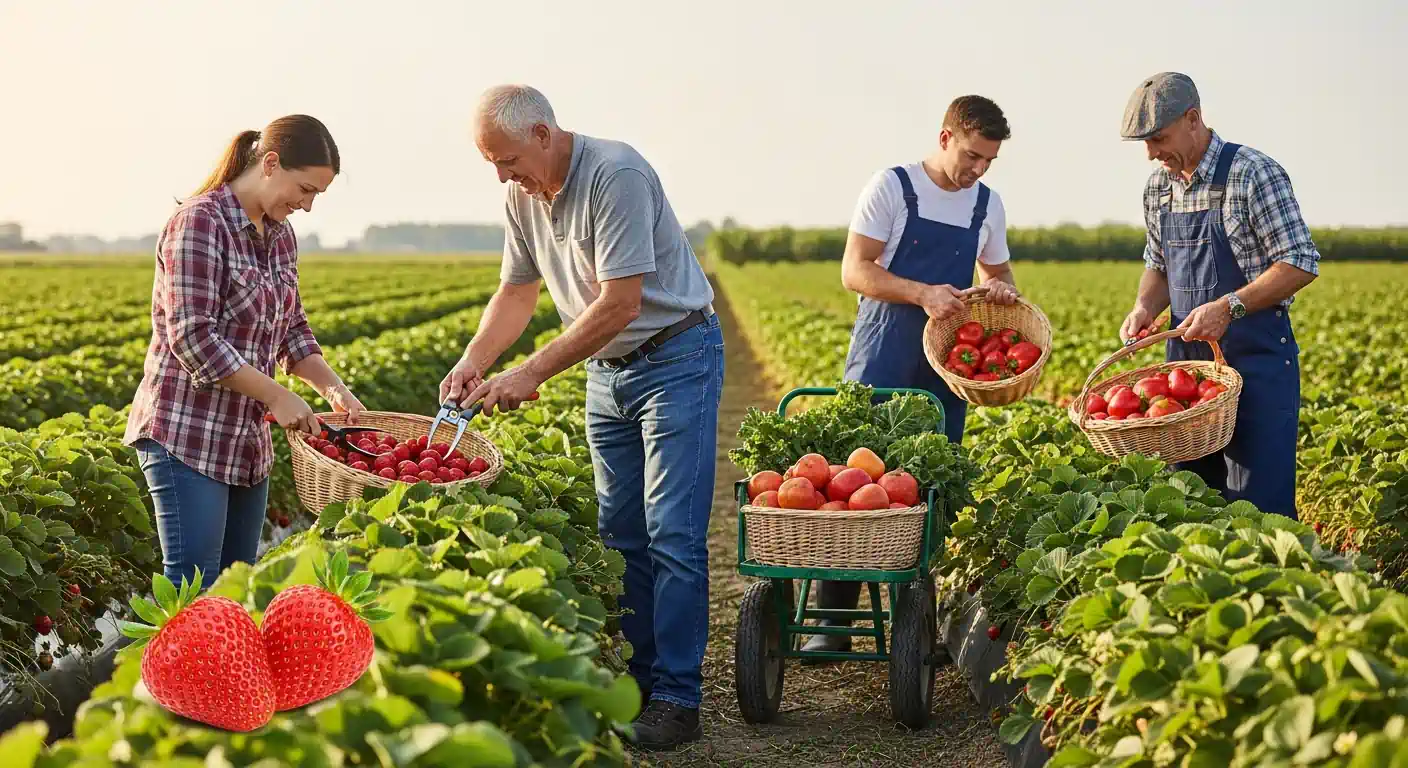
Automating Your Greenhouse: The Future of Optimal Growth
Welcome to the future of cultivation! Automating your greenhouse is no longer a luxury but a strategic move for growers aiming for peak efficiency and superior yields. Smart systems for climate control and growth management are transforming traditional horticulture into a precision science. By integrating advanced technology, growers can create ideal microclimates for their plants, ensuring consistent conditions that foster robust health and maximum productivity. This article delves into how smart automation can revolutionize your greenhouse operations, offering unparalleled control over crucial environmental factors.
Key Points:
- Precision Control: Maintain optimal temperature, humidity, and light levels automatically.
- Resource Efficiency: Reduce water, energy, and nutrient waste through intelligent systems.
- Enhanced Yields: Consistent, ideal conditions lead to healthier plants and higher quality produce.
- Remote Management: Monitor and adjust your greenhouse from anywhere, anytime.
- Reduced Labor: Automate routine tasks, freeing up valuable time for strategic planning.
The Power of Smart Systems for Automating Your Greenhouse
Modern agriculture demands precision, and nowhere is this more evident than in greenhouse cultivation. Automating your greenhouse with smart systems empowers growers to achieve unprecedented levels of control over their growing environment. These integrated technologies monitor, analyze, and adjust critical parameters in real-time, moving beyond manual adjustments to create a truly responsive and optimized space for plants to thrive.
Core Components of Smart Greenhouse Automation
Understanding the individual elements that make up an intelligent greenhouse system is crucial for effective implementation. Each component plays a vital role in maintaining the delicate balance required for optimal plant development.
Environmental Sensors: The Eyes and Ears of Your Greenhouse
At the heart of any smart greenhouse are its environmental sensors. These devices continuously gather data on key metrics such as temperature, humidity, CO2 levels, soil moisture, pH, and even light intensity. Modern sensors offer high accuracy and real-time data transmission, providing the foundational information for automated decisions. For instance, according to a report by Agri-Tech Innovations published in 2024, the deployment of advanced hyperspectral imaging sensors has improved early disease detection rates by over 30% in commercial hydroponic setups.
Automated Climate Control: Maintaining the Perfect Atmosphere
Once data is collected, automated climate control systems spring into action. These systems use the sensor data to adjust heating, cooling, ventilation, and humidification units without human intervention. Imagine a scenario where the temperature rises unexpectedly; your smart system will automatically activate cooling fans or open vents to bring conditions back to the ideal range. This proactive approach prevents stress on plants and conserves energy by only engaging systems when necessary.
Smart Irrigation and Nutrient Delivery Systems
Water and nutrients are lifeblood for plants. Automated irrigation systems deliver precise amounts of water directly to the root zone, often incorporating fertigation to supply nutrients simultaneously. Drip irrigation, nutrient film technique (NFT), or deep water culture (DWC) systems can be integrated with sensors that measure soil moisture or nutrient conductivity (EC), ensuring plants receive exactly what they need, when they need it. This not only optimizes plant health but also significantly reduces water and fertilizer waste, aligning perfectly with sustainable hydroponic growing methods. For more detailed insights into efficient water usage, explore our guide on [/categories/hydroponic-techniques].
Dynamic Lighting Control for Enhanced Photosynthesis
Light is essential for photosynthesis, and smart lighting systems take control to a new level. Beyond simple on/off schedules, these systems can adjust light intensity, spectrum, and duration based on plant growth stages, time of day, and natural light availability. Advanced LED grow lights, often integrated into these systems, allow for fine-tuning the light recipe, promoting specific growth traits like flowering or fruiting. This level of granular control ensures plants always receive the optimal light exposure for their metabolic needs.
The Transformative Benefits of Automating Your Greenhouse Operations
Implementing smart systems extends far beyond mere convenience; it brings about tangible benefits that impact profitability, sustainability, and quality.
Enhanced Yield and Superior Crop Quality
By maintaining consistent, optimal growing conditions around the clock, automated greenhouses minimize plant stress and accelerate growth cycles. This consistency directly translates to higher yields and improved crop quality. Plants grown in meticulously controlled environments often exhibit better flavor, texture, and nutritional value, fetching premium prices in the market.
Significant Resource Efficiency and Sustainability
Automating your greenhouse is a cornerstone of sustainable agriculture. Precision control over water, nutrients, and energy dramatically reduces waste. Smart irrigation systems prevent overwatering, while intelligent climate control minimizes unnecessary heating or cooling. A study published in "Agricultural Automation Journal" in late 2023 highlighted that greenhouses utilizing full automation systems reported up to a 40% reduction in water consumption compared to traditionally managed operations. This efficiency is critical for both environmental responsibility and operational cost savings.
Reduced Labor Costs and Human Error
Routine tasks like watering, ventilation adjustments, and nutrient mixing can be entirely automated. This frees up human labor to focus on more complex tasks such as plant inspection, pest management, and strategic planning. Furthermore, automation eliminates the inconsistencies and potential errors that can arise from manual operation, ensuring a more reliable and stable growing environment. This reduction in manual intervention contributes significantly to the overall efficiency of an operation.
Remote Monitoring and Control for Unmatched Flexibility
One of the most appealing aspects of smart greenhouses is the ability to monitor and control your entire operation from anywhere in the world. Using a smartphone, tablet, or computer, growers can check sensor data, adjust settings, and receive alerts about critical issues. This capability offers unprecedented flexibility and peace of mind, especially for large-scale operations or those managing multiple sites.
Choosing the Right Automation System for Your Automated Greenhouse
Selecting the appropriate smart system is a critical decision. It depends on your specific needs, crop type, budget, and future expansion plans.
Scalability and Modularity: Growing with Your Needs
Look for systems that are scalable and modular. A system that can expand as your operation grows, allowing you to add more sensors, actuators, or zones without overhauling the entire setup, will save significant time and money in the long run. Flexibility in configuration is key to adapting to evolving agricultural demands.
Integration Capabilities: A Seamless Ecosystem
Ensure the automation system can integrate seamlessly with other existing or planned technologies. Compatibility with different hardware brands, software platforms, and data analytics tools is crucial for building a cohesive and efficient greenhouse ecosystem. Systems that offer open APIs are often a good indicator of strong integration potential. For more on integrating various technologies, consider reading about [/articles/advanced-sensor-technologies-for-precision-agriculture].
User Interface and Data Analytics: Insights at Your Fingertips
A well-designed user interface (UI) is intuitive and provides clear visualizations of complex data. Beyond basic monitoring, look for systems that offer robust data analytics. These capabilities can identify trends, predict potential issues, and provide actionable insights to further optimize your growing strategies. Data-driven decisions are the hallmark of advanced horticulture.
Emerging Trends and Differentiated Value in Smart Greenhouses
The field of greenhouse automation is constantly evolving, with new technologies offering even greater potential.
AI and Machine Learning for Predictive Growth
The integration of Artificial intelligence (AI) and Machine Learning (ML) algorithms is a significant differentiator in the latest smart greenhouse systems. These technologies can analyze vast datasets from sensors, historical climate patterns, and plant growth models to predict future conditions and proactively adjust settings. Imagine a system that learns your plants' specific needs and fine-tunes parameters not just reactively, but predictively, optimizing for maximum yield and quality before issues even arise. This level of intelligent foresight is transforming the cultivation landscape.
IoT and Cloud-Based Platforms for Global Connectivity
The Internet of Things (IoT) combined with robust cloud-based platforms is enabling unprecedented connectivity and data processing. Modern systems leverage IoT sensors to send data directly to cloud servers, where powerful analytics can be performed. This allows for global accessibility and the ability to compare performance across different greenhouses or even different regions, fostering a community of data-driven growers. This distributed intelligence offers unique opportunities for collaboration and continuous improvement that traditional systems cannot match. According to a 2025 forecast by "Global Agri-Tech Insights," the adoption of cloud-managed greenhouse systems is projected to increase by 25% year-over-year, driven by their scalability and advanced analytics capabilities.
Frequently Asked Questions (FAQ) about Greenhouse Automation
Q: What is the initial investment required for automating a greenhouse?
A: The initial investment for automating your greenhouse can vary significantly based on size, complexity, and desired features. A small hobby greenhouse might cost a few hundred to a couple thousand dollars for basic automation, while commercial-scale operations can range from tens of thousands to hundreds of thousands of dollars. Factors like sensor type, control system sophistication, and hardware integration play a major role in the overall cost. However, the long-term savings in labor, resources, and increased yields often provide a strong return on investment.
Q: Can existing greenhouses be retrofitted with smart automation systems?
A: Absolutely. Many existing greenhouses can be successfully retrofitted with smart automation systems. The modular nature of most modern components allows for incremental upgrades. You can start with basic environmental sensors and automated ventilation, then expand to include automated irrigation, lighting control, and advanced nutrient delivery over time. It's often more cost-effective to upgrade in stages, integrating new technologies with existing infrastructure where possible, rather than building an entirely new setup.
Q: How do smart greenhouse systems ensure data security and privacy?
A: Data security and privacy are paramount in smart greenhouse systems. Reputable manufacturers implement robust encryption protocols for data transmission and storage, often using cloud platforms with enterprise-level security measures. Access controls, user authentication, and regular security audits are standard practices. Growers should choose systems from providers with a strong track record in data protection and inquire about their specific security features and compliance with data privacy regulations to ensure their operational data remains secure and confidential.
Q: What kind of technical expertise is needed to operate an automated greenhouse?
A: While the installation of complex automated systems might require professional assistance, operating modern smart greenhouses is designed to be user-friendly. Most systems feature intuitive dashboards and mobile apps, allowing growers to monitor and control operations with relative ease. Basic understanding of plant physiology and environmental parameters is beneficial, but the system's analytics and alerts often guide decision-making. Continuous learning and familiarity with the software interface will enhance a grower's ability to optimize settings over time.
Embrace the Future of Cultivation
Automating your greenhouse with smart systems is a clear path to achieving unparalleled control, efficiency, and productivity. By leveraging precision climate control, intelligent irrigation, and dynamic lighting, growers can cultivate healthier plants, reduce waste, and ultimately, secure a more profitable and sustainable future. The continuous evolution of AI and IoT technologies further promises even more sophisticated and autonomous growing environments.
Don't let your greenhouse fall behind. Explore the vast possibilities of smart automation to elevate your growing operation. We encourage you to share your experiences with greenhouse automation in the comments below, or subscribe to our newsletter for the latest insights into hydroponic innovations and smart farming techniques. For more in-depth articles, continue your journey by exploring other topics in our [/categories/hydroponic-techniques] section.