Advanced Planting Techniques: Elevate Your Garden with Modern Methods
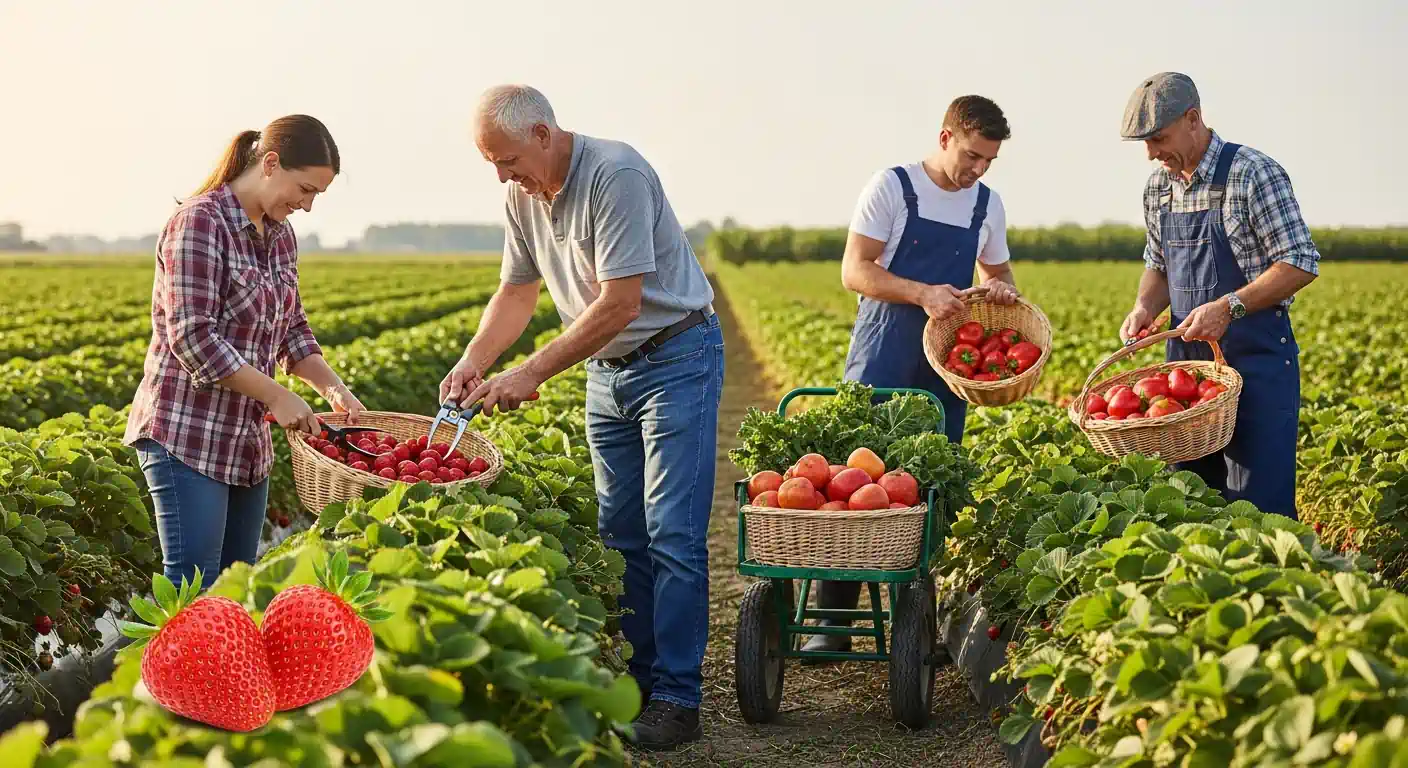
Advanced Planting Techniques: Elevate Your Garden with Modern Methods
Gardening is an ancient practice, but its methods are constantly evolving. For enthusiasts looking to move beyond basic seed sowing, understanding advanced planting techniques can dramatically transform your garden's productivity and health. These modern approaches offer solutions to common gardening challenges, from limited space to unpredictable weather, helping you cultivate a thriving oasis. By embracing innovative strategies, you can achieve remarkable results, whether you're growing vegetables, herbs, or ornamental plants. This guide explores cutting-edge methods designed to elevate your gardening experience and yield impressive harvests.
Key Points:
- Optimized Soil Health: Implement advanced soil testing and amendment strategies for superior plant nutrition.
- Precision Watering: Utilize smart irrigation systems to conserve water and deliver optimal moisture.
- Controlled Environments: Explore hydroponics and vertical gardening for year-round cultivation.
- Integrated Pest Management: Adopt eco-friendly, proactive strategies to protect your plants.
- Sustainable Practices: Embrace methods that reduce environmental impact and enhance garden resilience.
Mastering Soil Health: The Foundation of Advanced Planting Techniques
The cornerstone of any successful garden lies beneath the surface: its soil. Moving beyond basic composting, advanced planting techniques emphasize a deep understanding and proactive management of soil health. This involves not just adding organic matter, but also understanding the intricate microbial ecosystem and nutrient balance.
Comprehensive Soil Analysis for Optimal Growth
Before you even think about planting, a detailed soil analysis is crucial. Standard kits offer basic pH and NPK readings, but advanced testing can reveal micronutrient deficiencies, organic matter content, and even soil texture composition. For instance, a 2024 study published by the Journal of Agricultural Science highlighted how precise micronutrient adjustments, guided by detailed soil reports, significantly boosted crop yields in urban gardens. Understanding your soil's unique profile allows for targeted amendments, preventing over-fertilization and ensuring plants receive exactly what they need.
Enhancing Soil Structure and Microbial Life
Beyond chemical composition, soil structure and its living inhabitants are vital.
- Biochar Integration: Incorporating biochar, a charcoal-like substance, can dramatically improve soil structure, water retention, and nutrient availability. It also provides a habitat for beneficial microbes.
- Mycorrhizal Fungi Inoculation: Introducing mycorrhizal fungi directly to plant roots establishes a symbiotic relationship, extending the root system's reach for water and nutrients. This is particularly beneficial in less fertile soils.
- Cover Cropping and Green Manures: Planting specific crops like clover or vetch during fallow periods enriches the soil, prevents erosion, and suppresses weeds, naturally preparing the bed for the next growing season. This is a fundamental sustainable planting practice.
Precision Watering and Nutrient Delivery for Elevated Gardens
Efficient water and nutrient management are critical advanced planting techniques that minimize waste and maximize plant vitality. Over or under-watering can stress plants, making them susceptible to disease and reducing yields.
Smart Irrigation Systems
Modern technology offers sophisticated solutions for watering.
- Drip Irrigation: Delivers water directly to the root zone, minimizing evaporation and runoff. This method is highly efficient and reduces water consumption by up to 50% compared to traditional sprinklers.
- Sensor-Based Systems: Soil moisture sensors can be integrated with irrigation systems to water only when necessary, adapting to weather changes and plant needs. This ensures optimal moisture levels without guesswork.
- Rainwater Harvesting: Collecting rainwater in barrels or larger systems provides a sustainable, chlorine-free water source for your garden, reducing reliance on municipal water.
Optimized Nutrient Delivery
Beyond basic fertilizers, consider these methods for superior nutrient management:
- Fertigation: Combining fertilization with irrigation, delivering soluble nutrients directly to the root zone through drip lines. This ensures precise, consistent feeding.
- Foliar Feeding: Applying liquid nutrients directly to plant leaves, which can be absorbed quickly. This is particularly effective for addressing immediate nutrient deficiencies or providing a boost during critical growth stages.
- Compost Teas and Extracts: Brewing nutrient-rich compost into a liquid feed provides a gentle, biologically active boost to plants and soil microbes.
Embracing Controlled Environments: Modern Gardening Methods
For gardeners facing space constraints, harsh climates, or simply seeking year-round production, controlled environment agriculture offers exciting modern gardening methods. These advanced planting techniques allow for greater control over growing conditions, leading to higher yields and healthier plants.
Vertical Gardening Systems
Vertical gardening maximizes space by growing plants upwards.
- Hydroponic Towers: These self-contained units use nutrient-rich water to grow plants without soil, often in a stacked configuration. They are ideal for herbs, leafy greens, and strawberries.
- Living Walls: Structural systems that support plants on a vertical surface, perfect for aesthetic appeal and growing smaller edibles in urban settings.
- Pallet Gardens: A DIY-friendly option, repurposing wooden pallets into tiered planters.
Hydroponics and Aeroponics for Home Growers
These soilless systems represent the pinnacle of advanced planting techniques for controlled environments.
- Hydroponics: Plants grow with their roots immersed in nutrient-rich water. Systems range from simple deep water culture (DWC) to more complex ebb and flow setups. A 2023 report by GreenTech Solutions noted a significant increase in home hydroponic system adoption due to their water efficiency and faster growth rates.
- Aeroponics: An even more advanced method where plant roots are suspended in air and misted with nutrient solution. This technique offers superior oxygenation to roots, often leading to even faster growth than hydroponics. While more complex, compact aeroponic units are becoming accessible for home use.
Integrated Pest Management (IPM) and Disease Prevention
Protecting your plants from pests and diseases is crucial for a successful harvest. Advanced planting techniques move beyond reactive spraying to proactive, integrated strategies that prioritize ecological balance.
Biological Controls and Companion Planting
- Beneficial Insects: Introduce natural predators like ladybugs for aphids or parasitic wasps for caterpillars. Creating a habitat for these insects is a key part of sustainable planting.
- Companion Planting: Strategically placing certain plants together can deter pests or attract beneficial insects. For example, marigolds are known to repel nematodes, while nasturtiums can act as a trap crop for aphids.
Proactive Disease Prevention
- Crop Rotation: Changing the location of specific crops each season breaks disease cycles and prevents the buildup of soil-borne pathogens.
- Sanitation: Regularly cleaning tools, removing diseased plant material, and using sterile potting mixes are simple yet effective measures.
- Resistant Varieties: Choosing plant varieties bred for resistance to common local diseases significantly reduces the need for chemical interventions.
Sustainable Practices for a Resilient Garden
Integrating sustainability into your advanced planting techniques not only benefits the environment but also creates a more resilient and self-sufficient garden.
- Water Conservation: Beyond smart irrigation, consider xeriscaping principles in appropriate zones, choosing drought-tolerant plants, and mulching heavily to retain soil moisture.
- Energy Efficiency: For indoor growing, optimize lighting schedules and consider energy-efficient LED grow lights. Passive solar design can also be incorporated into greenhouse setups.
- Waste Reduction: Embrace composting all garden and kitchen organic waste. Explore vermicomposting (worm composting) for highly nutrient-rich soil amendments.
FAQ Section
Q1: What are the primary benefits of adopting advanced planting techniques?
A1: Adopting advanced planting techniques offers numerous benefits, including increased yields, more efficient use of water and nutrients, reduced pest and disease issues, and the ability to grow a wider variety of plants, even in challenging environments. These methods lead to healthier, more robust plants and a more sustainable gardening practice overall, making your efforts more rewarding.
Q2: Is advanced soil testing really necessary for a home garden?
A2: While not strictly mandatory for every gardener, advanced soil testing is highly recommended for anyone serious about optimizing their garden's performance. It provides precise data on nutrient levels, pH, and soil composition, allowing for targeted amendments. This prevents guesswork, saves money on unnecessary fertilizers, and ensures your plants receive the ideal conditions for vigorous growth, a key aspect of elevating your garden.
Q3: Can hydroponics be used for all types of plants?
A3: Hydroponics is incredibly versatile, but it's best suited for certain types of plants. Leafy greens like lettuce, spinach, and kale, as well as herbs, strawberries, and many peppers and tomatoes, thrive in hydroponic systems. Root vegetables like carrots and potatoes, or very large, woody plants, are generally less suitable due to their specific growth requirements and the physical constraints of most hydroponic setups.
Q4: How can I start implementing sustainable planting practices in my existing garden?
A4: Begin by integrating small changes. Start composting kitchen scraps and garden waste, use mulch generously to conserve water, and explore companion planting for natural pest control. Gradually introduce cover crops in fallow beds, and consider installing a simple drip irrigation system. These steps, part of modern gardening methods, will significantly enhance your garden's sustainability over time without requiring a complete overhaul.
Conclusion: Elevate Your Garden with Modern Methods
Embracing advanced planting techniques is a journey towards a more productive, resilient, and sustainable garden. From meticulously managing soil health and implementing precision watering to exploring innovative controlled environments like hydroponics and vertical gardening, these methods empower you to overcome traditional gardening limitations. By adopting these modern gardening methods, you're not just growing plants; you're cultivating a deeper understanding of ecological principles and maximizing your garden's potential.
We encourage you to experiment with these strategies, starting with one or two that resonate most with your gardening goals. Share your experiences and insights in the comments below – your journey can inspire others! For further exploration, consider delving into articles on advanced seed starting techniques or optimizing nutrient solutions for soilless growing. The world of gardening is continually evolving, and staying informed is key to a flourishing garden.
Expandable Related Subtopics for Future Updates:
- Permaculture Design Principles for Urban Gardens: Applying permaculture concepts to small spaces.
- DIY Smart Garden Sensors and Automation: Building your own low-cost monitoring systems.
- Advanced Pest Identification and Biological Control Strategies: Detailed guides on specific pests and their natural enemies.