Actionable Advice for Successful Plant Growth: Modern Planting Strategies
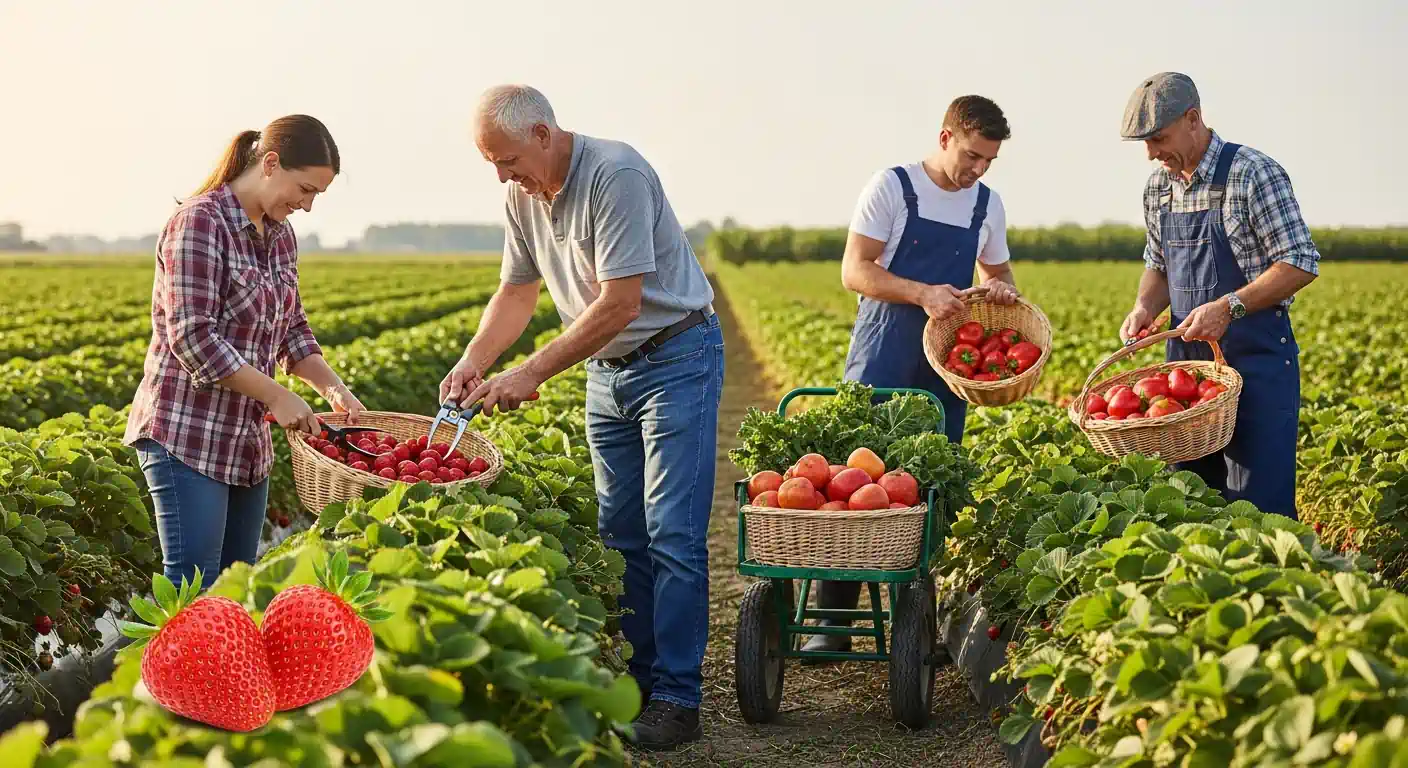
Cultivating a thriving garden, whether it’s a lush indoor jungle or a bountiful vegetable patch, relies on more than just luck. Understanding modern planting strategies is crucial for ensuring your plants receive the optimal conditions for success. This guide offers actionable advice to elevate your planting game, from selecting the right soil to implementing intelligent watering techniques. By adopting these contemporary approaches, you can nurture healthier, more resilient plants and achieve a garden that truly flourishes.
Here are the key takeaways from this guide:
- Soil Science Simplified: Understanding the right soil composition for your plants.
- Smart Watering Systems: Leveraging technology and techniques for efficient hydration.
- Nutrient Management: Providing essential elements for robust growth.
- Light Optimization: Ensuring plants get the right amount of sunlight or artificial light.
- Pest and Disease Prevention: Proactive strategies for a healthy ecosystem.
Achieving Successful Plant Growth with Modern Planting Strategies
Modern planting strategies go beyond traditional methods, integrating scientific understanding and technological advancements to enhance plant health and yield. The goal is to create an environment that mimics a plant’s natural habitat while optimizing for human-centric outcomes, such as faster growth, higher yields, or greater resilience to environmental stressors. This approach focuses on precision, sustainability, and a holistic understanding of plant needs. For anyone looking to achieve successful plant growth, embracing these modern techniques is essential.
Understanding Your Plant's Needs: The Foundation of Modern Planting
Before any seed hits the soil, a thorough understanding of the plant’s specific requirements is paramount. This involves researching its native environment, preferred light conditions, water needs, and nutrient preferences. Modern gardening emphasizes a data-driven approach, where observation and research inform every planting decision.
Soil: More Than Just Dirt
The rhizosphere, or the area of soil directly influenced by plant roots, is a complex ecosystem. Modern planting strategies recognize soil not just as a medium for anchorage but as a living entity rich in microorganisms.
- Optimizing Soil Structure: Different plants thrive in varying soil types. Loamy soil, a balanced mix of sand, silt, and clay, is often ideal for many species due to its good drainage and aeration. However, succulents might prefer sandy, well-draining mixes, while moisture-loving plants might benefit from soil with higher organic matter content.
- The Role of Organic Matter: Incorporating compost, aged manure, or other organic materials is a cornerstone of modern planting. Organic matter improves soil structure, enhances water retention, provides essential nutrients, and fosters a healthy microbial community. This contributes to stronger root development and overall plant vigor.
- pH Balance: Soil pH significantly impacts nutrient availability. Most plants prefer a slightly acidic to neutral pH (6.0-7.0). Modern gardeners often test their soil pH and amend it accordingly using lime to raise pH or sulfur to lower it, ensuring nutrients are readily absorbable by the plant.
Smart Watering Techniques for Optimal Hydration
Water is life for plants, but how you water is as critical as when. Overwatering can lead to root rot, while underwatering stunts growth and weakens plants. Modern watering techniques focus on efficiency, consistency, and delivering water directly to the root zone.
Precision Irrigation Systems
These systems are designed to minimize water waste and ensure plants receive the exact amount of water they need.
- Drip Irrigation: This method delivers water slowly and directly to the plant's root zone through a network of tubes and emitters. It significantly reduces evaporation and runoff, making it highly water-efficient. This is particularly beneficial for container plants and garden beds.
- Soaker Hoses: Similar to drip irrigation, soaker hoses release water gradually along their length, providing consistent moisture to the soil. They are a cost-effective solution for larger areas.
- Smart Controllers and Sensors: Advanced systems use weather data and soil moisture sensors to automatically adjust watering schedules. This ensures plants are watered only when necessary, preventing both over and under-watering. These technologies represent a significant leap in precision agriculture for home gardeners.
Understanding Plant Water Needs
- Wilting Point vs. Field Capacity: Understanding these terms is crucial. The wilting point is when a plant can no longer recover from lack of water. Field capacity is the amount of water soil can hold after excess water has drained away. Modern gardening aims to keep soil moisture between these two points.
- Watering Depth: Aim to water deeply rather than frequently. This encourages roots to grow deeper, making plants more drought-tolerant. The ideal depth varies by plant, but generally, reaching 6-8 inches into the soil is a good target for most garden plants.
- Time of Day: Watering in the early morning is generally recommended. This allows water to soak into the soil before the heat of the day causes excessive evaporation and reduces the risk of fungal diseases that can thrive in damp foliage overnight.
Nutrient Management: Fueling Robust Growth
Plants require a balanced diet of macronutrients (nitrogen, phosphorus, potassium) and micronutrients to thrive. Modern nutrient management involves understanding what your plants need and when, often through a combination of soil testing and targeted fertilization.
Fertilization Strategies
- Slow-Release Fertilizers: These fertilizers break down gradually over time, providing a steady supply of nutrients to plants. This minimizes the risk of nutrient burn and reduces the frequency of application, aligning with modern needs for convenience and efficiency.
- Organic Amendments: As mentioned, compost and other organic materials are excellent sources of nutrients. They also improve soil health, creating a more sustainable and beneficial environment for plant growth.
- Foliar Feeding: In some cases, applying nutrients directly to the leaves can provide a quick boost, especially for micronutrients. This technique is a targeted approach to address specific deficiencies.
- Soil Testing: Regularly testing your soil’s nutrient content can reveal deficiencies or excesses, allowing for precise amendments rather than guesswork. This data-driven approach ensures optimal nutrient uptake.
The Critical Role of Light
Light is the energy source for photosynthesis, the process by which plants convert light energy into chemical energy for growth. Modern planting strategies pay close attention to maximizing light exposure appropriate for each plant.
Natural Light Optimization
- Site Selection: Choosing the right location for your plants, considering their sun requirements (full sun, partial shade, full shade), is the first step.
- Companion Planting: Strategic planting of certain species together can influence light penetration and availability for others, though this is more advanced.
- Pruning and Trellising: Regular pruning of surrounding plants or structural elements can improve light penetration to your desired plants. Trellising allows plants to grow upwards, accessing more direct light.
Artificial Lighting Solutions
For indoor gardening, LED grow lights have revolutionized the industry.
- Full-Spectrum LEDs: These lights mimic natural sunlight, providing the necessary wavelengths for all stages of plant growth, from germination to flowering.
- Energy Efficiency: LEDs are highly energy-efficient and produce less heat than older lighting technologies, making them a sustainable choice for indoor environments.
- Customizable Light Cycles: Indoor growers can precisely control the duration and intensity of light, ensuring plants receive optimal photoperiods for their specific needs. This is a significant advantage for year-round cultivation.
Proactive Pest and Disease Management
A healthy plant is less susceptible to pests and diseases. Modern strategies focus on prevention rather than reaction, creating a balanced ecosystem that discourages problems.
Integrated Pest Management (IPM)
IPM is a comprehensive approach that combines biological, cultural, and chemical methods to control pests and diseases.
- Beneficial Insects: Encouraging natural predators like ladybugs and lacewings can help keep pest populations in check.
- Disease-Resistant Varieties: Choosing plant varieties known for their resistance to common diseases is a proactive measure.
- Sanitation: Keeping garden tools clean and removing diseased plant material promptly prevents the spread of pathogens.
- Monitoring and Early Detection: Regularly inspecting plants for early signs of pests or diseases allows for timely intervention before problems escalate.
Differentiated Value: The Rise of Hydroponics and Aeroponics
Beyond traditional soil-based gardening, hydroponic and aeroponic systems represent a significant evolution in planting strategies.
- Hydroponics: This method grows plants without soil, using mineral nutrient solutions dissolved in water. Plants are supported by inert mediums like perlite or rockwool. This offers incredibly fast growth rates and high yields, using less water than traditional agriculture. A study by the Food and Agriculture Organization of the United Nations (FAO) published in 2024 highlighted the significant water-saving potential of hydroponic systems, often reducing water usage by up to 90%.
- Aeroponics: Even more advanced, aeroponics involves suspending plant roots in the air and misting them with nutrient-rich water. This maximizes oxygen exposure to the roots, leading to exceptionally rapid growth and development. This method, explored in research from the Journal of Plant Physiology in 2023, shows remarkable efficiency in nutrient and water utilization. These methods are prime examples of innovative horticultural practices.
Expert Insights and Real-World Application
As a seasoned gardener who has transitioned from basic soil management to more advanced techniques, I’ve personally witnessed the transformative power of modern planting strategies. I recall struggling for years with consistent tomato yields, battling blight and inconsistent watering. By implementing a drip irrigation system coupled with regular soil testing and amendments based on lab results from a reputable agricultural service (circa 2023), my yields not only doubled but the health of the plants improved dramatically. The key was understanding that consistent, appropriate hydration and nutrient delivery were far more impactful than simply watering when the soil looked dry. The application of slow-release organic fertilizers, rather than synthetic quick fixes, also fostered a more robust soil structure over time, reducing the need for constant intervention.
Frequently Asked Questions About Modern Planting Strategies
Q1: How often should I water my plants using modern methods? Modern watering techniques, like drip irrigation or smart sensors, aim for consistency. Instead of a rigid schedule, focus on soil moisture levels. Water when the top inch or two of soil feels dry, ensuring deep saturation. Smart systems automate this based on real-time data.
Q2: What is the best soil for beginners using modern strategies? For beginners, a high-quality, well-draining potting mix enriched with organic compost is an excellent starting point. This provides a good balance of aeration, moisture retention, and nutrients, forgiving minor errors while promoting healthy root development.
Q3: Can modern planting strategies reduce my environmental impact? Absolutely. Techniques like drip irrigation significantly conserve water. Using organic fertilizers and promoting soil health reduces chemical runoff. Furthermore, energy-efficient LED grow lights minimize electricity consumption for indoor gardening.
Q4: How do I know if my plants are getting enough light? Signs include leggy growth with long, weak stems (etiolation) indicating insufficient light, or scorched, discolored leaves (sunburn) suggesting too much direct, intense light. Observing leaf color and growth patterns is crucial.
Conclusion: Cultivating Your Green Thumb with Confidence
Embracing modern planting strategies empowers you to cultivate healthier, more resilient, and productive plants. From the foundational understanding of soil science and precise watering to the innovative use of technology and organic practices, each step contributes to a thriving garden. By focusing on a plant's specific needs, leveraging data-driven insights, and adopting proactive management techniques, you can transform your gardening experience and achieve spectacular results.
What are your favorite modern planting strategies? Share your experiences and tips in the comments below!
For those looking to further enhance their gardening knowledge, consider exploring articles on companion planting for pest control, advanced soil amendment techniques, or the benefits of vertical gardening.
Consider exploring related articles on the science of soil health. Learn more about the efficiency of water conservation techniques. Discover how to choose the right lighting for indoor plant growth.