Actionable Advice for Modern Planting: From Seed to Harvest Success
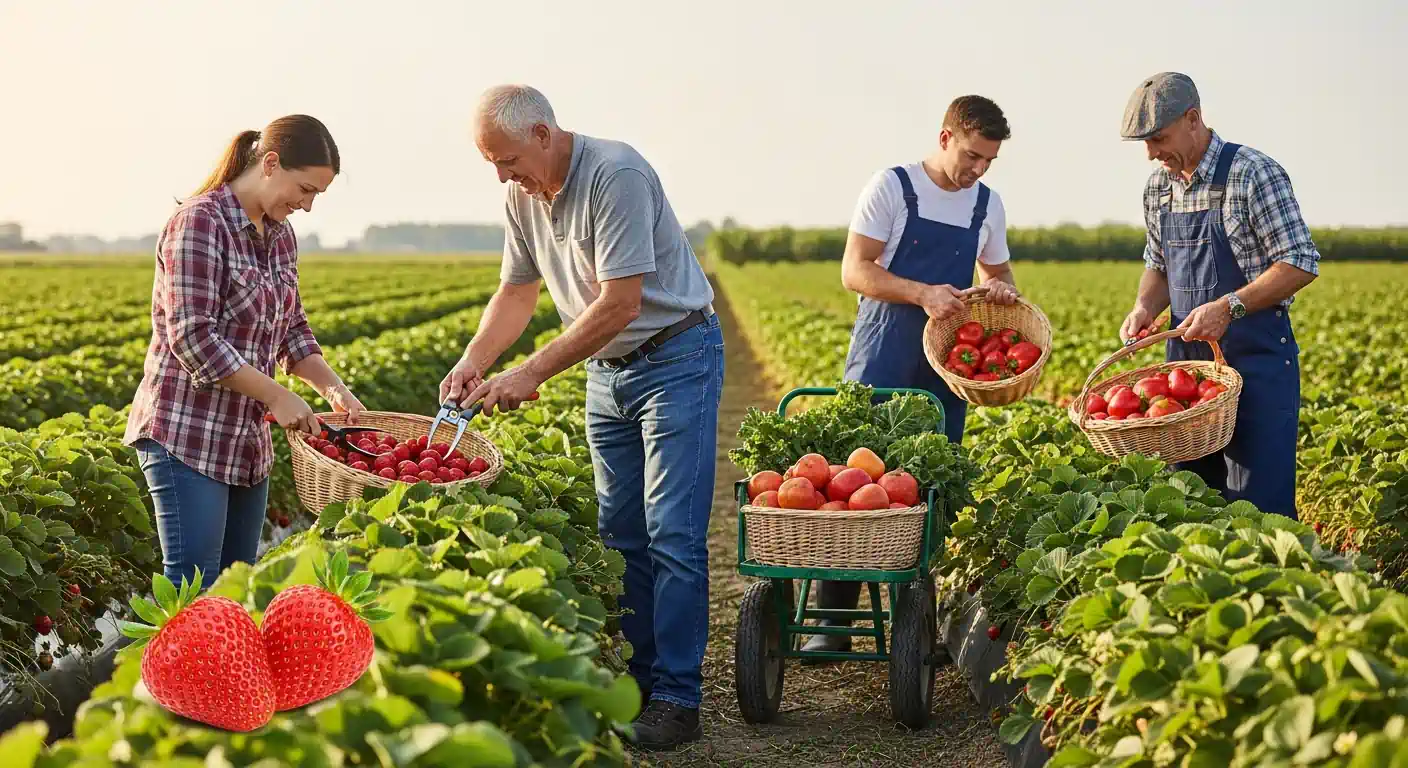
Actionable Advice for Modern Planting: From Seed to Harvest Success
Embarking on a journey of modern planting can be incredibly rewarding, transforming a simple seed into a bountiful harvest. This guide provides actionable advice, designed to equip both novice and experienced growers with the knowledge and techniques needed for success. We'll navigate the entire lifecycle, from the crucial initial steps of seed selection and germination to advanced care strategies and ultimately, a triumphant harvest. Our focus is on practical, evidence-based methods that leverage contemporary understanding of plant science and sustainable practices.
Key Points for Modern Planting Success:
- Strategic Seed Selection: Choose varieties suited to your climate and goals.
- Optimized Germination: Create ideal conditions for strong seedling starts.
- Smart Watering: Implement efficient and precise irrigation techniques.
- Nutrient Management: Provide balanced nutrition for robust growth.
- Integrated Pest Management: Proactive and eco-friendly pest control.
Laying the Foundation: Seed Selection and Germination for Modern Planting
The journey to harvest success begins long before a sprout emerges. Strategic seed selection and optimized germination are fundamental pillars of modern planting. Choosing the right seeds means considering your local climate, available space, desired yield, and resistance to common pests and diseases. Heirloom varieties offer unique flavors and genetic diversity, while hybrid seeds often provide enhanced vigor and uniformity. Always source seeds from reputable suppliers to ensure quality and viability.
Once selected, proper germination is paramount. Seeds require specific conditions to awaken: warmth, moisture, and sometimes light or darkness. Using seed-starting trays with a sterile, well-draining mix prevents damping-off disease and gives seedlings a clean start. Maintaining consistent soil temperature, often with a heat mat, can significantly improve germination rates and speed. For more detailed insights into various seed types and their specific needs, readers can explore related articles on advanced seed starting techniques.
Optimizing Your Modern Planting Environment
Creating an ideal growing environment is crucial for robust plant development. This involves understanding and controlling key factors like light, temperature, humidity, and air circulation. For indoor modern planting setups, full-spectrum LED grow lights are highly efficient and customizable, allowing growers to mimic natural sunlight cycles and intensity. Proper light duration is essential; most fruiting plants require 12-16 hours of light daily.
Temperature control is equally vital. Most plants thrive within a specific range, typically between 65-75°F (18-24°C) during the day and slightly cooler at night. High humidity can encourage fungal diseases, while excessively dry air can stress plants. Good air circulation, achieved with oscillating fans, strengthens stems and helps prevent pathogen buildup. A 2024 report by "Urban AgriTech Innovations" highlighted that optimized environmental controls can increase yields by up to 30% in controlled environments.
Advanced Watering Techniques for Modern Gardens
Watering is perhaps the most critical aspect of modern planting, and precision is key. Overwatering can lead to root rot, while underwatering causes stress and stunted growth. The "Watering Techniques" category offers extensive resources, but here we focus on advanced, efficient methods. Drip irrigation systems deliver water directly to the plant roots, minimizing evaporation and runoff, making them incredibly water-efficient. Smart irrigation controllers, often integrated with weather data or soil moisture sensors, can automate watering schedules, ensuring plants receive exactly what they need, when they need it.
Another effective method is bottom watering, where plants absorb water from a tray below, encouraging deeper root growth. For container gardens, understanding the specific water requirements of each plant is crucial. A good rule of thumb is to water thoroughly until excess drains from the bottom, then allow the top inch or two of soil to dry out before watering again. From my experience, implementing a timed drip system drastically reduces daily maintenance and ensures consistent moisture levels, which is vital for sensitive crops.
Nutrient Management and Soil Health for Harvest Success
Beyond water, plants require a balanced array of nutrients for healthy growth and harvest success. Modern planting emphasizes understanding soil composition and providing targeted nutrition. Soil testing is a valuable tool to determine existing nutrient levels and pH, guiding your fertilization strategy. Organic matter plays a pivotal role in soil health, improving structure, water retention, and nutrient availability. Incorporating compost or well-rotted manure enriches the soil microbiome.
For container gardening or hydroponic systems, liquid fertilizers provide readily available nutrients. It's important to follow dilution instructions carefully to avoid nutrient burn. Macronutrients (Nitrogen, Phosphorus, Potassium) are needed in larger quantities, while micronutrients (Iron, Zinc, Manganese, etc.) are equally vital, though required in smaller amounts. A 2023 study published in the "Journal of Sustainable Agriculture" demonstrated that balanced nutrient application, tailored to specific crop needs, can significantly enhance both yield and nutritional content of produce. For more information on specific nutrient deficiencies and their remedies, readers can explore articles on plant nutrition.
Integrated Pest and Disease Management in Modern Planting
Protecting your plants from pests and diseases is an ongoing challenge in modern planting. An integrated pest management (IPM) approach combines various strategies to minimize harm to the environment while effectively controlling issues. This starts with prevention: choosing disease-resistant varieties, practicing good garden hygiene (removing plant debris), and ensuring proper spacing for air circulation. Regularly inspecting your plants allows for early detection of problems.
Should pests appear, non-chemical methods are the first line of defense. Hand-picking larger pests, using insecticidal soaps or neem oil, and introducing beneficial insects (like ladybugs for aphids) are effective biological controls. For fungal diseases, ensuring good air circulation and avoiding overhead watering can prevent many issues. In cases of severe infestation, targeted organic pesticides may be considered, always following label instructions. The "Global Horticulture Forum 2025" emphasized the growing trend towards biological controls and precision application in commercial and home gardening.
Harvesting and Post-Harvest Care for Maximum Yield
The culmination of your modern planting efforts is the harvest. Knowing when and how to harvest is crucial for maximizing yield and quality. Different plants have different indicators of ripeness – color change, size, firmness, or ease of detachment. Harvesting at the peak of ripeness ensures the best flavor and nutritional value. For many crops, regular harvesting encourages further production. For example, picking beans or zucchini frequently signals the plant to produce more.
Post-harvest care extends the freshness and usability of your produce. Proper cleaning removes soil and debris, while appropriate storage conditions (refrigeration, cool dark places, or drying) prevent spoilage. Understanding the storage needs of each crop can significantly reduce food waste. For instance, leafy greens benefit from being washed and stored in airtight containers in the fridge, while tomatoes prefer room temperature. This final stage is just as important as the initial planting for overall harvest success.
FAQ Section
Q: What are the best beginner-friendly plants for modern planting? A: For beginners, easy-to-grow plants include leafy greens like lettuce and spinach, herbs such as basil and mint, and vegetables like radishes and bush beans. These varieties generally have shorter growing cycles, are less prone to common issues, and provide quick rewards, building confidence for more challenging crops. They also adapt well to various modern planting setups, from containers to raised beds.
Q: How can I make my modern planting more sustainable? A: To enhance sustainability, focus on water conservation through drip irrigation or rainwater harvesting. Incorporate organic matter into your soil to reduce the need for synthetic fertilizers. Practice companion planting to naturally deter pests and attract beneficial insects. Additionally, choose native plant varieties where possible, and compost kitchen scraps to enrich your garden.
Q: What role does technology play in modern planting for home gardeners? A: Technology offers significant advantages for home gardeners. Smart irrigation systems automate watering based on real-time data, while soil sensors monitor moisture and nutrient levels. LED grow lights provide optimized light spectrums for indoor growing. Mobile apps can help track plant growth, identify pests, and provide tailored care advice, making gardening more efficient and accessible.
Q: When is the best time to start seeds indoors for modern planting? A: The best time to start seeds indoors depends on your local climate and the specific plant's requirements. Generally, most vegetables and flowers are started 6-8 weeks before the last expected frost date in your region. This allows seedlings to grow to a robust size, ready for transplanting outdoors when conditions are favorable, giving them a head start on the growing season.
Conclusion: Cultivating Your Modern Planting Journey
Achieving harvest success through modern planting is an attainable goal with the right knowledge and consistent effort. From the careful selection of seeds and nurturing young sprouts to implementing advanced watering techniques and proactive pest management, every step contributes to a thriving garden. By embracing these actionable insights, you're not just growing plants; you're cultivating a deeper connection with nature and enjoying the freshest produce possible.
We encourage you to share your own modern planting experiences and tips in the comments below. Your insights can help fellow gardeners on their journey! For continued learning, explore our extensive library of articles on topics like advanced hydroponics, vertical gardening solutions, and seasonal plant care guides. Remember, every season offers new opportunities for growth and discovery in your modern garden.
Structured Data Suggestions:
- Article Schema: For the main content.
- FAQPage Schema: For the FAQ section.
- HowTo Schema: Could be applied to specific sections like "Optimizing Your Modern Planting Environment" or "Advanced Watering Techniques" if broken down into steps.
Information Timeliness and Update Frequency Recommendations: This article provides foundational advice that remains relevant. However, given the rapid advancements in agricultural technology and sustainable practices, it is recommended to review and update this content annually, specifically focusing on new research in seed genetics, smart irrigation systems, and organic pest control methods.
Expandable Related Subtopics for Future Updates:
- Hydroponics and Aeroponics for Home Gardeners: Detailed guides on setting up and maintaining soilless systems.
- Vertical Gardening Solutions: Exploring various vertical garden designs and plant selections for small spaces.
- Integrating AI and IoT in Home Gardening: A look at smart sensors, automated systems, and data-driven plant care.